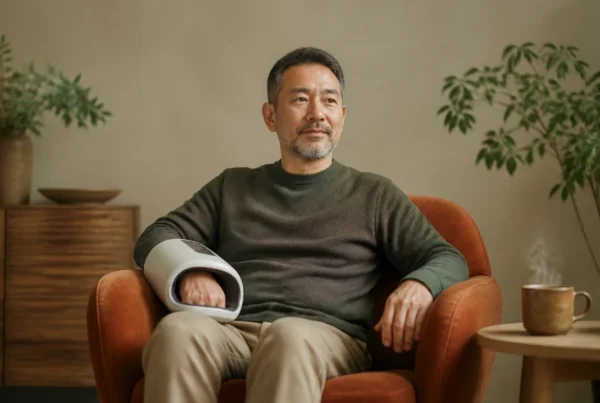
In Secaucus, NJ, a variety of nonsurgical spine treatments are available, each offering distinct benefits for addressing back pain and enhancing spinal health. Techniques such as physical therapy focus on strengthening core muscles and correcting posture, while chiropractic care aims to realign the spine. Acupuncture provides pain relief through precise stimulation. Meanwhile, massage therapy promotes muscle relaxation and improved circulation. These options present evidence-based, holistic approaches to improving mobility and quality of life.
Understanding the Causes of Back Pain
Back pain, a prevalent condition affecting millions worldwide, often stems from a myriad of underlying causes that can be broadly categorized into mechanical, degenerative, and systemic origins. Chronic conditions such as arthritis or osteoporosis contribute considerably to degenerative changes in spinal structures, altering biomechanics and leading to persistent discomfort. Mechanical causes frequently involve musculoskeletal imbalances or injuries, exacerbated by lifestyle factors like poor posture and sedentary behavior, which increase susceptibility to strain. Systemic origins, albeit less common, include inflammatory diseases and infections that may manifest as back pain. Evidence-based studies indicate that these factors act synergistically, with lifestyle choices potentially accelerating degenerative processes. Understanding these complex interactions is essential for tailoring effective, nonsurgical treatment strategies and optimizing spine health outcomes.
Physical Therapy Techniques for Spine Health
Physical therapy techniques for spine health frequently incorporate core strengthening exercises, which are vital for enhancing spinal stability and reducing the risk of injury. Evidence suggests that targeted exercises focusing on the transverse abdominis and multifidus muscles can greatly improve functional capacity and alleviate chronic back pain. Additionally, posture correction techniques are essential, as maintaining ideal spinal alignment is important for minimizing biomechanical stress and preventing degenerative changes.
Core Strengthening Exercises
A significant component of nonsurgical spine treatment involves core strengthening exercises, which are integral to enhancing spine health and stability. Core stability is essential for maintaining proper alignment and reducing the risk of injury. In Secaucus, NJ, physical therapists often develop personalized exercise routines that target the deep muscles supporting the spine, including the transverse abdominis, multifidus, and pelvic floor muscles. Research indicates that these exercises can enhance neuromuscular control and mitigate lower back pain. Common exercises include planks, bridges, and controlled leg raises, focusing on endurance and coordination rather than sheer strength. Evidence-based approaches suggest these targeted routines improve functional outcomes and quality of life, making them a fundamental component of thorough spine health management strategies.
Posture Correction Techniques
How can posture correction techniques contribute to spine health? Evidence indicates that proper posture alignment reduces strain on the spine, mitigating chronic discomfort and preventing degenerative conditions. Ergonomic adjustments in daily activities, such as optimizing chair height or monitor placement, play an essential role in maintaining spinal alignment. These modifications guarantee that the spine is subjected to minimal stress during prolonged periods of sitting or standing. Additionally, integrating specific breathing techniques can enhance postural stability. Proper diaphragmatic breathing activates core muscles, offering additional support to the spine. Studies suggest that combining these approaches not only alleviates back pain but also enhances overall posture. Such techniques are integral components of physical therapy regimens aimed at promoting long-term spine health.
The Role of Chiropractic Care in Pain Relief
When considering the diverse landscape of pain relief methods, chiropractic care emerges as a significant non-invasive intervention for spine-related discomfort. This approach focuses on chiropractic adjustments, which involve precise manipulations of the spine to enhance joint function and alleviate pain. Research indicates that these adjustments can contribute to effective pain management, particularly for conditions like lower back pain and neck discomfort. A spine doctor in Secaucus, NJ can restore spinal alignment, which may reduce nerve irritation and improve mobility. Evidence suggests that regular adjustments can lead to significant reductions in pain intensity and frequency, enhancing overall quality of life. This method is supported by clinical studies that emphasize its role in decreasing dependency on pain medication, hence providing a safer, holistic option for patients in Secaucus, NJ.
Acupuncture as an Alternative Treatment
Acupuncture has emerged as a viable alternative treatment for spine-related pain, with evidence suggesting its efficacy in reducing discomfort and improving function. Various techniques, such as needle insertion at specific meridian points, are employed to stimulate the body’s natural analgesic and anti-inflammatory responses. For ideal outcomes, it is essential to select a practitioner with proper certification and experience in acupuncture, ensuring adherence to established safety and hygiene protocols.
Benefits of Acupuncture
Although often considered an alternative treatment, acupuncture offers a range of benefits supported by scientific research, particularly in the domain of nonsurgical spine care. Acupuncture benefits are particularly evident in pain management, where it has been shown to reduce chronic back pain by promoting endorphin release and improving blood circulation. Randomized controlled trials have demonstrated acupuncture’s efficacy in lowering pain intensity and enhancing functional mobility. By targeting specific acupoints, acupuncture can modulate neural pathways and provide analgesic effects without the adverse side effects associated with pharmacological interventions. In spinal health, acupuncture aids in reducing inflammation and muscle tension, facilitating a more thorough approach to spine treatment. As a result, acupuncture serves as a viable adjunct to conventional nonsurgical spine therapies.
Acupuncture Techniques Explained
How do acupuncture techniques distinguish themselves within the domain of alternative treatments? Acupuncture employs the strategic insertion of fine needles into specific meridian pathways that traverse the body. These meridian pathways are believed to facilitate the flow of qi, or essential energy, and their stimulation is linked to various therapeutic outcomes. Evidence suggests that acupuncture needle techniques, involving varying depths, angles, and twirling motions, modulate neurochemical activity and trigger endogenous pain-relieving mechanisms. Studies have demonstrated that such techniques can influence the central nervous system, promoting the release of endorphins and modulating the inflammatory response. The precision required in needle placement is paramount, as it guarantees targeted engagement with specific acupoints, potentially optimizing the treatment efficacy for spine-related ailments.
Choosing a Qualified Practitioner
When selecting a qualified practitioner for acupuncture as an alternative treatment, what critical factors should be considered? First, credentials verification is essential to guarantee that the practitioner holds appropriate licensure and certifications. In the United States, acupuncturists must be certified by the National Certification Commission for Acupuncture and Oriental Medicine (NCCAOM). This ensures adherence to professional standards. Second, patient testimonials can provide insights into the practitioner’s expertise and patient satisfaction levels. Reviews should be sourced from reliable platforms to guarantee authenticity. Additionally, practitioners should have a proven track record in treating spine-related conditions. Evidence-based practices, such as randomized controlled trials, support acupuncture’s effectiveness for spinal issues, reinforcing the necessity of selecting a practitioner who employs validated techniques. Thorough evaluation of these factors enhances treatment outcomes.
Benefits of Massage Therapy for Back Pain
Why is massage therapy gaining recognition as a viable treatment for back pain? Massage therapy is increasingly acknowledged due to its multifaceted benefits overview, which includes reduction in muscle tension, improved circulation, and enhanced endorphin release. These physiological responses collectively contribute to alleviating discomfort associated with back pain. Scientific studies indicate that specific massage techniques, such as Swedish massage and deep tissue massage, effectively target muscle fibers and connective tissues, promoting relaxation and pain relief. Additionally, evidence suggests that regular massage therapy sessions can lead to long-term improvements in mobility and pain management. The efficacy of massage therapy is attributed to its ability to address both physical and psychological aspects of pain, providing a holistic approach to back pain management.
Exploring Spinal Decompression Therapy
Spinal decompression therapy, a non-invasive treatment designed to relieve pressure on the spinal discs, has garnered attention for its potential in alleviating back pain. This technique involves the mechanical stretching of the spine using a specialized table or device, which aims to create negative pressure within the disc. This negative pressure can promote the retraction of herniated or bulging discs, potentially reducing nerve compression and enhancing nutrient exchange. Evidence supports the therapy benefits of spinal decompression, showing improvements in pain levels and functional status in patients with conditions such as herniated discs, degenerative disc disease, and sciatica. Clinical studies highlight a notable reduction in pain for many patients, suggesting spinal decompression as a viable option for those seeking nonsurgical solutions in Secaucus, NJ.
The Use of Anti-Inflammatory Medications
While exploring nonsurgical interventions for managing spinal conditions, the use of anti-inflammatory medications emerges as a cornerstone in reducing pain and swelling. These medications, encompassing nonsteroidal anti-inflammatory drugs (NSAIDs) such as ibuprofen and naproxen, function by inhibiting cyclooxygenase enzymes, thereby curtailing prostaglandin synthesis, which is pivotal in inflammation. Clinical evidence supports their efficacy in alleviating symptoms associated with conditions like sciatica and lumbar disc herniation.
However, patients must be informed about potential medication side effects, including gastrointestinal issues, cardiovascular risks, and renal impairment, particularly with long-term use. Additionally, selecting the appropriate anti-inflammatory options should consider individual patient profiles, including existing comorbidities and concurrent medications, to optimize therapeutic outcomes while minimizing adverse effects.
Incorporating Yoga and Pilates for Spine Support
Beyond pharmacological interventions, incorporating physical activities such as yoga and Pilates offers a complementary approach to spine support and rehabilitation. Yoga benefits include enhancing flexibility, core strength, and postural alignment—critical factors in spinal health. Research indicates that specific yoga poses can alleviate back pain and improve function. Similarly, Pilates techniques emphasize core stabilization, breathing control, and balanced muscle development. These techniques focus on precise movements and controlled breathing, which are integral in strengthening the musculature supporting the spine. Clinical studies suggest that Pilates can reduce chronic back pain and enhance postural control. Combining yoga and Pilates can provide a holistic framework for those seeking noninvasive spine support, potentially reducing reliance on pharmacological treatments while promoting long-term musculoskeletal health.
Lifestyle Modifications to Prevent Future Pain
Implementing lifestyle modifications is essential for preventing future pain and maintaining spinal health. Ergonomic adjustments in daily settings, such as optimizing chair height and screen positioning, are critical in mitigating spinal strain. Evidence indicates that poor ergonomics can exacerbate spinal issues by promoting improper posture. By incorporating ergonomic furniture and tools, individuals can maintain neutral spinal alignment, reducing stress on intervertebral discs. Additionally, daily stretching routines are fundamental in enhancing flexibility and muscle strength around the spine. Studies demonstrate that targeted stretching exercises can alleviate tension in the lumbar region and improve range of motion, subsequently reducing the incidence of pain. Consistent adherence to these modifications can create a sustainable environment for spinal health, minimizing the risk of future discomfort.
Frequently Asked Questions
Are Nonsurgical Spine Treatments Covered by Insurance in Secaucus, NJ?
Insurance coverage for nonsurgical spine treatments depends on individual policies and providers. Treatment costs can vary considerably. Patients should verify with their insurers about specific coverage details and potential out-of-pocket expenses for services offered in Secaucus, NJ.
How Long Does It Typically Take to See Results From Nonsurgical Treatments?
The treatment timeline for nonsurgical spine interventions varies, often ranging from several weeks to months. Patient experiences indicate that noticeable improvements typically emerge after a few sessions, contingent on factors like treatment modality, severity, and individual health conditions.
What Qualifications Should I Look for in a Spine Specialist in Secaucus?
When evaluating a spine specialist, credentials verification is vital; guarantee board certification and state licensure. Specialist experience, particularly years of practice in spine care and familiarity with the latest nonsurgical techniques, is critical for informed treatment decisions.
Are There Any Age Restrictions for Nonsurgical Spine Treatments?
Age limitations for nonsurgical spine treatments generally depend on the specific method and individual patient health. Treatment eligibility is determined by factors such as medical history, spine condition severity, and potential risks, rather than chronological age alone.
Can Nonsurgical Treatments Be Combined for Better Results?
Current research indicates treatment synergy can be achieved through combined therapies, enhancing efficacy in nonsurgical spine care. Evidence-based studies support integrating physical therapy, chiropractic care, and acupuncture to optimize patient outcomes through multifaceted, complementary approaches.
- About the Author
- Latest Posts

Our Editorial Team are writers and experts in their field. Their views and opinions may not always be the views of Wellbeing Magazine. If you are under the direction of medical supervision please speak to your doctor or therapist before following the advice and recommendations in these articles.