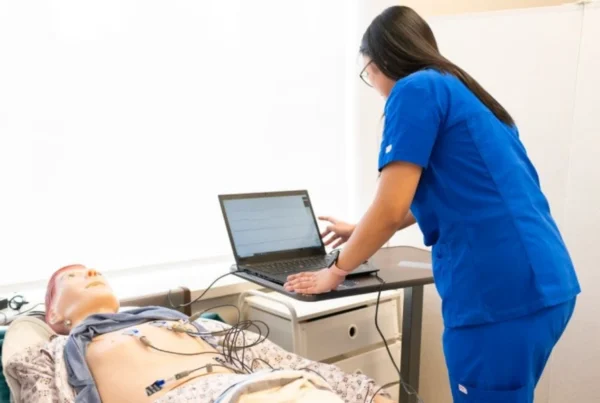
Wound care is a key part of hospice nursing, which involves keeping the patient comfortable and promoting dignity in dying. In fact, a recent survey in the Journal of Wound Care stated that as many as 34% of hospice patient care involves pressure injuries, which makes wound care all the more important. The wounds could be as basic as a pressure ulcer or as advanced as a malignant wound, and they all require precise, specialized care befitting each patient. This article is a primer for hospice nurses on everything they should know on issues of wound care training, clinical responsibility, and how to advocate for better patient outcome during the last stage of life.
What is Wound Care Training for Hospice Nurses?
This training helps nurses learn how to care for serious wounds in patients who are at the end of life. The goal is to treat the wound, ease the pain, and make the patient as comfortable as possible.
Key Parts of the Training:
- Checking the Wound: Nurses learn how to look at wounds and understand what kind they are and how serious they are.
- Handling Pain: They learn ways to help patients feel less pain when their bandages are changed.
- Stopping Infections: Nurses are taught how to keep wounds clean so they don’t get infected.
- Talking with Families: They also learn how to explain things to the patient’s family and show them how to help with care.
Is Wound Care Training Mandatory for Hospice Nurses?
Although there is no requirement for federal or state hospice regulation certification in most states, hospice agencies usually require specialized training for nurses so that they can manage complicated wounds and provide quality palliative care. Key Points:
- Federal Laws: No specific requirement for certification, but there must be competency.
- Employer Policies: A lot of agencies require or prefer documented wound care training.
- Medicare Hospice Conditions of Participation: Mandate that personnel are adequately trained and qualified for tasks assigned, including wound care.
Benefits of Wound Care Training in Hospice Care
Specialized wound care education enhances patient outcomes, increases nurse confidence, and ensures palliative care goal alignment by emphasizing patient comfort, infection prevention, and emotional support in hospice environments. Key Benefits:
- Enhanced Patient Comfort: Effective wound care greatly diminishes the pain and emotional suffering of a patient, facilitating overall comfort in end-of-life care. This serves to maintain dignity and ensure improved quality of life.
- Professional Enhancement: Wound care training improves clinical competence, increases confidence of nurses in handling complex cases, and offers career development opportunities within the specialized field of palliative and hospice care.
- Improved Care Standards: Training guarantees that wound care interventions are in line with up-to-date palliative care standards and evidence-based practice, which equates to more secure, effective patient care procedures.
- Improved Family Support: Trained hospice nurses are able to teach and support families in understanding wound care interventions, relieving their stress levels, and enhancing the level of participation in home care, which indirectly serves the patient’s general well-being.
- Decreased Complications: Nurses can successfully reduce the incidence of infections, pressure ulcers, and other wound complications that are most prevalent among hospice patients with the knowledge of proper wound care.
- Improved Healing Times: Following effective wound care guidelines facilitates the healing or stabilization of wounds more effectively, which directly enhances patient comfort and minimizes the risk of further decline.
- Enhanced Risk Assessment Competence: Training enables nurses to proactively recognize risk factors and initiate preventive interventions to prevent wound development, promoting improved patient safety as a whole.
- Increased Staff Satisfaction and Reduced Turnover: Ongoing availability of professional training ensures job satisfaction for hospice nurses, lowers staff turnover rates, and promotes care continuity in patients.
- Improved Documentation and Compliance: Proper documentation is paramount in hospice care. Wound care education prepares nurses with the ability to keep accurate records, enhancing regulatory compliance and improving interdisciplinary communication.
How Hospice Nurses Can Access Wound Care Training
Hospice nurses can undertake different avenues of wound care education in the form of online modules, certification training, or employee-funded workshops in order to remain current with advancements in wound care techniques. Avenues Include:
- National Alliance of Wound Care and Ostomy (NAWCO)
- Training modules focused on hospice
- Seminars and workshops hosted by wound care organizations
- Employer-sponsored competency training programs
Conclusion
Wound care is a key task in hospice care, which influences a patient’s quality of life in those last days. While formal wound care certification is not a requirement for hospice nurses, extensive training is important for symptom management, comfort care, and family education. With an increasing number of hospice patients requiring advanced wound care, nurses need to have specialized and up-to-date skills. Committing to wound care training will provide a better clinical outcome and reinforce a hospice nurse’s job as a provider of compassionate, high-quality end-of-life care.
- About the Author
- Latest Posts

Our Editorial Team are writers and experts in their field. Their views and opinions may not always be the views of Wellbeing Magazine. If you are under the direction of medical supervision please speak to your doctor or therapist before following the advice and recommendations in these articles.