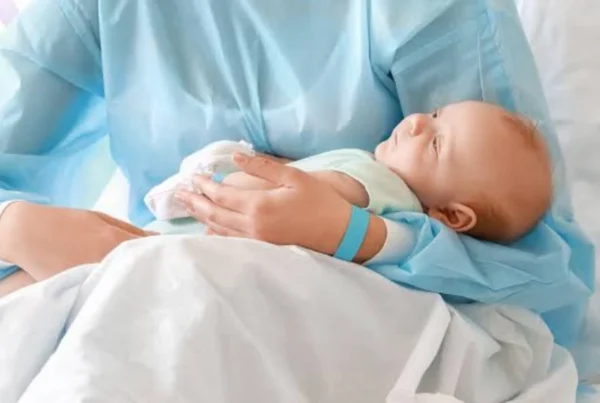
In a world where health and wellness are increasingly prioritized, it’s surprising how often the emotional toll of medical procedures is overlooked. For many individuals—whether children, adults, or those with special needs—visiting the dentist or undergoing even minor treatments can trigger intense anxiety. Fortunately, solutions are evolving to meet these emotional challenges head-on. One such advancement is the rise of mobile sedation services, such as https://www.nightlight-anesthesia.com/, which bring calming, professional care directly to patients in need, offering peace of mind alongside medical support.
The Connection between Wellness and Procedural Anxiety
Wellness is not only associated with physical condition or healthy eating, but is a comprehensive term that encompasses mental well-being, emotional stability, and a sense of security in everyday life situations. However, medical anxiety is one of the greatest obstacles on the way to many people to their real wellness. The traumas of the past, the fear of needles, and sensory sensitivities, as well as the fear of being treated in general, make some people avoid the required treatment because it is just too overwhelming to experience.
Such shunning has long-term consequences. Untreated oral diseases can cause infections and persistent pain; failure to conduct medical procedures in a timely manner can lead to the deterioration of these conditions. However, more than that, there is the emotional toll of fear and stress, which patients cannot feel in control of their health process. It is here that the conscious sedation becomes a constituent of contemporary wellness care.
Mobile Sedation Role in Patient-Centered Wellness
Sedation is no longer confined to operating rooms or hospitals. Due to the development of mobile sedation services, people can now receive care in a location that is familiar and comfortable to them, often at home or in their usual dental practice. Such services offer professional supervision of IV sedation or other types of anesthesia, allowing patients to become relaxed while remaining aware of their surroundings. The middle ground is particularly helpful to those who desire to be responsive and not fearful and uncomfortable.
What is more important, the given sedation options are provided in the framework of the empathetic approach. The teams, such as NightLight Anesthesia, collaborate closely with the providers and families to make the whole process, including assessment and recovery, calm, safe, and supportive. This integrated way of doing things makes the whole experience different, and instead of it being a moment of dread it becomes a moment of empowerment.
With the inclusion of sedation in a comprehensive wellness plan, patients can regain control over the decisions they make regarding their health. The result? Fewer cancellations, improved long-term results, and a more humane level of care that recognizes emotional needs as well as physical.
Care of the Vulnerable Groups
Children, persons with developmental disability, and adults with traumatic experiences usually encounter more obstacles regarding medical care. Standard ways might lack the patience, time, or individualization required by these patients. Mobile sedation offers a unique experience, one based on trust and serenity rather than urgency and fear.
This can be particularly effective for parents who are trying to manage their children’s healthcare. They no longer have to invest their efforts to plan the meltdown or go through the resistance caused by fear, but they can feel confident that their child is under treatment in a secure environment with less stress. Such comfort is not only beneficial to the child’s well-being but also to the emotional well-being of the entire family.
A Move to Preventive, Comfortable Care
Mindfulness, integrative treatment, and alternative treatments have found their way into the broader wellness movement. Patient-centered and mobile sedation services are well-suited to this evolving environment. They support the message that medical care must be individualized not only in diagnosis and treatment, but also in care delivery and reception.
We would not want to place an individual with severe anxiety in a high-stress job, and we should likewise not make fearful patients just harden it out in the conventional medical practice. Conscious sedation respects the entire range of patient expectations and enables anxious patients to participate in preventive care before minor issues can turn into significant ones.
Conclusion
Wellness is not only about food or physical activity; it is about ensuring that the environment is made favorable so that individuals can access care without fear. The medical experience of many people is being transformed through the use of sedation services, particularly those provided by mobile companies such as https://www.nightlight-anesthesia.com/. They are transforming everyday procedures into moments of healing, trust, and future wellbeing, by alleviating anxiety and facilitating care. The future of wellness has no room left to be comfortable and compassionate; it has to be a must.
Photo by Kaylee Garrett on Unsplash
- About the Author
- Latest Posts

Our Editorial Team are writers and experts in their field. Their views and opinions may not always be the views of Wellbeing Magazine. If you are under the direction of medical supervision please speak to your doctor or therapist before following the advice and recommendations in these articles.