Maintaining a healthy scalp is often overlooked in the conversation about hair loss. Many individuals grapple with the emotional and physical impacts of thinning hair, yet few recognize the profound connection between scalp health and hair prolapse.
Understanding this relationship is important in addressing and treating hair loss effectively. This article explores the various aspects of scalp health, its implications on hair loss, and actionable strategies to improve both scalp and hair conditions.
The Link Between Scalp Health and Hair Loss
Scalp health plays a significant role in the overall condition of hair follicles. When the scalp is healthy, follicles can thrive, allowing hair to grow strong and full. Conversely, poor scalp health can lead to an array of issues, ranging from inflammation to excessive oil production, each affecting the vitality of hair. High levels of sebum, combined with dead skin cells, can clog hair follicles, hindering growth and leading to eventual hair loss. Scientific studies have shown that a well-maintained scalp prevents such follicular blockages, significantly improving hair density.
Often overlooked, the psychosocial impact of hair loss contributes to broader mental health issues. The fallout of hair loss for streamers, actors, and other public-facing figures is more than just a concern about appearance; it encompasses feelings of insecurity and reduced self-esteem. Addressing scalp health can mitigate some of these effects, offering a dual benefit. When individuals take steps to ensure a healthy scalp, they potentially lower their risk of hair loss while enhancing their mental well-being.
Common Scalp Conditions That Contribute to Hair Loss
Several scalp conditions can lead to hair loss, necessitating attention and treatment. Conditions like dandruff, psoriasis, and seborrheic dermatitis cause itching and discomfort and irritate hair follicles, impeding healthy growth. Dandruff, often caused by an overgrowth of the
Malassezia yeast can lead to inflammation and a weakened hair structure. Individuals experiencing persistent dandruff should take into consideration treatment options like medicated shampoos or specialized scalp treatments. Another common issue is scalp psoriasis, an autoimmune condition that produces scaly patches and can severely impact hair follicles.
It is critical to seek medical advice for appropriate topical treatments or systemic therapies. Excessive oiliness, often overlooked, can create an environment ripe for fungal infections, further complicating scalp health. Proper cleansing routines can help restore balance.
Diagnosing Scalp Health Issues
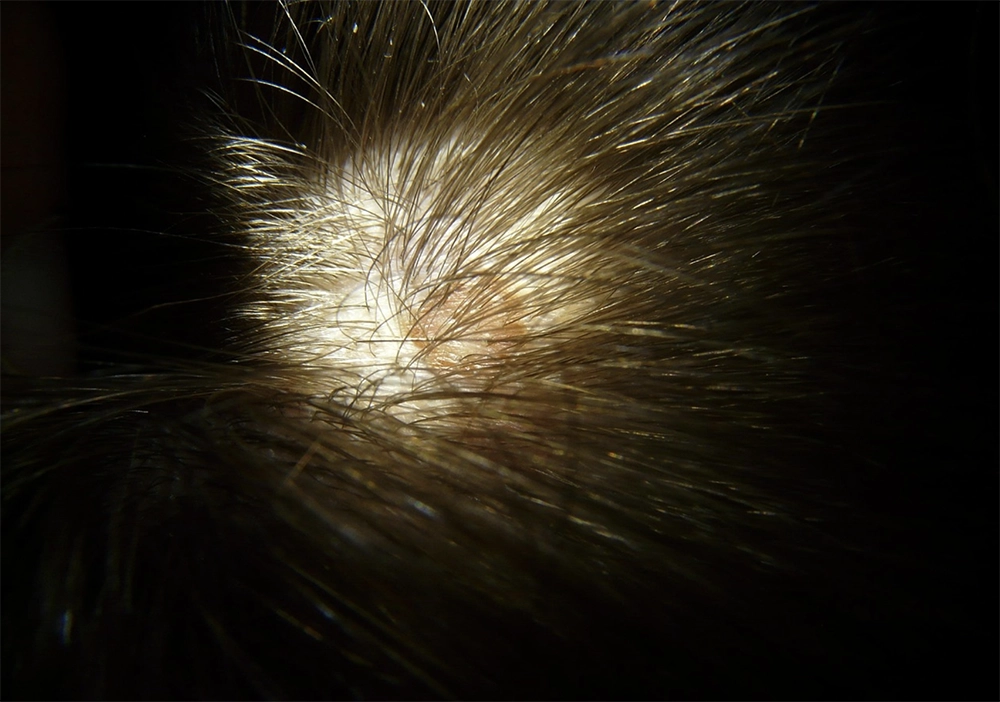
Effectively diagnosing scalp conditions is key to developing a targeted approach to treatment. Dermatologists often utilize various methods, including visual examinations and skin scrapings, to identify underlying issues affecting the scalp and hair. Some dermatologists may recommend trichoscopy, a non-invasive tool that uses a special microscope to assess the scalp and hair follicles closely.
This approach can uncover changes in hair density, follicle morphology, and any signs of inflammation. Medical professionals may perform blood tests to evaluate hormone levels or nutrient deficiencies that could impact scalp and hair health. For those noticing significant changes in hair density or experiencing chronic scalp problems, seeking a professional diagnosis becomes important for information-driven treatment paths. Knowledge and early detection are key components in managing hair loss effectively.
Scalp biopsies may be conducted in complex cases to obtain detailed information on scalp tissue. Identifying scalp infections, such as fungal or bacterial causes, is vital to prevent further complications. Patients are often advised to provide a thorough medical and family history to assist in pinpointing possible hereditary factors. Lifestyle factors like stress and diet are considered during diagnosis as they can influence scalp health. Early intervention based on accurate diagnosis can lead to more successful and lasting treatment results.
Strategies to Promote Scalp Health
Maintaining scalp health involves a combination of proper hygiene, nutrition, and lifestyle choices. Regularly cleansing the scalp helps remove dirt and excessive oils, preventing blockages in the follicles. Opting for mild, sulfate-free shampoos can maintain balance while offering gentle cleansing. Scalp massages promote circulation, enhancing the delivery of oxygen and nutrients to the hair follicles.
Beyond cleansing, incorporating a nutrient-rich diet can significantly bolster scalp health. Foods high in omega-3 fatty acids, such as walnuts and salmon, promote stronger hair growth. Antioxidant-rich options like berries and leafy greens combat oxidative stress, which can contribute to inflammation and hair loss.
Staying hydrated ensures the health of the body, including the scalp. Stress management is another vital aspect to think about. High stress triggers a plethora of bodily responses, including hair loss. Techniques like yoga, meditation, and regular exercise can alleviate stress and promote a healthier scalp environment.
Professional Treatments for Scalp Health
For severe scalp conditions or significant hair loss, professional treatments may be necessary. Dermatologists can prescribe topical treatments such as corticosteroids to reduce inflammation or minoxidil to reestablish hair growth. Laser hair therapy is gaining popularity as a non-invasive method to stimulate hair follicles and prevent further loss.
Scalp micropigmentation offers individuals a way to create the appearance of fuller hair. This cosmetic tattooing technique provides a shaved effect that can conceal hair loss, providing a confidence boost for many. For some individuals, advanced treatments, including PRP (platelet-rich plasma) therapy, harness the body’s natural healing properties to promote hair regeneration by injecting enhanced growth factors into the scalp.
Preventive Measures for Long-Term Scalp Health
Preventing scalp issues before they arise is paramount for maintaining hair health. Establishing a regular scalp care routine can make a significant difference in the long run. Choosing the appropriate products based on hair type and individual scalp conditions will help maintain balance. Protecting the scalp from harsh environmental elements like sun exposure and harsh winds aids in preventing damage.
Use hats or other protective gear during extreme weather, and limiting exposure to chemical treatments can minimize the risk of irritation. A comprehensive approach that combines proper scalp care with attention to health can greatly influence long-term hair vitality. Understanding the intricacies of scalp health and its influence on hair loss empowers individuals to take proactive measures in their hair care journey.
By focusing on a healthy scalp, employing prevention strategies, and addressing existing issues with the correct treatments, it becomes feasible to combat hair loss effectively. Whether suffering from minor damage or significant hair loss, appropriate care ensures a thriving environment for hair growth and wellness.
- About the Author
- Latest Posts

Our Editorial Team are writers and experts in their field. Their views and opinions may not always be the views of Wellbeing Magazine. If you are under the direction of medical supervision please speak to your doctor or therapist before following the advice and recommendations in these articles.