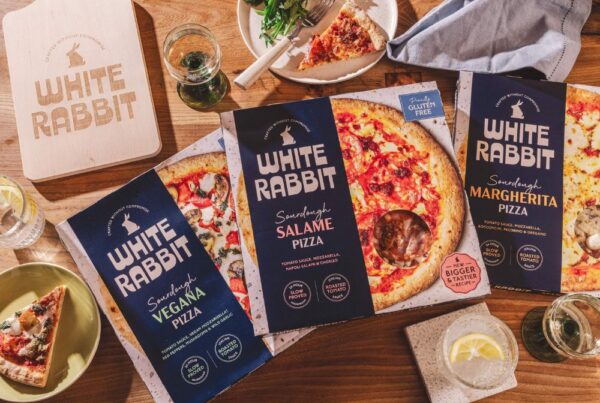
Busy days again? These can throw even the best wellness intentions off track. Meetings run late, then suddenly dinner becomes whatever’s fastest. This is why you sometimes end up with high-calorie servings of pizza or fries.
Realistic meal routine needs to feel easy enough to follow. This is especially true as the week can turn even messier than it already is. The trick isn’t about cooking every meal from scratch. It’s about setting up a rhythm where healthy food is the default, not the exception.
Work With Your Actual Schedule
Meal plans fail when they’re built for a perfect week that never happens. Look at when you actually have time to cook or even eat. If mornings are chaotic, you can always have some grab-and-go.
Reserve more involved cooking for nights when you’re usually home earlier. A couple of anchor days for prep can take the pressure off the rest.
Keep Your Options on Rotation
A fixed weekly menu sounds simple until you’re bored by week two. Rotating a handful of easy favourites keeps meals predictable enough to plan but not so repetitive you’re tempted to ditch them.
One week’s stir-fry can be swapped for grilled veg and halloumi. A chicken salad might become a grain bowl with beans the next time. Same base skills, different plate.
Break Up the Prep Work
Some people set aside an entire Sunday for batch cooking. That may work for some people. Still, that’s not the only way to prep meals. You can do it in smaller bursts with ease.
For example, you can cut fruit while you’re waiting for the pasta water to boil. You may also roast extra vegetables whenever the oven’s already on. A container of cooked grains in the fridge will let lunch build itself.
Focus on Foods That Pull Double Duty
Not every ingredient is locked into one meal. Eggs can be breakfast, salad toppers, or part of a quick fried rice. Leftover roast chicken is good in wraps or as protein in your pasta.
A gut health specialist in Melbourne will also suggest using fermented foods like kimchi or sauerkraut. They add flavour and bring in good bacteria without extra cooking time.
Shortcuts Worth Keeping on Hand
Some weeks you’ll have time to be creative. Others, not so much. Having a few standbys ready means you won’t skip meals or default to fast food when energy’s low.
- Pre-washed salad greens
- Frozen prawns, chicken strips, or edamame for quick protein.
- Canned beans and lentils for soups, salads, or wraps.
- A couple of healthy, ready-made meals
Let Variety Come From the Small Things
Too much change makes routines harder to stick with. Instead, swap out little details. Use brown rice one week and quinoa the next. Switch herbs or spices to keep familiar dishes fresh.
Even something as small as changing the dressing on a salad can keep it interesting. You’re still following your plan, just not on autopilot.
Make Convenience Work For You
Pre-packaged foods can fit into a healthy routine if they’re the right kind — and for some people, that might also include using services like halal tingkat food delivery to stay nourished on busy weeks. A jar of decent tomato sauce can save you on a late night. Pair it with wholegrain pasta and a pile of spinach, and it’s dinner in under 15 minutes.
Frozen veg is another time-saver. It’s prepped, portioned, and usually picked at peak season. Keep a couple of varieties so meals don’t feel repetitive.
Listen to How Your Body Responds
Meal plans that ignore what your body says won’t last. If a breakfast meal from the week’s plan leaves you hungry an hour later, don’t be afraid to change it. Swap it for something with more protein or fibre.
Pay attention to digestion too. Meals that sit heavily may need adjusting, especially if you’re not used to them. Some gastric issues may cause discomfort throughout the day, which may upset your digestion for the entire day. Small changes can make a big difference in how you feel daily.
Keep the Pressure Low
Perfect is not the recommended goal. Consistent is. Missing a prep day or swapping a meal is just part of life. There are times when this instance can’t be helped. What matters is that your routine still works most of the time.
Healthy eating sticks when it feels natural. Once it blends into your everyday habits, it’s no longer another task on your to-do list.
- About the Author
- Latest Posts

Our Editorial Team are writers and experts in their field. Their views and opinions may not always be the views of Wellbeing Magazine. If you are under the direction of medical supervision please speak to your doctor or therapist before following the advice and recommendations in these articles.