The way we think about taking care of ourselves is changing. What used to revolve around basic fitness routines and diet trends now includes a broader mix of modern approaches. People are turning to new techniques, tools, and trusted professionals to help them feel better in their daily routines. This includes solutions that enhance confidence, support emotional clarity, and offer long-term support, not just quick results. More individuals are also seeking places that combine a range of services under one roof, making it easier to stay consistent.
Here’s how new trends are reshaping how we manage our routines and giving us more control over the way we look and feel, without making drastic changes to our lifestyles:
Holistic Skincare Goes Mainstream
Skincare has become much more than serums and sunscreen. People now explore treatments that consider internal and external factors. Clinics and product lines are focusing on the link between stress, diet, and how the skin functions. Popular services include lymphatic facials, customized product plans, and LED light therapy. Many options use gentle, plant-based ingredients that don’t trigger irritation. Some providers also offer in-person or virtual skin assessments to tailor a plan based on personal needs. This shift has helped people move away from harsh routines and instead choose gentle practices that promote balance. What matters now is working with the skin rather than trying to force fast results that may not last.
Personalized Aesthetic Treatments
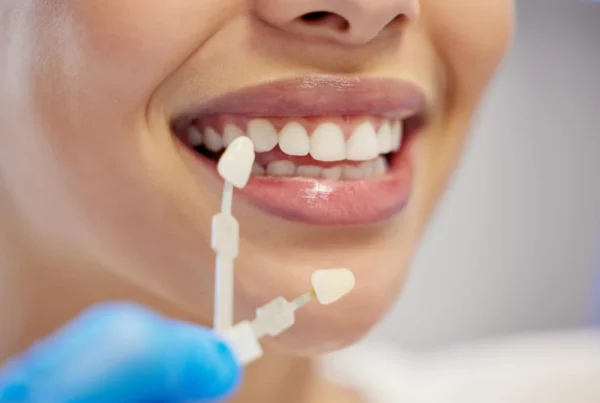
Non-surgical treatments are becoming more popular than ever. From skin resurfacing and injectables to brow lifts and jawline contouring, many clinics offer choices that match each person’s goals. A med spa can combine facial cosmetic procedures with rejuvenation services all in one location. The local team includes board-certified professionals who perform face and neck surgeries, offer skin tightening, and provide popular treatments like Botox, fillers, and laser therapies. For those looking to explore new options, a spa like this creates a one-stop experience where expert care is combined with comfort. This approach helps people choose what works for them without jumping from one place to another.
Biohacking for Everyday Life
Biohacking is no longer only for tech enthusiasts or elite athletes. It’s now part of many people’s weekly routines. Services like IV hydration, cryotherapy, red light exposure, and cold plunges help support focus, energy, and better rest. These options are often available at recovery studios or wellness lounges. Some individuals use wearable devices to track their sleep cycles or glucose levels to adjust their habits. The goal is to learn what the body needs and respond with small, measurable changes. Instead of relying only on supplements or trial-and-error, these tools give people real-time insight. This trend supports better habits by offering useful feedback, not just data for the sake of tracking.
Mental Fitness as a Priority
Taking care of emotional balance is now just as important as staying active or eating well. People are adding daily practices that help reduce stress and improve clarity. Popular options include meditation, breathwork, and nervous system support through coaching or somatic therapy. Many wellness studios offer group or individual sessions to support emotional regulation. Even simple methods like journaling or guided audio tracks are making a difference for people looking to reset during the day. These practices help with focus, sleep, and mood without requiring medication or formal therapy. The shift is clear: emotional balance is no longer something to ignore. It’s something people are learning to support every day.
Longevity-Focused Wellness Plans
Staying active and sharp over time is becoming a bigger goal than just looking younger. Longevity-focused services aim to help people function well into older age. These plans often include movement therapy, anti-aging supplements, and nutrition tailored to long-term goals. Providers may also offer hormone level tracking and biological age testing. The aim is not to reverse aging but to feel strong and clear at every stage. Some individuals work with professionals who help track changes and adjust their plans as needed. The key here is consistency and strategy, not extremes. This trend is giving people tools to make aging more manageable and less stressful with the help of ongoing support.
Integrative Nutrition Support
The focus on eating habits has shifted from short-term dieting to long-term balance. Many people now consult licensed nutritionists or coaches who use tools like blood work or gut health assessments to make tailored plans. These methods help with fatigue, digestion, and energy issues without relying on generic food charts. Personalized nutrition plans might also include supplement adjustments or meal scheduling support. The goal isn’t to follow trends, but to understand how the body reacts to specific foods. More providers now offer virtual sessions or packaged plans that include coaching and progress tracking. This trend helps people build realistic eating patterns that support daily function without cutting entire food groups.
Fitness Meets Recovery
Movement isn’t the only part of a good fitness plan; how you recover matters just as much. Many wellness lounges and gyms now include sessions for guided stretching, cryotherapy, massage therapy, and compression boots. These services help reduce soreness, improve circulation, and allow people to bounce back quicker. Athletes and casual gym-goers alike are investing time in cooldown routines that keep their joints and muscles working well. Some programs even use infrared saunas or flotation therapy to help with rest and relaxation. This approach treats recovery as part of the process, not an afterthought. It’s helping more people stay consistent with movement by lowering the risk of overuse or burnout.
What we consider modern wellness has expanded. From personalized treatments to group sessions and bio-tracking tools, today’s trends are all about making self-improvement more manageable and less overwhelming. People are choosing experiences that support how they want to live, not just how they want to look. These approaches give people more control over how they feel each day, whether that means more energy, less stress, or a greater sense of clarity. As new options continue to emerge, this growing focus on intentional, science-informed support is shaping routines that actually stick. It’s no longer about chasing results. It’s about building habits that feel good and make sense over time.
- About the Author
- Latest Posts

Our Editorial Team are writers and experts in their field. Their views and opinions may not always be the views of Wellbeing Magazine. If you are under the direction of medical supervision please speak to your doctor or therapist before following the advice and recommendations in these articles.