Why Vision Health Deserves More Attention
We tend to take our eyesight for granted until something goes wrong. Unlike a cold or sore muscle, eye problems often develop slowly and silently. You might not notice a decline until it’s already significant, or in some cases, irreversible.
That’s why being proactive about eye health matters. Keeping your vision sharp is about more than just getting glasses when things start to look blurry. It’s about forming habits that support long-term eye function and prevent avoidable damage.
Know the Common Threats to Eye Health
Understanding what can put your vision at risk is the first step in protecting it. One of the most common culprits is glaucoma, a group of eye conditions that damage the optic nerve. It often comes with few or no early symptoms, which is why regular monitoring is essential.
Devices like iCare Tonometers for Glaucoma Monitoring offer a non-invasive way to stay on top of intraocular pressure, one of the leading indicators of glaucoma. Catching changes early can help prevent long-term damage.
1. Schedule Comprehensive Eye Exams
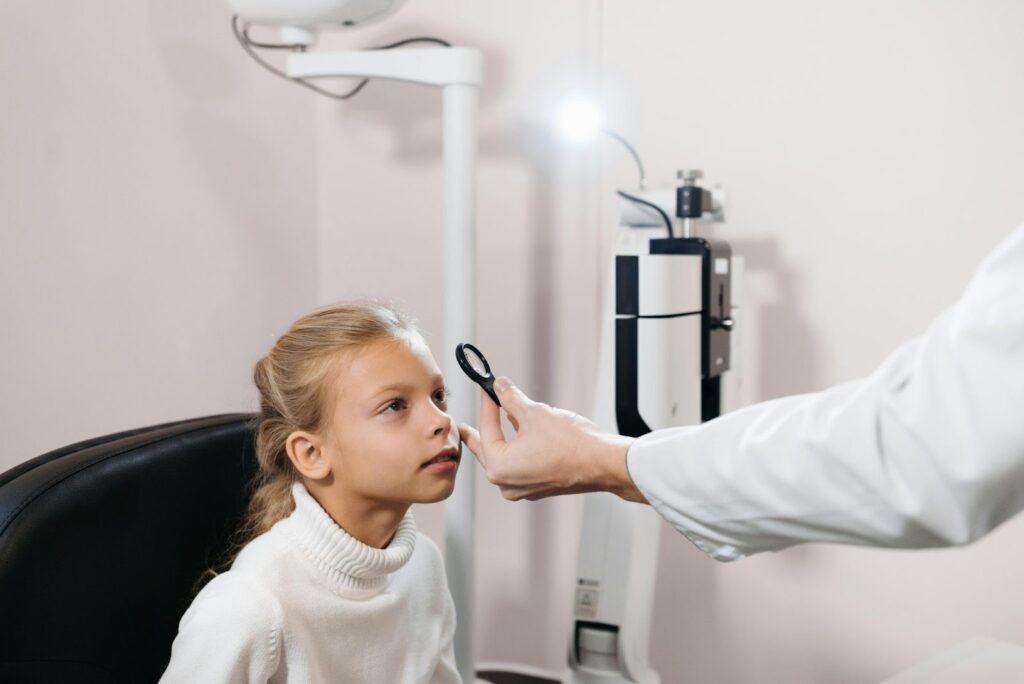
When was your last full eye exam? If you’re not sure, it’s probably time to schedule one. Unlike vision screenings, which only check how well you can see, comprehensive exams assess eye health from the inside out.
They can detect serious conditions such as macular degeneration, diabetic retinopathy, or early signs of cataracts. In fact, a comprehensive eye exam can even reveal six other health conditions an eye exam can reveal beyond just eye-specific issues. Adults under 40 should aim for an exam every two years, while those over 40, especially individuals with a family history of eye disease, should go yearly. These recommended frequencies for eye exams help ensure early detection and intervention. Once people understand their eye health better, many begin researching possible treatments to correct vision issues. This often includes reading patient reviews, community discussions, and shared experiences around San Francisco laser vision correction to understand real outcomes, recovery timelines, and suitability. Taking time to explore unbiased feedback helps individuals make more informed decisions before moving forward.
2. Protect Your Eyes from UV Exposure
Your skin isn’t the only thing that can get damaged by the sun. Prolonged UV exposure has been linked to cataracts and other eye problems, including photokeratitis (essentially a sunburn on your cornea).
The fix is easy: wear sunglasses that block 100% of UVA and UVB rays, even on cloudy days. If you spend a lot of time outside, consider wraparound sunglasses for added protection from light coming in from the sides.
3. Eat for Eye Health
What you eat has a direct impact on your vision. Nutrients like omega-3 fatty acids, lutein, zeaxanthin, zinc, and vitamins C and E play a big role in eye function and may help ward off age-related issues. Research consistently highlights the importance of these nutrients for eye health.
Try incorporating more leafy greens (like spinach and kale), fish (especially salmon and sardines), colorful fruits and vegetables, and even nuts and seeds. Hydration matters too; dehydrated eyes can feel dry and irritated, making everyday tasks uncomfortable. For some, hormonal changes can also contribute to dry eye conditions.
4. Practice the 20-20-20 Rule
In our screen-heavy world, eye strain is practically a given. Digital eye strain, also known as computer vision syndrome, can cause fatigue, blurred vision, and headaches.
The 20-20-20 rule is a simple remedy: every 20 minutes, take a 20-second break to look at something 20 feet away. This gives your eyes a rest and reduces the buildup of visual fatigue. Bonus tip: blink more – it helps keep your eyes moist when staring at screens for long periods.
5. Use the Right Lighting and Screen Settings
Lighting can make a big difference in how hard your eyes have to work. Poor lighting or high glare conditions can lead to squinting and strain.
Adjust your home or workspace so light sources aren’t directly in your eyes or reflected on your screen. Use anti-glare coatings on glasses if needed, and tweak your computer’s brightness and contrast to match your environment. Blue light filters may help if you’re on digital devices late in the evening. Considering dedicated blue light protection can further safeguard your eyes from digital strain.
6. Stay Active and Manage Chronic Conditions
Did you know regular exercise can benefit your eyes, too? Physical activity helps with blood circulation, which supports the small blood vessels in your eyes. It also helps manage weight, blood sugar, and blood pressure, three factors that significantly affect vision.
Conditions like diabetes and hypertension often come with eye-related complications. Managing them through healthy living and regular medical care can make a significant difference in long-term eye health.
7. Avoid Smoking and Minimize Toxin Exposure
Smoking doesn’t just hurt your lungs and heart; it’s also linked to vision loss. Smokers are more prone to cataracts, macular degeneration, and optic nerve damage, all of which can lead to blindness.
If you smoke, quitting is one of the best gifts you can give your eyes. As for environmental toxins, be mindful of chemical exposure at work or home, and wear protective eyewear when using irritants.
Final Thoughts
Your vision is one of your most essential senses. And the good news? Many of the most damaging eye issues are preventable with consistent care, awareness, and healthy habits.
It doesn’t take major lifestyle overhauls or fancy equipment, just some intention and routine check-ins with your optometrist. After all, protecting your vision is really about protecting your quality of life. And that’s worth every bit of effort.
- About the Author
- Latest Posts

Our Editorial Team are writers and experts in their field. Their views and opinions may not always be the views of Wellbeing Magazine. If you are under the direction of medical supervision please speak to your doctor or therapist before following the advice and recommendations in these articles.