If you work in PR and you’re not at least experimenting with AI yet, you’re quietly handing an advantage to your competitors. The good news is you don’t need a data science degree or a Silicon Valley budget. You just need a plan for how to integrate AI into your PR workflow in a way that genuinely helps, rather than creates more noise.
Think of AI as a very fast intern who’s read the whole internet but still needs supervising. It’s brilliant at legwork and pattern‑spotting, but you’re still the one with the judgment, relationships and gut instinct.
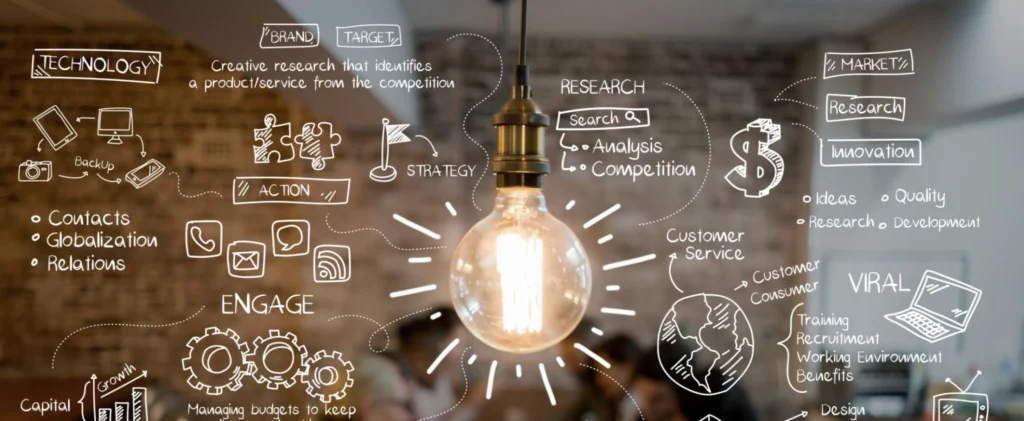
Here, PR software PressReacher reveals how to integrate AI into your PR workflow.
Start with one problem, not “AI in general”
The easiest way to start is to pick one annoying task that eats your time. That might be:
- pulling coverage reports together
- doing first‑draft research on a new client or sector
- monitoring sentiment around a campaign
- drafting boilerplate copy, you rewrite each week anyway
Choose a tool that fits that specific job, test it for a month and only then expand. A lot of UK PR teams are already using AI in exactly this way, mainly for admin, content drafting and data analysis, with three-quarters saying it improves their work quality. That’s where the quick wins are.
Use AI to research faster, not lazier
For most people, the first touchpoint is a text‑based tool like ChatGPT, Claude or similar. Used well, these can:
- summarise long reports or transcripts
- outline a sector landscape
- suggest target media lists and angles
- pull out trends and issues affecting a particular audience
The trick is to treat anything AI gives you as a starting point, not a finished product. You still need to fact‑check, cross‑reference with trusted sources and bring your client’s context into it. For regulated sectors, you also need to be especially careful about accuracy and approvals.
Supercharge media lists and outreach
One of the most useful shifts with AI in PR is moving away from “spray and pray” pitching. Modern media databases and monitoring tools increasingly use AI to:
- suggest the most relevant journalists for a story based on what they’ve actually written about
- flag who’s currently engaging with your topic on social
- personalise pitches at scale by pulling in specific references to a journalist’s recent work
You still write like a human, but AI can help you avoid obvious mismatches, spot fresh targets and tailor outreach in a way that would take hours by hand.
Make content creation less painful
No, AI shouldn’t be writing your press release and thought leadership from scratch. But it can:
- turn a messy internal briefing document into a rough structure
- suggest alternative headlines and social copy
- produce multiple versions of quotes for you to refine
- repurpose a speech into a blog or opinion piece draft
For visual content, tools that create simple graphics, podcast snippets or basic video edits can be a lifeline if you don’t have in‑house design. They’re particularly handy for social assets around announcements or reports where speed matters more than perfection.
Upgrade monitoring, sentiment and crisis prep
Where AI really comes into its own is volume. It can scan thousands of posts, articles and comments and give you a clear sense of the mood around a brand or issue in almost real time. Used properly, that helps you:
- •spot small issues before they flare into full‑blown crises
- track how a message lands with different audiences
- benchmark clients against competitors in the conversation
In crisis simulations, AI tools can generate realistic social media reactions and journalist queries for teams to practise responding to. That makes your crisis playbooks less theoretical and more like the messy reality of a fast‑moving story.
Build AI into your PR metrics, not just your copy
Integrating AI into your PR metrics and strategy is where you shift from “fun toy” to “serious value”. AI‑driven analytics can help you:
- understand which stories or angles actually move reputation scores
- see how different messages perform over time and across channels
- link earned media more credibly to web traffic, search behaviour or enquiries
Once you’re looking at this data regularly, you can make clearer calls on where to focus your time, which outlets really matter and which tactics are quietly wasting effort.
Sort your processes and training early
If you’re in a UK agency or in‑house team, it’s worth getting some basics in place:
- A simple AI policy: what tools are allowed, how to handle client data, what you never put into public systems.
- Training for everyone, not just “the techy one”: PR bodies like CIPR already run “AI in PR” courses, and internal lunch‑and‑learns help normalise usage.
- Clear sign‑off rules: who checks AI‑assisted content before it goes to clients, journalists or the public.
Without those, you’ll end up with quiet experimentation, inconsistent quality and the odd uncomfortable conversation about where a paragraph really came from.
Keep the human at the centre
The fear that AI will replace PRs is understandable, but a bit misplaced. Clients pay for relationships, judgement, creativity and calm counsel when things go wrong. AI can’t replace any of that. What it can do is:
- give you the time and headspace to think instead of just react
- surface patterns you might have missed in the data
- help you personalise at scale without burning out
The trick is to remember that if the work feels more generic and less human because of AI, you’re using it badly. The best use cases make your work more thoughtful, not more robotic.
A practical way to start this month
If you want a very simple route into how to integrate AI into your PR workflow, try this:
Week 1:
Pick one content task, like drafting coverage summaries. Use AI to produce first drafts, then edit as usual. Track how much time you save.
Week 2:
Add one research task, such as a sector overview for a new business pitch. Use AI for an initial outline, then flesh it out with your own sources.
Week 3:
Introduce one monitoring or sentiment tool to a live campaign. Use its insights in your client updates.
Week 4:
Review what worked, what felt clunky and where quality dropped. Keep the wins, ditch the rest, and update your internal ways of working accordingly.
Do that, and AI becomes part of the furniture in your PR workflow: helpful, mostly invisible, and firmly under your control.
- About the Author
- Latest Posts

Our Editorial Team are writers and experts in their field. Their views and opinions may not always be the views of Wellbeing Magazine. If you are under the direction of medical supervision please speak to your doctor or therapist before following the advice and recommendations in these articles.