Evaluating whether veneers are suitable for you involves understanding both their aesthetic benefits and the commitment they demand. Veneers can transform your smile by addressing discoloration, chips, or gaps, yet they require regular maintenance and may induce temporary sensitivity. Consider your oral health, alignment issues, and budgetary constraints. Consulting with a skilled dental professional will help you assess if veneers align with your personal goals and lifestyle, ensuring a decision that supports your long-term dental well-being.
Understanding Veneers: A Brief Overview
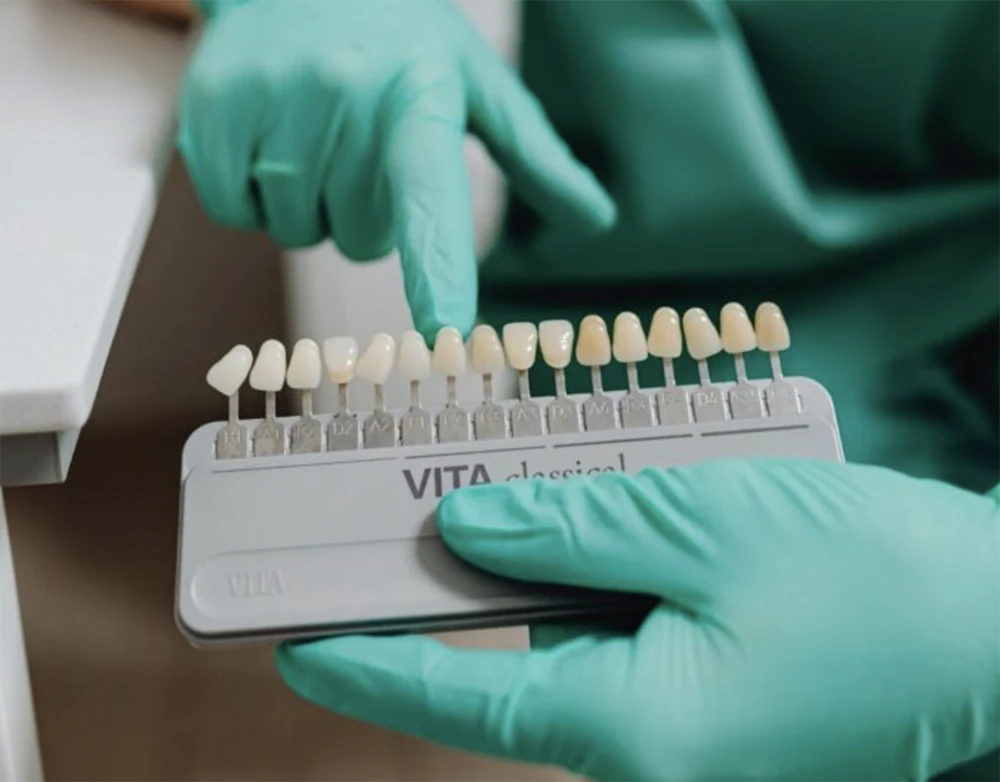
Veneers are thin, custom-made shells crafted to cover the front surface of teeth, primarily for aesthetic enhancement and functional restoration. They are a popular choice in cosmetic dentistry due to their ability to mimic the natural aesthetic appearance of teeth. When considering veneers, understanding their materials composition is essential. Typically, veneers are made from porcelain or composite resin. Porcelain offers superior aesthetic qualities and stain resistance, closely resembling natural teeth’s translucency. However, composite resin is more cost-effective and requires less enamel removal. Your dentist will assess your oral health to determine the most appropriate material based on your needs. Ensuring a precise fit and natural look, veneers are tailored specifically to your mouth, requiring a skilled practitioner for perfect results.
Benefits of Choosing Veneers
With a firm grasp of what veneers are and the materials that compose them, it’s important to ponder the advantages they offer. Veneers provide a transformative solution for those seeking an improved appearance. By addressing imperfections such as discoloration, chips, or gaps, selecting high-quality porcelain veneers in Pensacola ensures a customized aesthetic enhancement performed with expertise. This dental intervention not only refines the visual aspect of your smile but also contributes to enhanced self-confidence. The psychological impact of smiling without hesitation is invaluable, making veneers an investment in both physical and emotional well-being. Crafted from durable materials like porcelain or composite resin, veneers are designed to mimic the natural translucency of enamel, ensuring a seamless integration with your existing dentition while maintaining functional integrity and longevity.
Potential Drawbacks to Consider
When considering veneers, it’s vital to understand the long-term maintenance requirements, as they necessitate consistent care to preserve their aesthetic and functional integrity. You might also experience increased dental sensitivity, particularly to temperature changes, due to the enamel reduction involved in the procedure. Ensuring you’re prepared for these aspects can contribute extensively to a successful veneer experience.
Long-term Maintenance Needs
One critical aspect to ponder before opting for veneers is the long-term maintenance they require. Veneers demand diligent care to guarantee their longevity and aesthetic appeal. You’ll need to commit to regular checkups with your dental practitioner to monitor their condition and address any arising issues. Professional cleanings are essential to prevent plaque buildup and maintain optimal oral hygiene. It’s important to understand that veneers aren’t immune to damage; they can chip or stain over time, necessitating periodic evaluations. Adhering to proper oral care routines, including the use of non-abrasive toothpaste and soft-bristle brushes, will be crucial. While veneers can provide a brilliant smile, their upkeep requires a proactive approach to safeguard your dental investment.
Possible Sensitivity Issues
Veneers can sometimes lead to heightened tooth sensitivity, a potential drawback that merits careful consideration. When preparing your teeth for veneers, enamel reduction is necessary, which can expose the underlying dentin. This exposure might result in post-procedure discomfort, especially when consuming hot or cold foods and beverages. While some patients experience only temporary sensitivity, others may face long-term sensitivity risks. It’s essential to discuss these concerns with your dental professional before proceeding.
Your dentist can assess your individual risk factors and provide strategies to mitigate sensitivity, such as recommending desensitizing toothpaste or fluoride treatments. Understanding the potential for sensitivity can help you make an informed decision about veneers, ensuring that you’re prepared for any adjustments required in your oral hygiene routine.
The Veneer Procedure: What to Expect
Curious about how the veneer procedure unfolds? Initially, the dentist will evaluate your oral health and discuss the procedural steps. You’ll likely require local anesthetic to guarantee comfort during tooth preparation. This involves carefully reshaping the enamel to accommodate veneers. Precise measurements and impressions are then taken to create custom-fit veneers. Temporary veneers might be applied while your permanent ones are crafted in a dental laboratory.
During the second appointment, your dentist will remove the temporary veneers and check the fit and color of the permanent ones. After confirming they meet your expectations, the dentist will bond them to your teeth using a specialized adhesive. This final step requires precision to confirm proper alignment and function, enhancing both aesthetics and durability.
Who Is an Ideal Candidate for Veneers?
When considering veneers, a significant factor is identifying whether you’re an ideal candidate for this cosmetic dental procedure. Veneers can transform your smile, but certain criteria must be met for optimal optimal results. Your tooth alignment should be generally acceptable; veneers aren’t designed to correct severe misalignment. Additionally, impeccable gum health is crucial pivotal, as veneers require a stable foundation. Poor gum health can compromise the longevity and success of veneers.
Ideal candidates typically exhibit:
- Minor tooth discoloration that doesn’t respond to whitening treatments.
- Chipped or worn teeth that need aesthetic enhancement.
- Gaps between teeth that are modest and don’t affect oral function.
Consult with your dental professional to assess your specific dental conditions, ensuring veneers are suitable for your needs and goals.
Veneers vs. Other Cosmetic Dental Options
When considering veneers versus crowns, it is vital to understand the differences in their applications and benefits. Veneers primarily enhance aesthetics by covering the front surface of teeth, while crowns provide full coverage, offering both cosmetic and structural support. Cost is a significant factor, and discussing these options with your dentist will help you make an informed decision that aligns with your dental health goals and budget.
Veneers vs. Crowns
Although both veneers and crowns are popular cosmetic dental options, they serve distinct purposes and are suited for different dental needs. Veneers are thin shells applied to the front surface of teeth, ideal for addressing aesthetic limitations like discoloration and minor misalignments. However, durability concerns arise as veneers are less robust compared to crowns, which cover the entire tooth and are better for structurally compromised teeth.
When choosing between veneers and crowns, consider these points:
- Durability: Crowns offer greater structural support, especially for weakened teeth.
- Aesthetic Goals: Veneers excel in enhancing the appearance of teeth with minimal alteration.
- Dental Health: Crowns are preferable when decay or damage is significant, while veneers are suited for cosmetic adjustments.
Consult your dentist to determine the best option for your needs.
Cost Comparison Options
Considering the financial implications of cosmetic dental procedures, it is vital to understand the cost differences between veneers and other options available. Veneers typically range from $800 to $2,500 per tooth, contingent on materials and complexity. Comparatively, teeth whitening procedures are far less expensive but offer temporary results. Orthodontics, such as braces or clear aligners, can cost $3,000 to $7,000, depending on treatment duration and complexity.
When contemplating veneers, evaluate available payment plans, which can alleviate upfront financial burdens. Additionally, insurance coverage often varies, as many policies classify veneers as elective. It’s advisable to consult your insurance provider to determine potential reimbursement. By thoroughly examining these factors, you can make an informed decision that aligns with both your aesthetic goals and financial considerations.
Cost Considerations and Financial Planning
Three key points to ponder:
- Initial Consultation: Some clinics may offer free consultations to discuss veneer costs.
- Insurance Coverage: Check if your dental insurance covers any part of the procedure.
- Long-Term Savings: Veneers can improve oral health, potentially reducing future dental costs.
Maintenance and Longevity of Veneers
While financial considerations are a significant aspect of veneers, understanding their maintenance and longevity is equally important for making an informed decision. Veneers typically last 10-15 years, contingent on adherence to proper cleaning techniques and professional maintenance requirements. To boost durability, brush twice daily using a soft-bristle toothbrush and non-abrasive fluoride toothpaste. Floss regularly to prevent gingival inflammation. It is crucial to attend biannual dental check-ups for thorough evaluations and cleaning procedures. Avoid habits like nail-biting or using teeth as tools, which can compromise veneer integrity. Your clinician will provide personalized guidance, tailored to your oral health dynamics. Adhering to these protocols guarantees the veneers’ optimal function and aesthetics, safeguarding your investment and promoting sustained oral health.
Addressing Common Concerns and Misconceptions
Why do some people hesitate to choose veneers despite their aesthetic benefits? Often, it’s due to common myths surrounding veneers and their impact on dental health. Addressing patient concerns regarding veneers is vital for making informed decisions.
- Myth: Veneers damage natural teeth. In reality, they require minimal enamel removal and are bonded firmly.
- Myth: Veneers look unnatural. Modern advancements guarantee a natural, personalized appearance that matches your teeth.
- Myth: Veneers are only cosmetic. They can also address structural issues like chips and gaps.
Understanding these misconceptions helps dispel unnecessary fears. As dental professionals, our goal is to provide clarity, assuring patients feel confident in their choices. Veneers, when properly managed, offer both aesthetic enhancement and functional benefits.
Finding the Right Dental Professional for Veneers
Selecting the appropriate dental professional for your veneers is essential, as the outcome greatly depends on the provider’s skill and experience. A dentist’s qualifications play a critical role in ensuring ideal results. Begin by verifying their credentials—look for board certification and specialized training in cosmetic dentistry. This confirms their proficiency in veneer application techniques. Additionally, research the practice reputation. Online reviews and patient testimonials provide insights into the care quality and patient satisfaction levels. It’s also important to schedule a consultation, allowing you to assess the dentist’s communication style and attentiveness to your concerns. A reputable practice will prioritize patient care, ensuring you’re informed and comfortable throughout the process. Remember, choosing the right dentist sets the foundation for a successful veneer experience.
Frequently Asked Questions
Can Veneers Be Removed After Being Applied?
You can remove veneers, but it’s a complex process that might damage your natural teeth. With proper maintenance and understanding their long-term durability, veneers offer a lasting solution. Always consult your dentist for personalized patient care guidance.
Do Veneers Affect Speech or Eating Habits?
Yes, veneers can affect speech clarity and may alter chewing mechanics initially. However, with time and proper adaptation, your speech and eating habits typically normalize, ensuring your comfort and maintaining ideal oral functionality.
Can You Get Veneers if You Have Gum Disease?
You shouldn’t get veneers if you have gum disease. Address underlying gum health first through periodontal treatment options. A healthy foundation is indispensable for veneers’ longevity and success, ensuring ideal results and preventing further oral health complications.
Are There Any Dietary Restrictions With Veneers?
Yes, you’ll need to avoid hard and crunchy foods to prevent veneer damage. Preserving proper oral hygiene is essential to guarantee longevity and oral health, as veneers require the same care as natural teeth.
How Do Veneers Impact Overall Oral Health?
Veneers can enhance your smile without compromising oral health. They offer long-term durability but may initially cause tooth sensitivity. Proper maintenance and regular dental visits guarantee suitable function, preserving underlying tooth structure and fostering overall dental wellness.
- About the Author
- Latest Posts

Our Editorial Team are writers and experts in their field. Their views and opinions may not always be the views of Wellbeing Magazine. If you are under the direction of medical supervision please speak to your doctor or therapist before following the advice and recommendations in these articles.