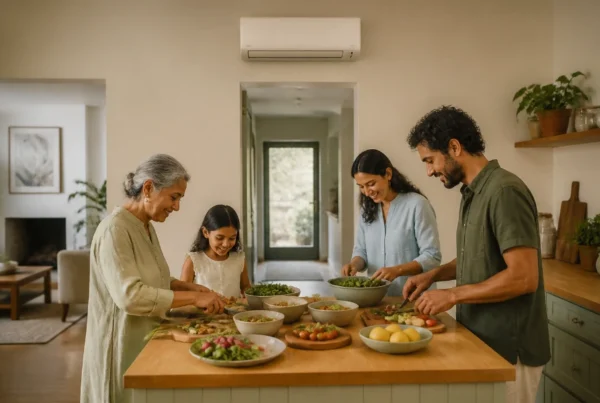
The places where we live shape us in ways both obvious and subtle. We spend the majority of our lives within the walls of our homes, sleeping, eating, working, and connecting with the people who matter most. Yet many of us give surprisingly little thought to how our living environments affect our health and happiness. Research across psychology, medicine, and environmental design reveals that our homes influence far more than comfort and convenience. They fundamentally shape our mental clarity, physical health, and emotional resilience. Understanding these connections empowers us to create living spaces that actively support our wellbeing.
The Science of Environmental Psychology
Environmental psychology has spent decades documenting how physical surroundings affect human behavior, mood, and cognition. This research consistently demonstrates that spaces are not neutral backdrops to our lives but active participants in shaping our experiences.
Our brains constantly process environmental information, much of it below conscious awareness. The colors on our walls, the height of our ceilings, the quality of light streaming through windows, and the sounds filtering in from outside all trigger neurological responses that influence how we think and feel. A room that feels cramped and dark activates different neural pathways than one that feels open and bright.
This processing happens automatically and continuously. We cannot simply decide to ignore our surroundings. Even when focused intently on work or conversation, our brains remain attuned to environmental conditions, adjusting our stress hormones, attention levels, and emotional states in response to spatial cues.
The implications for home design and selection are profound. Choosing where and how we live represents one of the most consequential decisions we make for our long-term wellbeing, yet these choices are often driven primarily by practical considerations like cost, commute time, and square footage.
Natural Light and Mental Health
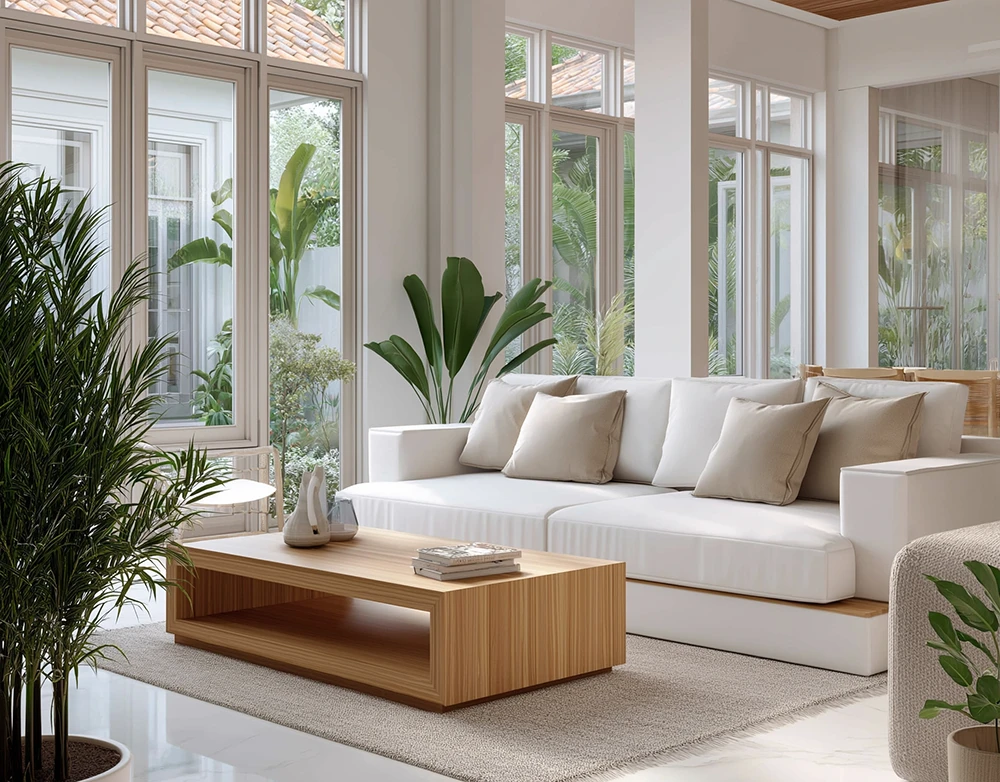
Few environmental factors influence wellbeing more powerfully than natural light. Humans evolved under the sun, and our biology remains deeply connected to light exposure patterns. When our homes provide abundant natural light, our bodies and minds function more optimally.
Light exposure regulates circadian rhythms, the internal clocks that govern sleep, hormone production, and countless other biological processes. Homes with ample natural light help maintain healthy circadian function, promoting better sleep quality and more stable energy levels throughout the day. Conversely, dim or artificially lit environments can disrupt these rhythms, contributing to sleep disorders, fatigue, and mood disturbances.
Research has linked inadequate natural light exposure to increased rates of depression and anxiety. Seasonal affective disorder represents the most dramatic example, but subtler effects occur year-round. People living in darker homes report lower mood and life satisfaction compared to those with better light access, even when other factors are controlled.
Beyond mental health, natural light supports physical wellbeing through vitamin D synthesis and visual health. It also reduces reliance on artificial lighting, which often lacks the full spectrum qualities that support optimal function.
When evaluating potential homes, assessing natural light should rank among the highest priorities. The orientation of windows, the presence of obstructions, and the design of interior spaces all affect how much daylight reaches living areas. These factors influence daily experience far more than many features that receive greater attention during home searches.
Space, Layout, and Cognitive Function
The physical arrangement of living spaces affects how we think, focus, and process information. Cluttered, cramped, or poorly organized environments impose cognitive burdens that accumulate over time, while thoughtfully designed spaces support mental clarity and productivity.
Visual clutter competes for attention, forcing the brain to constantly filter irrelevant stimuli. This filtering consumes cognitive resources that could otherwise support focused thinking, creative problem-solving, or emotional regulation. Studies have shown that people working in cluttered environments make more errors, feel more stressed, and report greater mental fatigue than those in organized spaces.
Room proportions and ceiling heights influence cognitive style. Higher ceilings have been associated with more abstract, creative thinking, while lower ceilings support detail-oriented, focused work. Neither is inherently better, but matching space characteristics to intended activities can enhance performance and satisfaction.
Flow between rooms affects daily friction and stress levels. Homes where movement patterns feel natural and unobstructed support easier daily routines. Those with awkward layouts, bottlenecks, or poorly positioned rooms create small frustrations that compound over time.
Storage adequacy plays an underappreciated role in mental wellbeing. Homes with insufficient storage force residents to live among their possessions rather than with them, making organization difficult and visual calm nearly impossible to achieve.
Air Quality and Physical Health
The air inside our homes profoundly affects physical health, yet indoor air quality rarely receives the attention it deserves. Modern homes can trap pollutants, allergens, and toxins at concentrations far exceeding outdoor levels, creating invisible health hazards.
Common indoor air pollutants include volatile organic compounds from furniture, paint, and cleaning products; particulate matter from cooking, candles, and outdoor sources; biological contaminants like mold, dust mites, and pet dander; and combustion byproducts from gas appliances and fireplaces.
Chronic exposure to poor indoor air quality has been linked to respiratory problems, cardiovascular disease, cognitive impairment, and increased cancer risk. Children, elderly individuals, and those with existing health conditions face heightened vulnerability, but everyone’s health suffers when air quality is compromised.
Ventilation represents the primary defense against indoor air pollution. Homes that allow fresh air exchange dilute pollutants and maintain healthier interior environments. Older homes often ventilate more naturally through less sealed construction, while newer, tighter homes may require mechanical ventilation systems to maintain air quality.
Material choices throughout the home affect pollutant levels. Low-VOC paints, solid wood instead of composite materials, and natural fiber furnishings reduce chemical off-gassing. Regular cleaning, appropriate humidity control, and prompt attention to water intrusion prevent biological contaminant growth.
Connection to Nature and Restoration
Humans possess an innate affinity for natural environments, a tendency researchers call biophilia. This connection to nature runs deep in our evolutionary history and continues to influence wellbeing today. Homes that maintain connection to the natural world support restoration and stress recovery in ways that entirely built environments cannot match.
Views of nature from windows have been shown to reduce stress, improve mood, and even accelerate healing from illness or surgery. The mere presence of plants within interior spaces provides measurable psychological benefits. Natural materials like wood and stone create different responses than synthetic alternatives, even when visual appearance is similar.
Outdoor living spaces extend the restorative potential of homes. Gardens, patios, balconies, and yards provide opportunities for direct nature contact that interior spaces cannot replicate. Time spent outdoors at home supports physical activity, vitamin D production, and the mental health benefits of green space exposure.
The surrounding neighborhood environment matters as well. Homes situated near parks, trails, water features, or natural areas provide easier access to the restorative experiences nature offers. Real estate professionals who understand these connections, like Gurr Luxury Properties, help clients find homes that provide not just shelter but genuine sanctuary through thoughtful attention to natural surroundings and environmental quality.
Even in urban settings, design choices can maintain nature connection. Large windows framing sky views, interior plants, natural material palettes, and water features all help satisfy biophilic needs when direct nature access is limited.
Sound Environment and Stress Levels
The acoustic environment of our homes shapes stress levels and emotional wellbeing in ways we often underestimate until problems become severe. Unwanted noise represents one of the most common environmental complaints and one of the most difficult to remedy after the fact.
Chronic noise exposure activates stress responses even during sleep, when conscious awareness is absent. Traffic sounds, neighborhood activity, aircraft, and mechanical systems can all disrupt the restoration that quiet homes provide. Over time, this acoustic stress contributes to cardiovascular problems, cognitive impairment, and mental health challenges.
Interior acoustics matter as well. Homes with hard surfaces and minimal soft furnishings create echoey, harsh sound environments that feel less comfortable than those with appropriate acoustic absorption. The sounds of daily life, from conversations to footsteps to appliances, behave differently depending on room characteristics.
Privacy from neighbors affects emotional comfort and behavior within the home. Thin walls or floors that transmit sounds between units create self-consciousness that inhibits relaxation and authentic self-expression. Homes offering acoustic privacy support the psychological safety that true sanctuary requires.
Evaluating acoustic conditions when selecting a home requires attention at different times and days. A neighborhood quiet on Sunday afternoon may prove unbearable during weekday rush hours. Interior sound transmission becomes apparent only when neighbors are active. Taking time to assess acoustic reality prevents discovering problems after commitment.
Temperature, Humidity, and Comfort
Thermal comfort in our homes affects both immediate experience and long-term health. Bodies function optimally within relatively narrow temperature and humidity ranges, and chronic exposure to conditions outside these ranges imposes physiological stress.
Sleep quality depends heavily on thermal environment. Core body temperature naturally drops during sleep, and rooms that are too warm interfere with this process, reducing sleep depth and restoration. Most sleep research suggests bedroom temperatures between 65 and 68 degrees Fahrenheit support optimal rest.
Humidity levels affect respiratory health, skin condition, and perceived comfort. Very dry air irritates mucous membranes, increases susceptibility to respiratory infections, and accelerates skin aging. Excessively humid conditions promote mold growth, dust mite proliferation, and general discomfort. Maintaining humidity between 30 and 50 percent supports health across multiple dimensions.
The ability to control thermal conditions matters as much as baseline characteristics. Homes with effective heating and cooling systems, good insulation, and appropriate window treatments allow residents to maintain comfortable conditions regardless of external weather. Those with inadequate climate control force uncomfortable compromises that accumulate as chronic stress.
Energy efficiency connects thermal comfort to financial and environmental wellbeing. Homes that maintain comfortable temperatures without excessive energy consumption reduce utility costs while supporting sustainability goals. This efficiency depends on construction quality, insulation, window performance, and system design.
Color, Aesthetics, and Emotional Response
The visual character of our homes influences emotional states through color, form, texture, and overall aesthetic quality. These responses occur rapidly and automatically, shaping mood before conscious evaluation begins.
Color psychology research has documented consistent emotional associations with different hues, though individual and cultural variations exist. Blues and greens generally promote calm and restoration. Warm colors like red and orange stimulate energy and appetite. Neutrals provide flexibility and background calm that allows other elements to shine.
Beyond specific colors, the overall coherence of interior design affects psychological comfort. Spaces that feel intentional and harmonious, regardless of specific style, create different experiences than those that feel haphazard or conflicted. Thoughtfully designed furnishings from brands like Cocoon Furnishings support this sense of coherence by emphasizing comfort, material quality, and designs that promote calm and emotional balance within the home. This coherence need not require expensive furnishings or professional design, but it does require thoughtful attention to how elements relate.
Personal meaning embedded in our spaces supports emotional wellbeing. Homes filled with objects that carry positive associations, memories, and connections to loved ones provide ongoing emotional nourishment. Generic spaces lacking personal significance feel less like home regardless of their objective quality.
The balance between stimulation and calm shapes how spaces function for different activities and times. Areas intended for relaxation benefit from simpler, quieter visual environments. Those supporting activity and socializing can handle more energy and complexity. Homes that offer both options serve their residents more completely.
Social Spaces and Relationship Health
How our homes accommodate social connection affects relationship health and emotional wellbeing. Humans are fundamentally social creatures, and our living spaces either support or hinder the connections we need.
Gathering spaces shape how families and friends interact. Kitchens and living areas that encourage congregation support the casual, ongoing contact that maintains relationships. Layouts that isolate family members in separate rooms reduce interaction frequency and relationship quality over time.
Privacy within shared homes matters equally. Individuals need spaces for solitude, personal pursuits, and retreat from social demands. Homes that provide only shared spaces deny residents the restoration that solitude provides. Those offering balance between gathering and private spaces serve relationship health better than either extreme.
Hosting capacity affects broader social networks. Homes that can comfortably accommodate guests support the social connections that contribute to wellbeing and longevity. Those too small or poorly configured for entertaining may inadvertently isolate their residents from wider community ties.
For families with children, how homes support different life stages affects family functioning. Spaces that work well for infants may fail teenagers. Anticipating changing needs when selecting homes prevents mismatches between space and family development.
Location and Lifestyle Integration
Where our homes sit within broader communities shapes daily experience and long-term wellbeing. Location determines what activities are convenient, what stressors we face, and what opportunities remain accessible.
Commute characteristics affect health more than many realize. Long, stressful commutes correlate with higher rates of obesity, cardiovascular disease, anxiety, and relationship problems. The time consumed by commuting comes directly from time available for sleep, exercise, family connection, and personal pursuits. Homes that minimize commute burden support wellbeing across multiple dimensions.
Access to amenities shapes lifestyle possibilities. Proximity to parks encourages physical activity. Nearby cultural institutions support enrichment and engagement. Quality grocery stores enable healthy eating. Medical facilities provide security. The amenity landscape surrounding a home quietly influences countless daily decisions and long-term outcomes.
Neighborhood social characteristics affect sense of belonging and safety. Communities where neighbors know and support each other provide social capital that benefits mental health and practical wellbeing. Those characterized by isolation or conflict impose ongoing stress regardless of individual home quality.
Safety concerns, whether from crime, traffic, or environmental hazards, create chronic low-level stress that accumulates over time. Homes in genuinely safe locations allow the psychological relaxation that true sanctuary requires.
Making Intentional Choices
Understanding how living spaces influence wellbeing empowers more intentional choices about where and how we live. These decisions deserve the same careful analysis we apply to other major life choices affecting health and happiness.
When searching for homes, expanding evaluation criteria beyond traditional factors like price and size to include light quality, acoustic environment, air quality potential, nature connection, and neighborhood characteristics leads to better long-term outcomes. A slightly smaller home with superior environmental qualities may support wellbeing better than a larger one with compromised conditions.
For current homes, identifying the environmental factors most affecting your wellbeing focuses improvement efforts effectively. Sometimes small changes yield significant benefits. Rearranging furniture to improve flow, adding plants for biophilic connection, or addressing acoustic issues can meaningfully enhance daily experience without major investment.
Major renovations offer opportunities to fundamentally improve how homes support wellbeing. Priorities might include increasing natural light, improving ventilation, creating better indoor-outdoor connections, or reconfiguring layouts to support both social gathering and individual retreat.
Living Well at Home
Our homes do far more than shelter us from weather and provide places to store our belongings. They actively shape our mental clarity, physical health, and emotional resilience through countless environmental factors operating continuously throughout our lives. Recognizing this influence transforms how we think about the places we live.
The most supportive homes provide abundant natural light, clean air, comfortable temperatures, peaceful acoustics, connection to nature, spaces for both togetherness and solitude, and locations that integrate well with the lives we want to lead. They feel like true sanctuaries where we can restore, connect, and thrive.
Creating or finding such homes requires intention and awareness. It means prioritizing environmental quality alongside practical considerations, understanding which factors matter most for individual needs, and making choices that serve long-term wellbeing rather than only immediate convenience. The investment repays itself through better health, deeper happiness, and richer daily experience within the spaces where we spend our lives.
- About the Author
- Latest Posts

Our Editorial Team are writers and experts in their field. Their views and opinions may not always be the views of Wellbeing Magazine. If you are under the direction of medical supervision please speak to your doctor or therapist before following the advice and recommendations in these articles.