As the global population and consumption levels rise, waste treatment becomes more crucial than ever for protecting the planet. Waste management isn’t just about waste reduction and getting rid of trash; it’s a complete system involving waste collection, chemical treatment, and appropriate disposal methods to manage waste handling, reduce waste generation and preserve natural resources.
By applying effective waste management strategies, we can mitigate the harmful environmental impact of hazardous waste, food waste, and liquid waste, while also safeguarding public health.
The goal of proper waste management is to reduce the waste generated, safely handle dangerous substances like medical waste, and responsibly manage liquid waste disposal. Through responsible waste disposal and adherence to waste management systems and regulations, as well as adopting sustainable practices, we can build a cleaner, healthier world.
This guide will explore the key areas of waste treatment, including liquid waste management, chemical waste control, and more, offering a clear path to a sustainable future.
Waste Treatment as Part of Waste Management to Reduce Environmental Impact
Waste treatment is an essential part of the general waste management process, in the form of converting hazardous or unusable waste into less harmful types. This facilitates harmless waste disposal and prevents extreme consequences like water contamination, air pollution, and harm to human health.
It is especially important for treating various kinds of waste, such as hazardous waste, food waste, and types of liquid waste, that may have extreme public health and environmental consequences if not treated.
By utilising waste treatment methods such as sorting of wastes, anaerobic digestion, and chemical treatment, including organic waste treatment systems, you attain environmental sustainability and ensure regulatory compliance.
Minimising and treating the amount of waste generated protects natural resources, reduces disposal costs, and lowers the utilisation of landfills, paving the way to a sustainable environment.
Effective Waste Management: Disposal and Treatment Methods
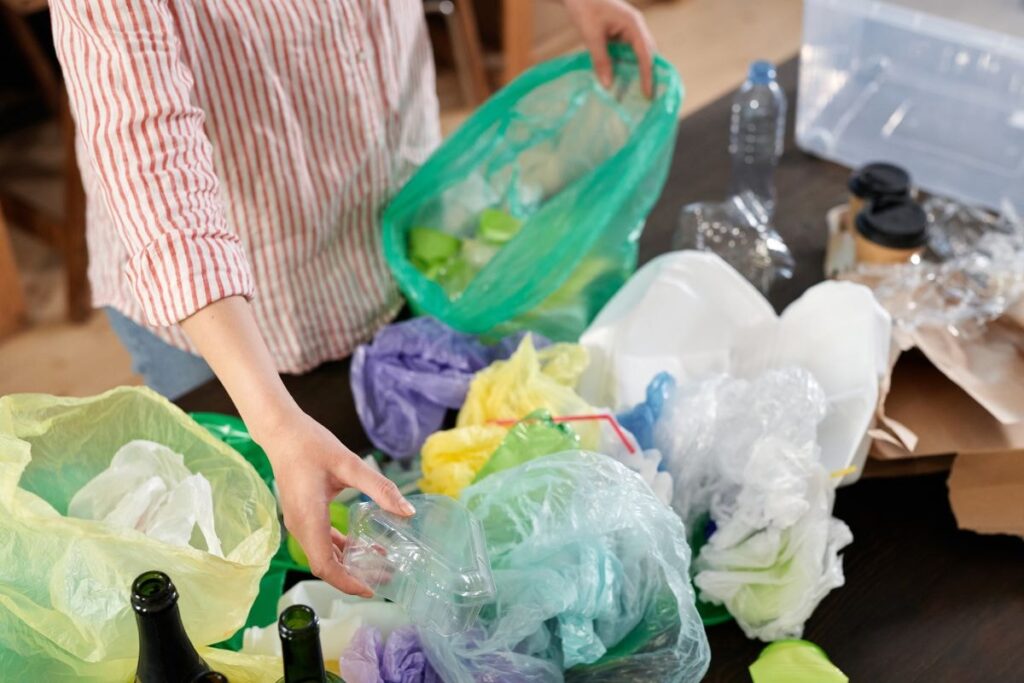
Liquid Waste Management: Liquid Waste Disposal and Treatment
Liquid waste includes everything from industrial wastewater treatment to sewage and chemicals. It’s one of the most challenging forms of waste to control, yet liquid waste management is essential to avoid contaminating soil and water bodies.
Common types of liquid waste include oils, greases, sludges, and wastewater from food processing or industrial processes. Liquid waste disposal involves safe transport, treatment, and secure storage. Typically, you can use chemical treatment and biological processes to break down contaminants in liquid waste.
Proper liquid waste management, including the treatment of non-hazardous liquid waste, not only safeguards ecosystems but also helps protect public health from harmful pathogens and chemicals. It’s a core element of any modern waste management plan.
Hazardous Waste and Chemical Treatment
Hazardous waste, including chemical waste, harmful chemicals, waste disposal and contaminated medical waste, requires maximum precaution and compliance with strict environmental legislation and waste management legislation.
You must properly mark and identify all hazardous materials and employ safe containers and waste transport routes. Subsequently, you can employ approved methods of disposal to avoid incorrect disposal and environmental contamination.
Appropriate disposal of hazardous waste avoids serious consequences such as toxic spills and possible health risks in the long term. Recycling of waste using specialised methods is required for human health as well as for environmental responsibility.
Food Waste
Food waste represents a major portion of municipal solid waste and directly contributes to methane emissions in landfills. Tackling food waste and promoting the use of recyclable materials is key to reducing waste generation and achieving a sustainable environment.
It is essential to separate food waste from general waste during waste collection. You can then convert food waste into nutrient-rich compost through home or community composting programs. Using anaerobic digestion to turn food waste into renewable energy also reduces waste.
These waste management practices not only reduce the waste generated but also conserve resources like land and water used in agriculture. Effective food waste strategies and proper handling of waste materials and recyclable waste benefit both the environment and your wallet.
Effective General Waste Treatment
Effective waste management encompasses a set of coordinated actions, from waste sorting to chemical treatment, that work together to minimise the environmental impact of the waste generated and conserve valuable resources.
Try to implement a structured waste management process that includes reduction, reuse, and recycling. Also, encourage community-wide participation in promoting recycling and composting. Furthermore, you must monitor waste generation patterns to identify areas for improvement.
By embracing proper waste management, we create space for a cleaner, greener, and more responsible society. The focus should always remain on proper storage, efficient disposal, regulatory compliance, and preserving natural resources for future generations.
Effective Waste Disposal and Treatment of Medical Waste
Medical waste includes contaminated sharps, pharmaceuticals, and infectious materials. Mishandling non-recyclable waste poses high risks to public health and the environment.
It is important to follow specific waste management regulations for segregation, storage, and destruction. Using autoclaving, incineration, or chemical treatment ensures proper treatment of biological materials. Subsequently, always keep solid waste and non-hazardous waste separate to prevent contamination.
With strict protocols, safe disposal methods, and access to recycling facilities, healthcare providers can manage medical waste effectively, reducing harm and maintaining regulatory compliance.
Waste Disposal Methods
There are several disposal methods for handling liquid waste, food waste, and hazardous waste, depending on their nature and risk levels. Choosing the right method, following a waste audit, is key to effective waste management.
These are the main waste disposal methods:
- Chemical treatment for industrial effluents.
- Anaerobic digestion for organic waste, like food.
- Landfilling and incineration for non-hazardous waste and general waste.
The choice of disposal methods must prioritise environmental responsibility, public health, and the conservation of natural resources. Smart planning also helps in lowering disposal costs and boosting system efficiency.
Conclusion: A Cleaner Future Through Waste Treatment
A cleaner and greener world starts with the wise handling of waste and proper waste management. From liquid waste and hazardous waste management to reducing food waste, every move in the waste management chain counts.
With correct disposal practices, liquid waste management, and compliance with waste management laws and policies, we can reduce our impact on the environment, conserve natural resources, and promote public health.
By increasing the means of waste management, embracing regulatory compliance, and involving people, we not only address the created waste but also propel a sustainable future for everyone. It is time to act on waste management and apply sustainable measures to the planet and for future generations.
- About the Author
- Latest Posts

Our Editorial Team are writers and experts in their field. Their views and opinions may not always be the views of Wellbeing Magazine. If you are under the direction of medical supervision please speak to your doctor or therapist before following the advice and recommendations in these articles.