Back to School: Five Simple Ways Parents Can Reduce Their Children's Exposure to Everyday Chemicals
As families prepare for the new school year, parents are busy ticking off uniform lists, buying new shoes and stocking up on lunchbox essentials. But while…
As families prepare for the new school year, parents are busy ticking off uniform lists,
buying new shoes and stocking up on lunchbox essentials. But while the focus is often on
getting children classroom-ready, another important issue is getting completely overlooked,
that of everyday chemical exposure.
From stain-resistant school uniforms and non-stick lunch containers to pesticides used in
parks and playgrounds, children can come into contact with a wide range of environmental
chemicals throughout the school day.
Recent research by Pesticide Action Network (PAN UK) found pesticides and herbicides in
60% of the children's playgrounds it tested. Soil and plant samples from 13 play areas across
England detected a range of chemicals, including glyphosate and its breakdown product
AMPA. The only playground where glyphosate was not detected was in the London Borough
of Hackney, which stopped using the weed killer in 2018.
Children are particularly vulnerable to environmental chemicals because their organs,
including the liver and other detoxification systems, are still developing. They also tend to
spend more time close to the ground and are more likely to put their hands and objects into
their mouths, increasing the likelihood of accidental exposure.
According to lastinghealth, which recently launched The Everyday Chemicals Test, while it is
impossible to eliminate exposure, making a few simple lifestyle changes can help
reduce the overall chemical burden on growing bodies.
Five top tips for a healthier school year
The Everyday Chemicals Test is available for adults, 18+ only
Choose natural where possible
Look for school clothing and everyday essentials made from natural fibres such as organic
cotton, particularly for clothing worn close to the skin. Some stain-resistant and water-
repellent fabrics may contain PFAS ("forever chemicals"), which have attracted increasing
attention because they persist in the environment and the body.
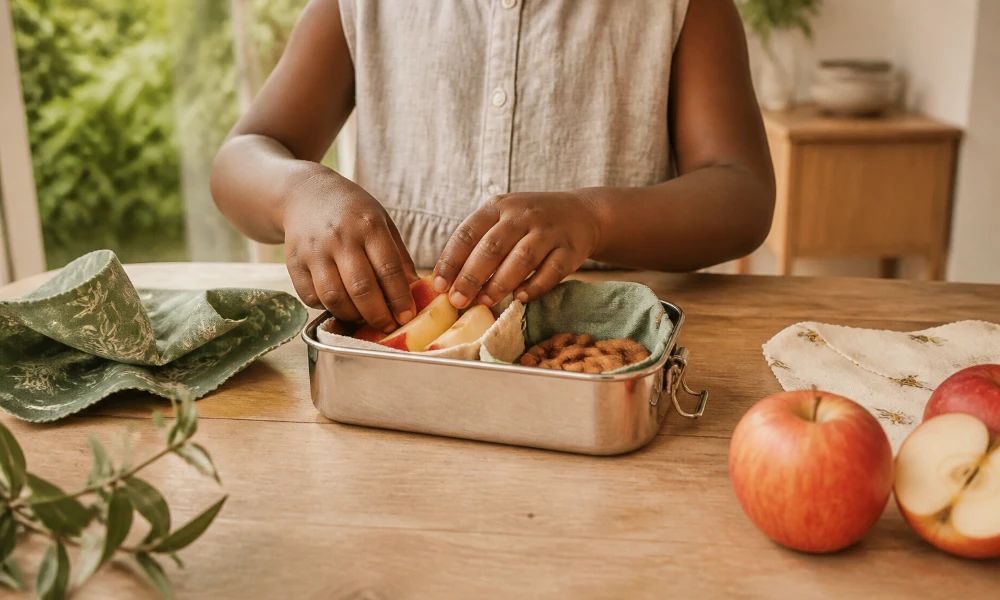
Pack a healthier lunchbox
Where practical, choose organic fruit and vegetables to reduce exposure to pesticide
residues, particularly foods that regularly appear on the Environmental Working Group's
"Dirty Dozen" list. Swap plastic lunchboxes and drinks bottles for stainless steel or glass
alternatives where appropriate, and avoid heating food in plastic containers.
Support the body's natural defences
A balanced diet rich in leafy green vegetables and broccoli helps support the body's natural
detoxification processes. Regular outdoor exercise also supports overall health and helps
maintain healthy vitamin D levels.
Find out what your local council uses
Parents can check whether their local authority uses glyphosate or has adopted pesticide-
free practices. Choosing green spaces where chemical weed killers are not routinely used
can help reduce unnecessary exposure during outdoor play.
Make small changes at home
Simple swaps, such as using stainless steel cookware instead of damaged non-stick pans,
filtering drinking water where possible and choosing children's toiletries and sunscreens
with fewer unnecessary ingredients, can all contribute to lowering everyday chemical
exposure.
The Everyday Chemicals Test has been designed to help individuals better understand their
exposure to a range of environmental chemicals and identify practical steps that may help
reduce it. It screens 27 metabolite markers to indicate exposure to chemicals including
phthalates, parabens, pesticides, herbicides, VOCs and other chemicals we encounter every
day, including glyphosate and BPA.
For a one-off investment of £299 you can establish your exposure to everyday chemicals.
Order now at https://lastinghealth.com/order-test/
Filed underFamily & parenting