









Balding in Your 20s: Causes, Treatments, and Prevention Tips
-
- July 14, 2025

Noticing hair thinning in your 20s? You are not imagining it, and you are certainly not alone.
It can feel unfair. You are young, motivated, and in your prime. Then suddenly, your hairline starts creeping back, or your crown gets thinner.
It hits your confidence. Hard. But here is the good news: There are real answers, and there are real solutions.
Balding early is more common than you think, and with the right moves, you can slow it down—or even turn it around.
Let’s talk about what causes it, how to treat it, and what you can do to stay ahead.
Early Hair Loss Is More Normal Than You Think
Hair loss in your 20s feels like something that should not be happening. However, it is happening to many people.
In fact, nearly 1 in 4 men start losing their hair before 21. Women face it too, often due to hormonal or medical issues.
Here is how it usually shows up:
- A slowly receding hairline
- Thinner spots on top
- A widening part or a weaker ponytail
The sooner you catch it, the more you can do.
What Causes Balding in Your 20s?
Hair loss can feel random. But it usually happens for specific reasons. Here are the biggest ones:
1. Family History
Genetics play a major role. If your parents or grandparents lost hair early, chances are higher that you might too.
This type of loss—called androgenetic alopecia—can start in your teens or twenties and gradually progress.
2. Stress
Stress is more than just a mental weight. It affects your body too. Emotional or physical stress can shock your system and trigger sudden hair shedding.
This is often temporary, but it is a big wake-up call.
3. Hormone Imbalance
Hormonal shifts can mess with your hair growth cycle. Things like thyroid disorders, PCOS, or birth control changes can lead to increased shedding.
In men, higher levels of DHT—a hormone linked to testosterone—can shrink hair follicles.
4. Poor Nutrition
Your hair needs fuel to grow. If you are skipping meals, eating junk, or lacking protein, your hair will suffer.
Crash dieting or nutrient gaps can quietly sabotage hair health.
5. Damage from Styling
Tight braids. Hot tools. Chemical relaxers. They might look good short-term, but long-term? They wear your hair down.
Too much tension or heat can lead to thinning and even permanent damage.
What Can You Actually Do About It?
Hair loss in your 20s is not a lost cause. You have solid options to treat it—if you act early.
Here is where to start:
1. Talk to a Hair Restoration Expert
One of the smartest moves? Get expert help. A proper diagnosis leads to the right plan.
If you’re in the Charlotte, North Carolina area and dealing with thinning hair or noticeable hair loss, visiting a local hair restoration clinic could be your next best step. These specialists provide personalized treatment plans based on your hair type, lifestyle, and specific pattern of loss. It’s in these trusted clinics that real progress often begins.
2. Consider Proven Treatments
There are two main FDA-approved options:
- Minoxidil (topical): Boosts growth and helps slow shedding.
- Finasteride (oral): Blocks DHT to protect hair follicles.
Used consistently, these can help prevent hair loss from worsening—and in some cases, even regrow hair.
3. Look Into Hair Transplants
If your hair loss is advanced or genetic, transplants might be a long-term solution. This process involves transferring healthy hair from one area to where it is thinning.
The result? Natural, permanent growth.
Whether you’re in Sarasota or willing to travel for expert care, you can explore advanced options through hair transplant clinics in Sarasota, Florida. Known for its reputable healthcare providers and growing cosmetic treatment scene, Sarasota offers state-of-the-art procedures and personalized care. Similar high-quality clinics are also available across the U.S., giving you flexibility and access to trusted professionals no matter where you’re located.
4. Try PRP (Platelet-Rich Plasma) Therapy
PRP uses your body’s own plasma to stimulate growth. It is injected into the scalp and boosts your hair’s recovery process.
While not a one-time miracle, it works well alongside other treatments.
How to Stop Hair Loss From Getting Worse
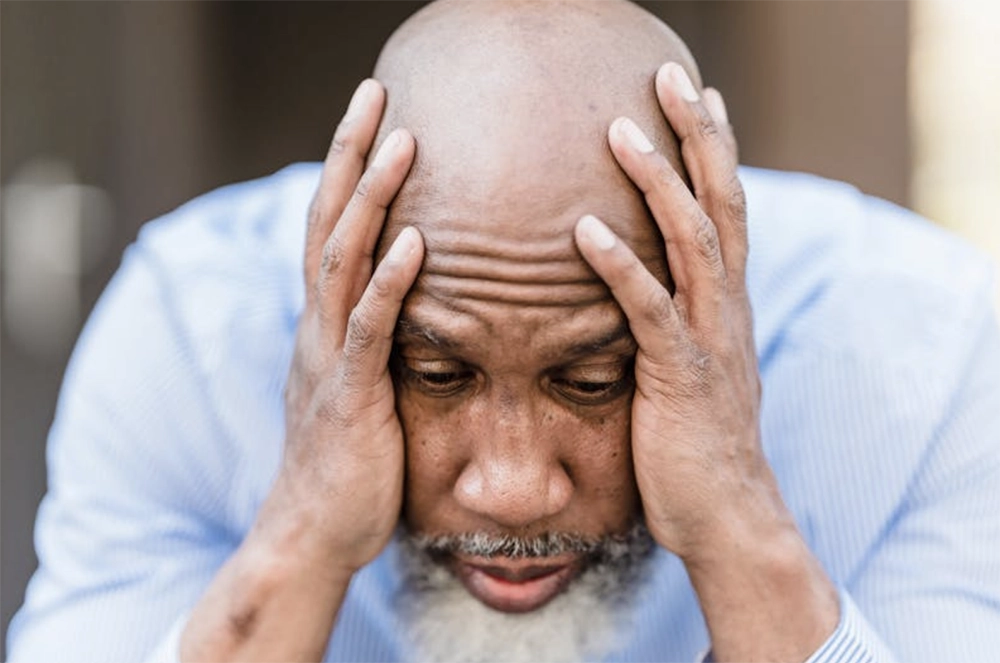
Source: Pexels
Even if you are not ready for medication or procedures, small lifestyle changes can help slow things down. Start here:
1. Prioritize Nutrition
Your hair thrives on nutrients. Make sure your meals include:
- Lean protein
- Iron and zinc
- Healthy fats
- Vitamins A, C, D, and E
A basic supplement can fill the gaps if your diet is inconsistent.
2. Be Kinder to Your Hair
Tight styles and heat tools cause breakage. Loosen up your ponytail. Skip the daily flat iron.
Use mild shampoos, and don’t wash your hair every day. Less stress on your strands = more hair on your head.
3. Manage Your Stress
This one is easier said than done, but it matters. Try walks, meditation, or screen-free downtime to calm your system. High stress equals more hair loss. Period.
4. Keep Your Scalp Clean
A healthy scalp makes it easier for your hair to grow. Avoid product buildup and give your scalp a light massage while washing.
Blood flow helps follicles stay active.
What If You Do Nothing?
Let’s be honest: Hoping your hair will “fix itself” usually leads to disappointment. Hair loss tends to progress if left alone.
By the time it is very noticeable, it gets harder and more expensive to treat. That is why early action is your best shot.
You Are More Than Your Hair, But You Still Deserve Options
Hair does not define who you are. But when losing it affects how you feel, it is okay to care.
What matters is knowing you do not have to sit back and let it happen. With the right combination of expert guidance, healthy habits, and proven treatments, you can slow the progression and maintain your confidence.
Clinics that specialize in hair restoration are working with people in their 20s every day, helping them reclaim their hair and confidence.
Final Takeaway: You Are Not Powerless
If your hair is thinning and you are in your 20s, here is the bottom line:
- You are not the only one.
- It is not your fault.
- You have real solutions available.
The sooner you take action, the more you can protect your hair—and your peace of mind. Do not let it go unchecked. Ask questions, explore options, and take control now.
You deserve to feel like yourself again. And with the right support, you can.
Source: Pexels
- About the Author
- Latest Posts

Our Editorial Team are writers and experts in their field. Their views and opinions may not always be the views of Wellbeing Magazine. If you are under the direction of medical supervision please speak to your doctor or therapist before following the advice and recommendations in these articles.


