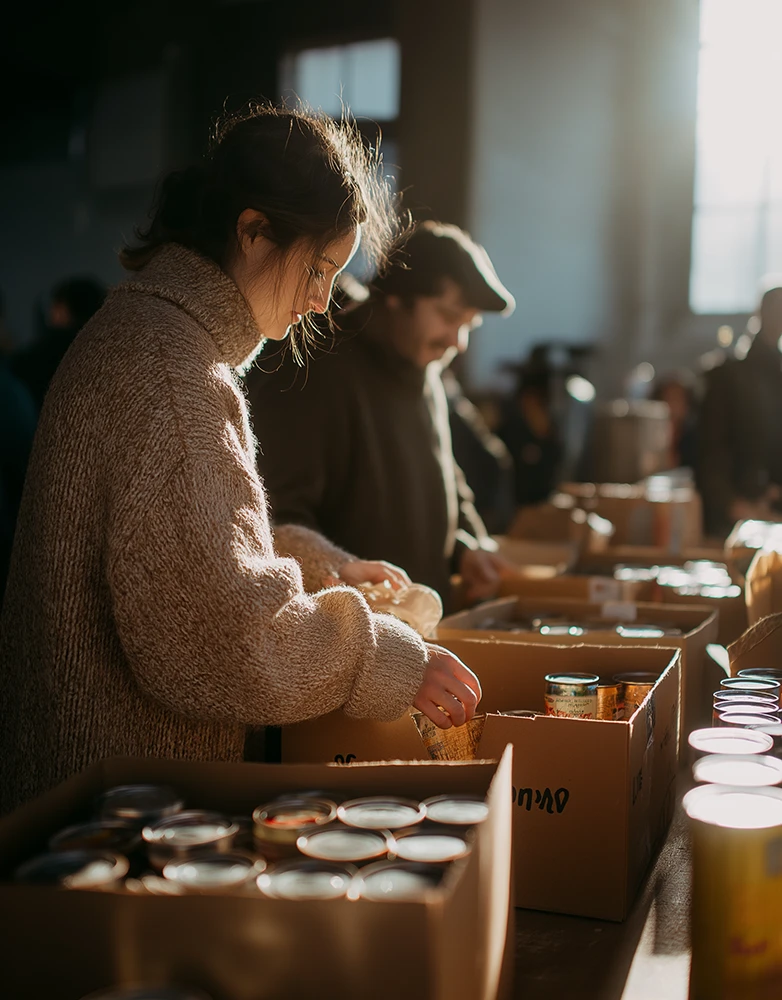
Donating healthy food is a great way to help individuals and families in need. Many people face food insecurity, and your contributions can truly make a difference. Giving not only helps fill empty stomachs; it also promotes good nutrition and builds community. To make a positive impact, it’s important to know how to donate wisely.
Healthy food donations ensure that recipients have access to nutritious options, which can improve their health. Many people want to help but may not know where to start or which foods are best.
Here’s how you can donate healthy food effectively.
Fresh Produce
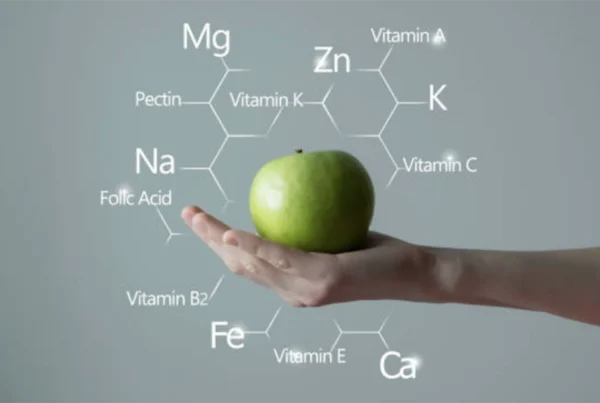
Fresh fruits and vegetables are important for good health. When donating, choose items that are in season and not overly ripe. Pick fruits and vegetables with a longer shelf life, such as carrots, apples, and potatoes, to keep them fresh. Offering a variety of colours helps provide different nutrients.
Consider buying fresh produce from local farmers’ markets or growing it in your garden. Many food banks appreciate locally grown items since they support community agriculture. When donating, pack items together in boxes, mixing different fruits and vegetables for easy distribution.
Food Banks
A food bank is vital to our communities. They connect surplus food from donors to hungry people. Instead of seeing food banks as a last choice, view them as active community centres that encourage generosity and connection. Many food banks also offer programs on nutrition, cooking, and budgeting to help people use their resources wisely.
Donating food is just one way to support a food bank. Many also need volunteers to sort items, help with distribution, or organize events. By getting involved, you can see the positive impact of your contributions on those in need. This helps build community spirit and brings people together for a shared purpose.
Canned Goods
Canned goods are popular in food drives, and for good reason. They last a long time and keep their nutritional value. When selecting canned items, choose those without added sugars or too much sodium. Good options include canned beans, tomatoes, and vegetables packed in their natural juices.
Always check expiration dates to make sure items are still safe to consume. Many food banks prefer bulk donations, so buying larger quantities can benefit you and the food bank. Include a variety of options, as different families have different tastes and dietary needs.
Whole Grains
Whole-grain foods are important for a healthy diet. Items like brown rice, quinoa, whole-grain pasta, and oats provide fibre and essential nutrients. Ensure that the grains are in their original packaging and unopened to keep them safe.
Offering a mix of whole-grain options helps families prepare nutritious meals. For example, pasta and rice can make filling and satisfying meals. Consider providing simple recipe cards with meal ideas for those who may not be familiar with using whole grains.
Protein Sources
Protein is essential for a balanced diet. Donating canned tuna, salmon, chicken, or plant-based proteins like lentils and beans can make a big difference. When selecting canned items, choose those with minimal preservatives or added ingredients.
If you want to donate fresh items, eggs, nuts, or freezer-friendly meats are great choices. Just follow any specific guidelines from the food bank. Some organizations can only accept certain items due to safety rules, so don’t hesitate to ask for clarification.
Non-Perishable Items
Non-perishable foods are great choices for donations because they can last a long time. Items like peanut butter, jelly, and whole grain cereals are practical and popular with food banks. Try to pick products that are less processed, as they usually have fewer added sugars or preservatives.
Packaging is important, too. Grouping similar items can help make the donation process smoother and easier for the food bank to distribute. This keeps items organized and ensures they stay clean and presentable for those in need.
Educating Yourself on Needs
Knowing what your local food bank needs can enhance your giving experience. Many organizations share lists of high-demand items, and reaching out can clarify what they need most at different times. This way, you can match your donations with what will be most useful.
Be aware of seasonal needs, as donations may change throughout the year based on what’s available. Talking to food bank staff can also reveal other ways to support them, such as advocacy and volunteer efforts.
Remember, donating healthy food is a simple yet powerful way to help your community. Each thoughtful contribution adds up, creating a healthier environment for everyone. Generosity not only nourishes those in need but also strengthens the connections that keep communities thriving.