Can I travel to amber list countries with my children?
After what can only be described as an extremely trying 18 months, it is entirely understandable that most people are keen for a holiday abroad. The…
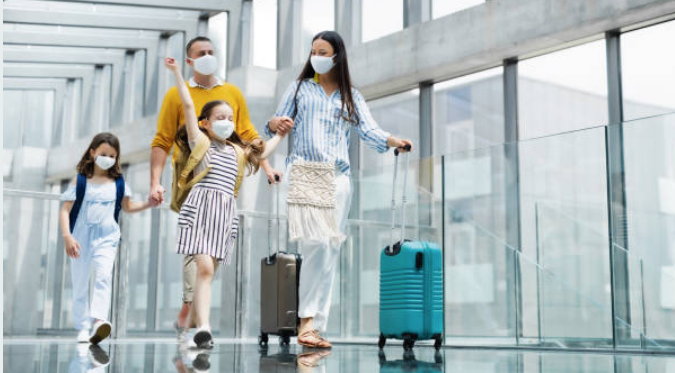
After what can only be described as an extremely trying 18 months, it is entirely understandable that most people are keen for a holiday abroad.
The pandemic has resulted in significant changes in the way we have to live our lives, not least the constraints placed on our freedoms and the ability to travel across the country and overseas. The restrictions have resulted in people not being able to visit their home countries, and children being prevented from seeing relatives for over a year.
As the summer holidays creep closer, together with the recent delay in the easing of COVID-19 restrictions, the question mark over travel abroad is becoming more pronounced.
Hannah McCrindle, divorce and family associate at Stewarts, discusses the position on overseas travel for separated couples with children, family law insights and how to obtain consent to travel overseas.
 Hannah McCrindle[/caption]
Government guidance
Currently, government guidance states that non-essential travel is not allowed to amber list countries. While it is possible to visit the limited green list countries, to visit an amber list country for essential travel, the following must be adhered to: Before you travel to England you must:- Take a COVID-19 test
- Book and pay for day 2 and day 8 COVID-19 travel tests – to be taken after arrival in England
- Complete a passenger locator form
- Quarantine at home or in the place you are staying for 10 days
- Take a COVID-19 test on or before day 2 and on or after day 8
- You may only be able to end quarantine early if you pay for a private COVID-19 test through the Test to Release scheme.
The standard position on overseas travel
If you are a parent looking to take your child abroad, either permanently or for a holiday, consent must be granted from everyone with parental responsibility, which usually includes the other parent. The only exception to this is when one parent has the benefit of a Live With Order, via a Child Arrangement Order. In this case, that parent can remove the child from the jurisdiction for up to one month without the consent of anyone else holding parental responsibility. However, for anything over one month, consent is required. This is the position in both current COVID and non-COVID times.Issues from a family law perspective
When it comes to current amber restricted travel, separated parents face difficulty as in the majority of situations, both parents have to consent for a child to be removed from the country. COVID-19 has increased anxiety levels for many people, and there are several reasons why a parent might not feel comfortable with their child travelling to an amber listed country and may not consent, including:- Concern about their child’s health
- The parent is uncomfortable with their child travelling on a non-essential basis
- Concern over going against government guidance with amber list travel
- The need to quarantine on return could disrupt schooling
- Quarantining on return could impact the contact they are due to have with the non-travelling parent
Hannah McCrindle[/caption]
Obtaining consent
The best way to minimise issues and to avoid a last-minute court application, is to keep the lines of communication open with your co-parent and to obtain written consent prior to booking any trip. The following recommendations may assist with obtaining consent while the amber travel restrictions are in place:- Be open and honest about where you plan to travel, who you plan to see, where you will stay and discuss how you intend to keep your child safe as this may alleviate any fears.
- Consent can always be withdrawn, so having an open discussion about any anxieties/concerns may minimise the chances of this occurring.
- Discuss quarantine restrictions and how that may affect upcoming contact with your co-parent, or school, and plan together how any time missed can be made up.
Filed underAnxiety, Connection, Family & parenting