Picture this. You are staring at a catalog full of random swag, trying to pick a “thank you” gift that will not end up in a junk drawer. Your people want to feel seen, not handed another trinket. One study found that 63% of people would rather receive no gift than a poorly chosen one.
That is brutal, but honest. The good news is that comfort-focused gifts, especially blankets, hit a very different emotional note. They say, “We actually thought about you,” in a way a plastic water bottle never will.
Advanced strategies for corporate gifting cozy blankets
Once the basics are working, you can start treating blankets as a core piece of your recognition system instead of a once‑a‑year perk. For global teams, adjust materials and weights so people in different climates get something they can actually use. For growing companies, it helps to create a simple “gifting playbook” so new managers know when and how to send blankets without asking for permission each time.
Seasonal themes keep things fresh. A winter wellness campaign might pair blankets with a short note about rest and mental health. A big product launch might tie a limited design to the story of what the team built together. As programs mature, some companies move from generic throws to branded mink blankets for special tiers of recognition, reserving them for big milestones or leadership awards.
To make decisions easier, here is a quick comparison of common gift options.
| Gift type | Typical lifespan of use | Emotional impact level | Waste risk | Best use case |
| Branded mugs | 6 to 12 months | Low to medium | High | Large trade shows |
| T‑shirts | 6 to 18 months | Medium | Medium | Events and casual team swag |
| Gift cards | One time | Medium | Low | Spot bonuses |
| Cozy blankets | 2 to 5 years | High | Low | Milestones and core recognition |
With a clear picture of how blankets stack up, teams can move from guessing to planning.
The corporate gifting revolution with cozy blankets
Once, gifting was mostly about stacking up cheap, p-branded items. Now the corporate gifting market sits at $919.94 billion in 2025 and is projected to grow 8.28% annually through 2033. Budgets are shifting toward gifts that feel personal and are actually used.
At the same time, remote and hybrid work means employees often feel physically and emotionally distant. A soft throw on the back of a chair or couch becomes a daily reminder of where they belong. That is one reason 40% of corporate gifts and branded merchandise end up in a landfill, while comfort items stick around much longer.
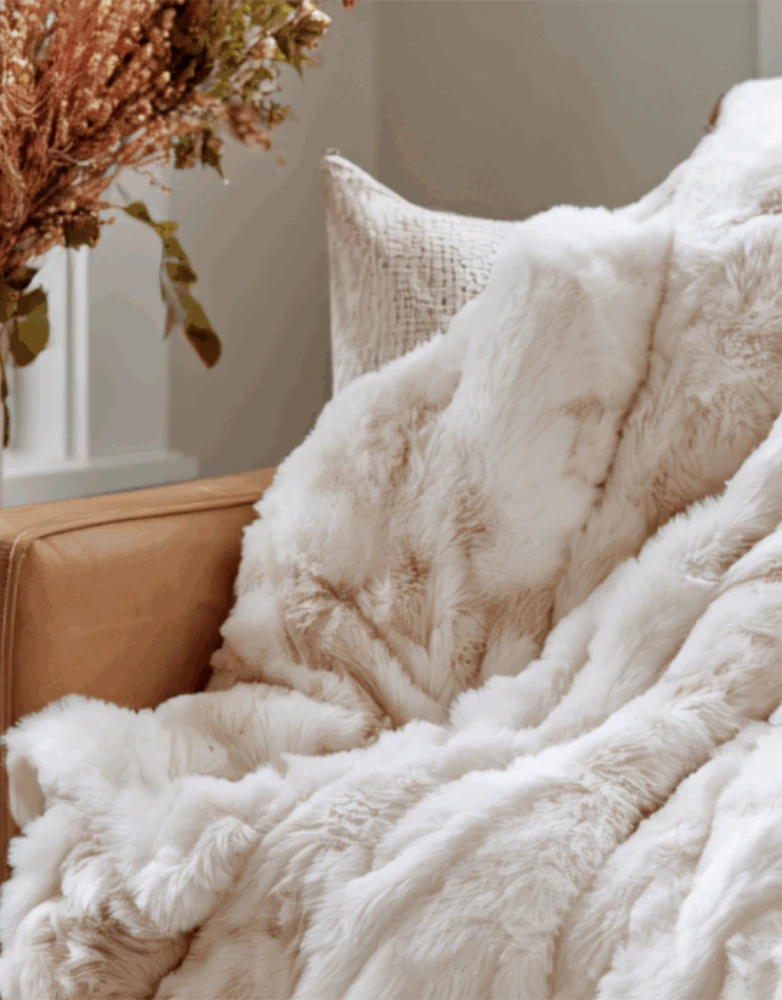
Blankets also fit modern values. People want practical, sustainable items, not clutter. When a company sends a cozy blanket that looks good in a living room and works for Sunday naps, it becomes part of the home, not just the job. With that context in mind, it makes sense to talk about how to use corporate gifting cozy blankets as a real strategy, not just a seasonal afterthought.
Why timing matters for cozy corporate gifts
Once you see blankets as relationship tools, timing is the next big decision. Many teams default to year‑end gifting, but that is only one touch point. Research shows 31% say that not receiving a holiday gift would nudge them toward exploring new job opportunities, so skipping that moment carries a real cost.
New hires and natural milestones
Welcome packs for remote hires are a perfect place to start. A blanket arriving in the first week pairs well with laptop kits and HR paperwork, and it quietly says, “We want you here for the long haul.” Work anniversaries and major project wins are also ideal times. If you map those events on a simple annual calendar, you quickly spot where one thoughtful blanket could replace three forgettable items.
Quiet, low morale periods
Blankets shine when morale dips. Think post‑holiday slump, mid‑year fatigue, or after a tough quarter. A surprise delivery with a short note about rest and appreciation can change the tone of a whole week. HR teams who track sentiment surveys and Slack chatter can use those insights to time small “comfort drops” when people need them most.
With timing dialed in, the next piece is what the blanket actually looks and feels like.
Psychology-driven design choices that connect
Design is where a blanket stops feeling like swag and starts feeling like something people curl up with every night. Visuals matter more than many buyers realize. One study found customers are 23% more likely to purchase when product visuals spark emotional comfort instead of technical admiration. The same principle holds for gifting.
Color, texture, and brand feel
Color psychology is simple but powerful. Navy and deep blue shades suggest trust and reliability, cream and oatmeal shades feel calming, and charcoal gives a professional, modern look that works in most homes. Pay attention to texture as well. Some teams prefer ultra plush, others want smoother, lighter throws that work in warmer climates. Photos you share internally should show the blanket in real spaces, not sterile product shots, so stakeholders can picture it in their own homes.
Personal but not loud
Branding should feel like a quiet nod, not a billboard. Small embroidery in a corner, tone‑on‑tone logos, or initials paired with a subtle company mark work well. A short printed card with a personal message from a manager often lands harder than a bigger decoration on the fabric. The goal is a blanket people would have chosen for themselves that just happens to be tied to your brand story.
Thoughtful design is important, but most HR and culture leads are still wrestling with budgets.
Budget smart sourcing without losing comfort
The fear is real: “If we pick blankets, do we blow the whole budget?” In practice, shifting toward one great item often saves money over the year. Many teams quietly spend more than they think on a mix of random items plus admin time. Careful sourcing can change that picture fast.
Looking at real ROI, not just sticker price
A good range for quality blankets is similar to other premium gifts, but the difference is in how long they stay in use. When a $70 blanket gets used weekly for years, the cost per touch is tiny. Compare that with the hidden bill for unused swag, storage, and disposal. Add in the retention upside, and the math looks even better.
Working with suppliers like real partners
Strong supplier relationships matter here. Getting quotes from a few vendors, asking about slow-season pricing, and grouping orders across departments can all bring per‑unit costs down. Many suppliers will help with kitting, storage, and on‑demand shipping, which cuts your internal labor costs as well. Once sourcing is under control, you can focus on how people actually receive the gift.
Distribution that makes gifting feel special
Even the best blanket can feel flat if it arrives in a beat‑up box with no context. The unboxing moment is part of the gift. For remote teams, home delivery with tracking lets you coordinate a small reveal during a virtual meeting. For office teams, managers can hand out packages in a brief team huddle.
Simple touches help. Branded tissue paper, a short handwritten note, or a care card with washing tips show care without big extra spending. After delivery, you can share a short post in your internal channels, inviting photos of “how your blanket is being used.” That keeps the energy going while still feeling organic.
All of this is easier if you are clear on how you are judging success.
Measuring whether blanket gifting is working
Gifting should not be a mystery line item. Before you start, set a few simple goals and decide how you will check progress. You do not need a fancy dashboard, just a consistent way to compare before and after.
Hard numbers worth watching
Look at retention rates in teams that receive blankets compared with similar teams that do not. Track changes in engagement surveys in the quarter after gifting. Keep an eye on Employee Net Promoter Score and internal referral rates as well. Even a small shift in turnover can justify the entire program, given how costly hiring is.
The softer side of impact
Numbers are only part of the story. Pay attention to how often the gift shows up in casual feedback, one‑on‑ones, and stay interviews. Photos of colleagues using the blankets in home offices, comments in Slack, and shout‑outs in town halls are all signals that the blanket is doing its quiet job in the background. If the response feels flat, that is useful data too and helps you tweak timing, design, or messaging next round.
Common questions about cozy blanket gifting
How often should a company send cozy blankets to staff
Once a year, for most people,e is plenty, with extra blankets reserved for major milestones or promotions. The idea is to make the gift feel special, not routine. Add small, low‑cost items in other seasons.
Do blankets work for both remote and on-site employees
Yes, because comfort at home matters for everyone. Remote staff use them in home offices, while on-site employees often keep them on chairs or bring them home. The key is clear messaging about why they are receiving it.
What sizes are best for corporate gifting cozy blankets
Throw size works for most teams because it fits both couches and chairs. Larger sizes are nice for high-tier gifts or family-oriented campaigns. If in doubt, pick the size most people can use without needing extra storage space.
How can we keep branding subtle but still noticeable
Use tone-on-tone embroidery in a corner or a small woven label instead of a giant print. Then put your story and thanks in the note card. People will see the brand without feeling like advertising.
Final Thoughts
Thoughtful gifts are no longer “nice to have,” they are quiet signals of how a company really feels about its people. When chosen and timed well, corporate gifting cozy blankets turn recognition from a quick email into something employees feel every time they curl up on the couch.
In a work world that can feel cold and scattered, that kind of daily warmth is hard to ignore. The question is not if blankets work, but how soon you want those connections to start growing.
- About the Author
- Latest Posts

Our Editorial Team are writers and experts in their field. Their views and opinions may not always be the views of Wellbeing Magazine. If you are under the direction of medical supervision please speak to your doctor or therapist before following the advice and recommendations in these articles.