<strong>Dental Braces and Retainers: Different Types</strong>
When people have a beautiful smile, they undoubtedly tend to feel confident. However, the hard truth is that more than 4 million people worldwide are…
When people have a beautiful smile, they undoubtedly tend to feel confident. However, the hard truth is that more than 4 million people worldwide are unsatisfied with their smiles and choose to correct them. The reasons to do so may vary from person to person. Having an overbite (buck teeth), underbite (lower teeth overlap upper teeth), an open bite (a visible gap between upper and lower teeth), or overcrowding teeth are all factors that contribute to dental correction.
In such scenarios, you can opt for an orthodontic consult if you need braces. A good orthodontist can make the most difference in your dental care journey. They help the patient understand the treatment process in detail, leaving no amount of doubt. Apart from that, their skill set and expertise make the process smoother, and they will strive to make you feel comfortable. But that's not all! Today, there are various dental braces and retainers to choose from according to your needs and comfort:
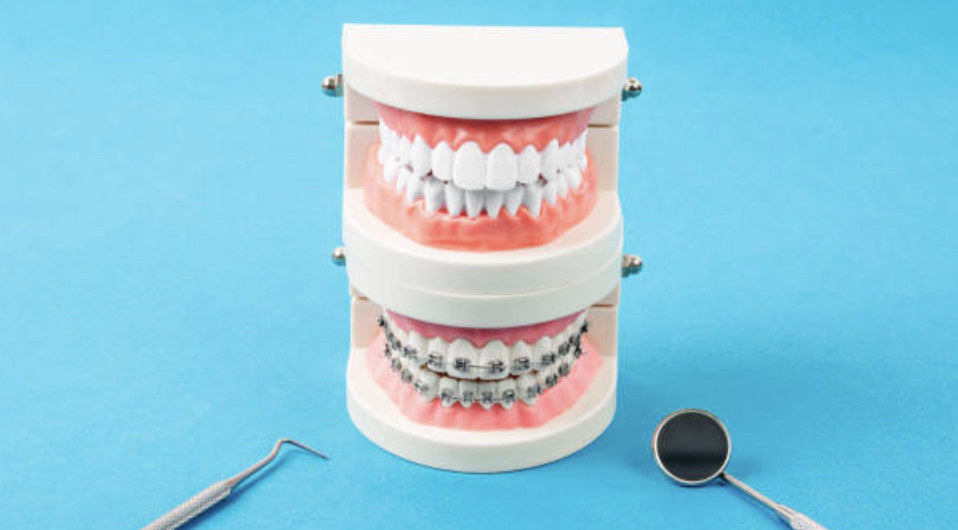
Metal Braces: These traditional braces have been around for a long time and are the most common type of braces. The metal wire is tied around using elastic ties. This wire helps align the teeth, and you can choose the color of the elastic ties.
Hawley Retainers: Retainers are used after the patient's braces are removed, so the teeth don't return to their original position. Hawley retainers are tongue-shaped retainers made with acrylic and metal wires commonly used to hold the teeth in place.
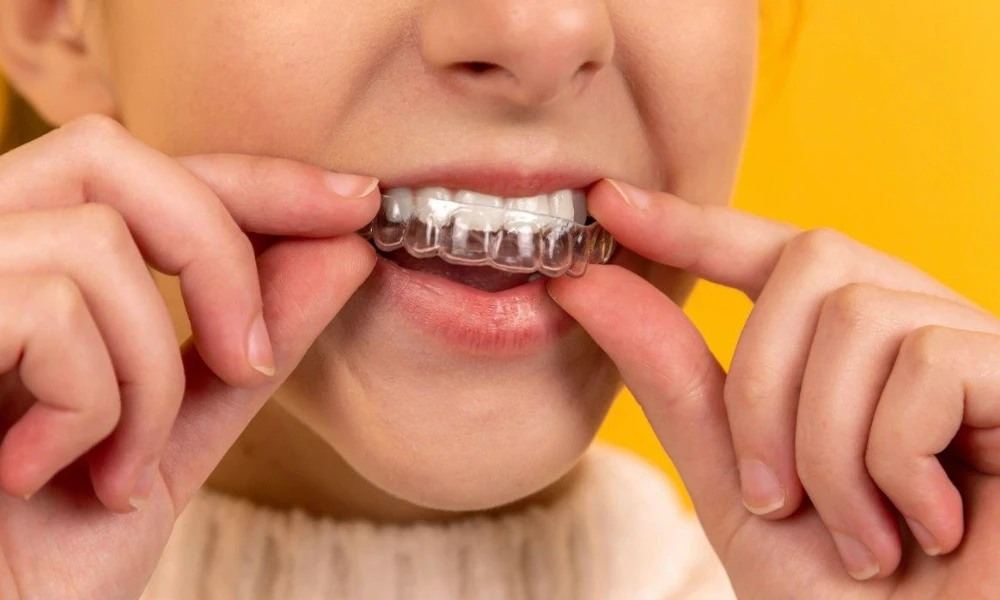
Clear Aligners: Invisalign or clear aligners are an excellent option for people who had braces when they were young or who have mild to moderate alignment issues. The clear plastic retainer helps to keep the teeth in shape.
Lingual Braces: These braces are not standard in the market of orthodontic systems as it is not a part of the training given to the orthodontist. It is a skill that needs to be developed or learned by the orthodontist on their own. These braces lie behind the teeth and are the traditional metal braces that offer complete invisibility.
Ceramic Braces: These braces are made of clear and tooth-colored material. They are similar to Invisalign and lingual braces in discretion but don't offer complete invisibility. They are less noticeable and provide a better alternative to metal braces.
Fixed Bonded Retainer: The orthodontist takes a precautionary measure when they believe the teeth will try to move back to their original position once they are removed. These braces are made of metal wires bonded at the back of the teeth and offer invisibility like lingual braces. Unlike other retainers, you cannot take them off.
Final Thoughts:
If you need braces, retainers, or any other dental care, getting the best orthodontist is essential. More than that, it is vital to be aware of treatment options and research what choices you can make. Prioritizing your requirements and making you feel relaxed and comfortable is something a good orthodontist does. Make sure to choose after you've done enough research and consulted with your trusted dentist.
Filed underDental