
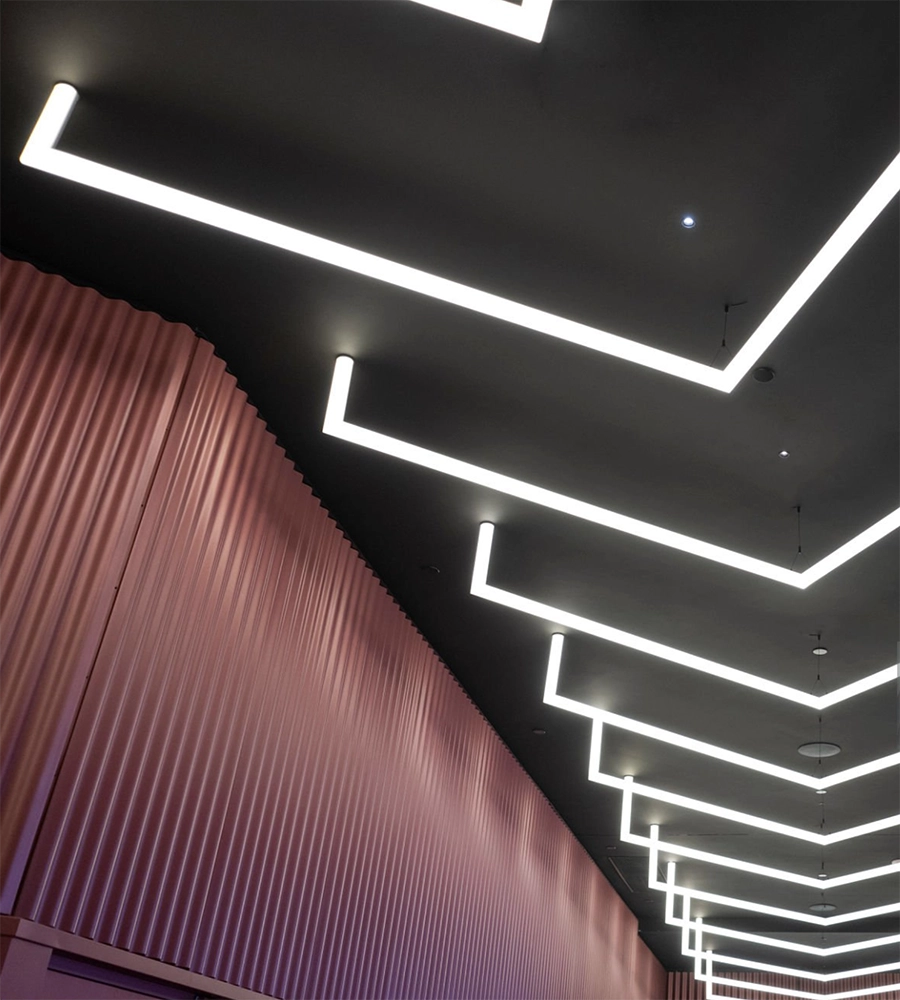
Effective industrial lighting design is crucial for workplace safety, productivity, and cost management. In factories, warehouses, and commercial spaces, the right lighting solution ensures optimal visibility while reducing energy consumption. Businesses must consider efficiency, durability, and cost-effectiveness when choosing lighting solutions to meet operational needs.
Modern advancements in industrial lighting have introduced energy-saving solutions that lower utility costs and improve working conditions. Whether selecting industrial-style lighting for warehouses or implementing commercial, industrial lighting in production facilities, companies can benefit from sustainable solutions that enhance both functionality and aesthetics.
Key Components of Industrial Lighting Design
Light Distribution and Placement
An effective industrial lighting design ensures even light distribution across a workspace. Poor lighting placement can create shadows, glare, or dark zones, reducing productivity and increasing safety risks. A well-planned layout ensures consistent brightness throughout the facility.
Workspaces with high ceilings, such as warehouses and factories, require specialised lighting solutions that prevent light loss. High-bay lighting, for example, provides focused illumination that reaches floor level without excessive glare. Low-bay lighting ensures the right balance between brightness and coverage for lower ceilings.
Color Temperature and Visibility
Lighting colour temperature impacts visibility and worker comfort. A temperature range of 4000K to 5000K is ideal for industrial lighting, as it mimics natural daylight, reducing eye strain and increasing alertness. Facilities that rely on precision tasks, such as manufacturing or quality control, benefit from lighting solutions that enhance contrast and detail.
Industrial-style lighting with warm tones may be appropriate for areas where ambience matters. Offices, meeting rooms, and employee rest areas often incorporate softer lighting to create a comfortable atmosphere while maintaining efficiency.
Energy Efficiency and LED Technology
Energy consumption remains a primary concern for businesses, making LED solutions the preferred choice for commercial industrial lighting. LED lights offer significant cost savings compared to traditional incandescent or fluorescent options. They consume less power, generate less heat, and have a longer lifespan, reducing maintenance and replacement costs.
Implementing LED solutions in industrial lighting design lowers operational expenses and reduces the environmental impact of excessive energy consumption. Many businesses are switching to LEDs to comply with sustainability initiatives and government regulations on energy efficiency.
Strategies for Cost-Effective Industrial Lighting
Adopting Smart Lighting Controls
Intelligent lighting systems help businesses optimise energy use by automating brightness levels based on occupancy and activity. Motion sensors, timers, and dimming controls reduce unnecessary energy consumption, especially in low-traffic areas such as storage rooms and hallways.
Smart controls also extend the lifespan of industrial lighting fixtures by reducing unnecessary wear and tear. By incorporating adaptive lighting solutions, businesses ensure efficient use of resources while maintaining workplace safety and functionality.
Utilising Natural Light Sources
Maximising natural light reduces reliance on artificial illumination during daytime hours. Skylights, large windows, and strategically placed reflective surfaces help distribute daylight throughout industrial spaces. Designing workstations near natural light sources in facilities with open layouts improves employee well-being and reduces electricity costs.
Combining natural and artificial industrial lighting design ensures an optimal balance between energy efficiency and functionality. Businesses can invest in daylight-responsive lighting systems that adjust brightness levels based on available natural light, further optimising energy use.
Regular Maintenance and Upgrades
Even the most energy-efficient lighting systems require periodic maintenance to maintain optimal performance. Dust accumulation, damaged wiring, or outdated components can reduce lighting efficiency and increase energy consumption. Regular inspections and upgrades ensure that industrial lighting systems remain in peak condition.
Businesses should evaluate the performance of their lighting solutions and replace outdated fixtures with modern, high-efficiency alternatives. Investing in updated industrial-style lighting solutions improves workplace aesthetics and enhances long-term savings through better performance and reduced maintenance needs.
Types of Industrial Lighting Solutions
High-Bay and Low-Bay Lighting
High-bay lighting is used in spaces with ceilings above 20 feet, such as factories and warehouses. It provides intense illumination that reaches the floor level without excessive glare. On the other hand, low-bay lighting is designed for spaces with lower ceilings, typically under 20 feet. Both options ensure uniform brightness in large facilities.
Task Lighting for Precision Work
Specific industries require precise lighting for detailed tasks. Laboratories, production lines, and assembly areas benefit from specialised task lighting that provides focused brightness. Adjustable LED task lights enhance worker efficiency and prevent eye fatigue.
Explosion-Proof Lighting for Hazardous Environments
Industries dealing with flammable materials, chemicals, or hazardous conditions require explosion-proof lighting solutions. These fixtures are designed to prevent sparks or overheating, ensuring compliance with safety standards. Specialised industrial lighting design for these environments prioritises both security and efficiency.
Emergency and Backup Lighting Systems
Industrial facilities must have reliable emergency lighting in case of power outages or safety hazards. Battery-powered backup lights ensure continued visibility in critical areas, helping employees evacuate safely or continue operations with minimal disruption.
Benefits of Energy-Efficient Industrial Lighting
Lower Operational Costs
Investing in high-efficiency commercial industrial lighting reduces energy bills and minimises maintenance expenses. Businesses that switch to LED technology see long-term financial benefits through lower electricity consumption and reduced fixture replacement.
Improved Workplace Productivity
Proper industrial lighting design enhances visibility and safety, reducing workplace accidents and improving employee performance. Well-lit environments increase productivity by reducing eye strain and improving focus.
Environmental Sustainability
Energy-efficient lighting solutions reduce carbon footprints, contributing to corporate sustainability efforts. Many businesses adopt LED and smart lighting systems to comply with environmental regulations and promote eco-friendly practices.
Better Aesthetics and Brand Image
Modern industrial-style lighting improves functionality and enhances aesthetics. Businesses that invest in high-quality lighting create professional, well-maintained work environments, reinforcing a positive brand image.
How to Choose the Right Industrial Lighting Design
A facility’s specific needs determine its selection of the right lighting system. When choosing industrial lighting solutions, businesses should assess energy efficiency, maintenance requirements, and workplace functionality.
High-bay LED lighting ensures even distribution for large warehouses, while smaller offices may benefit from stylish industrial-style lighting fixtures that complement the space. Companies should also consider smart lighting systems that adapt to usage patterns, maximising efficiency while minimising waste.
Before purchasing, businesses should consult lighting professionals to assess the best options for their facility. A well-planned industrial lighting design guarantees long-term savings, improved working conditions, and regulatory compliance.
Conclusion
Implementing an energy-efficient industrial lighting design strategy benefits businesses by reducing costs, enhancing productivity, and promoting sustainability. Whether upgrading to LED technology, integrating smart lighting controls, or optimising natural light use, businesses can achieve long-term savings while improving workplace conditions.
For companies investing in commercial industrial lighting, choosing the right fixtures ensures an optimal balance between efficiency and functionality. With advancements in LED technology and smart lighting solutions, modern industrial spaces can achieve high-performance illumination while maintaining energy efficiency.