Finding Natural Balance: Exploring Non-Intoxicating Wellness Products
In today's hectic environment, many people are looking for natural solutions to balance and improve well-being without drugs.

In today's hectic environment, many people are looking for natural solutions to balance and improve well-being without drugs. Several natural health products that help the body and mind in mild, non-psychoactive ways have emerged from this transition. These products target wellness aficionados who value clarity, serenity, and vigour with herbal infusions and novel cannabinoids. These goods' relaxing and helpful effects are worth exploring on the path to natural balance, especially for holistic health enthusiasts.
A new cannabinoid wave
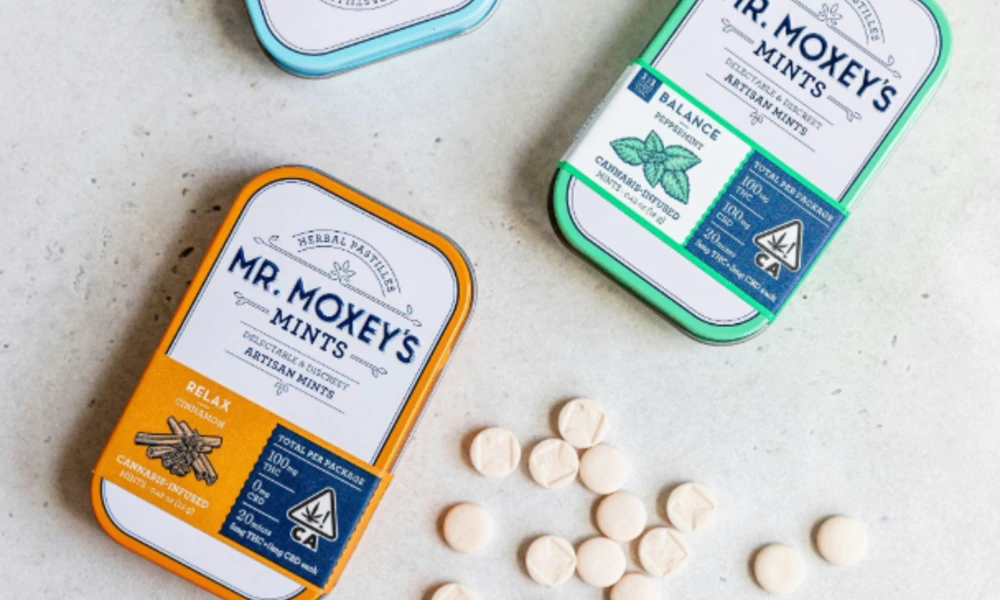
Wellness products abound in cannabis-based ingredients. The most well-known cannabinoid is tetrahydrocannabinol (THC), although lately, non-intoxicative substitutes have attracted more attention. One such mildly affecting chemical is hexahydrocannabinol (HHC). For people who prefer the wellness advantages of cannabinoids without the euphoric symptoms, HHC provides a softer, cleaner sensation than THC. Emerging studies and user stories point to HHC's potential to help with relaxation, stress release, and attention enhancement, presenting it as a useful tool in wellness programs.
Non-intoxicating cannabinoids broaden natural well-being by offering options for various requirements and lifestyles. HHC shows how natural products can promote well-being and productivity in an age of balance. Along with HHC, CBD, CBG, and CBN offer non-intoxicating relaxing, pain reduction, and sleep therapies. They expand wellness options for non-traditionalists.
Botanical allies for harmony
Beyond cannabinoids, botanicals are at the centre of the health movement, delivering centuries-old natural therapies, like ashwagandha, chamomile, and turmeric which help health regimens. Ashwagandha, an adaptogenic plant, regulates cortisol to alleviate stress. Chamomile, known for its calming effects, aids sleep. Turmeric's anti-inflammatory effects help muscles and joints recuperate.
These botanicals are easy to incorporate into daily life and complement other wellness practices. Many people use ashwagandha or chamomile to relax before bed. Turmeric in lattes, drinks, and supplements boosts antioxidants for active people. Botanicals are gentle but beneficial for holistic wellness due to their adaptability and compatibility with the body's natural cycles.
Mindfulness improves wellness from within
Wellness items are strong, but genuine balance requires thoughtful habits to build inner serenity and resilience. Yoga, meditation, and breathwork are easy ways to relax, clear the mind, and reduce stress. These techniques boost flexibility, strength, and lung capacity while promoting inner peace and control. Mindfulness in daily life can change how people handle stress and turn problems into learning opportunities.
Lifestyle practices can also promote wellness. Quality sleep, frequent exercise, and proper nutrition help preserve equilibrium. These practices and natural wellness products like HHC or botanical supplements create a holistic well-being plan. Prioritising physical and mental health helps people establish a sustainable wellness strategy that suits their needs and aspirations.
Discovering Natural Therapies for Holistic Health
Many individuals seeking natural wellness options often turn to professional support to tailor their routines. Websites like naturaltherapypages.com.au offer resources for finding qualified practitioners who specialize in holistic health therapies. From acupuncture and massage to energy healing and aromatherapy, these experts help guide individuals toward natural remedies that can enhance overall well-being.
Future of natural wellness
As more people seek holistic health remedies, non-intoxicating wellness products may grow. New studies and advancements illuminate cannabis and botanicals' potential benefits. This growth reflects a cultural change towards personalised self-care that respects individual preferences and requirements. The wellness business will soon release items that improve physical and mental health, supporting balance and well-being.
Conclusion
Wellness can be achieved without intoxicants through cannabinoids like HHC, botanicals, or mindful living. It enriches one's body and mind by balancing, energising, and connecting. These non-intoxicating solutions let people naturally manage their health and stay present while navigating life. Mindful decisions and natural remedies make balance rewarding and achievable.
Photo by Louis Hansel on Unsplash
Filed underStress & burnout, Acupuncture, Massage, Breathwork, Meditation & mindfulness, Yoga & Pilates, Reiki & energy healing, Herbal medicine, Rest & rejuvenation, Sleep, Calm