
Formulation Factors That Shape A Better Natural Soap Line
A natural soap line can lose customer trust when bars feel inconsistent, scents fade too quickly, or colors change after production. These issues usually…
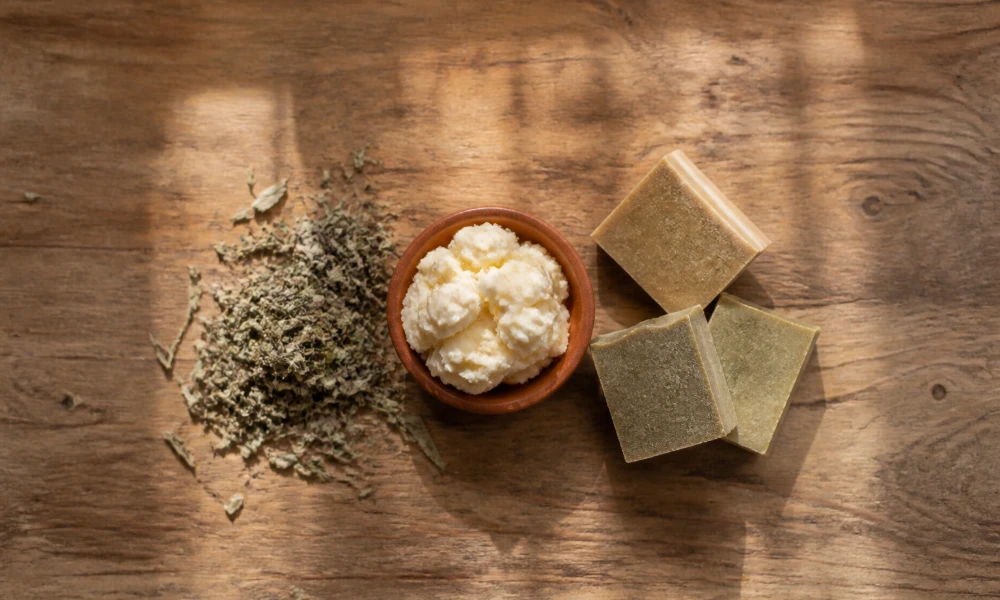
A natural soap line can lose customer trust when bars feel inconsistent, scents fade too quickly, or colors change after production. These issues usually begin at the formulation stage, where each oil, butter, fragrance, and additive affects the finished bar. Careful formulation helps create soap that feels pleasant, looks polished, and performs reliably.
A strong customized soap formula should connect ingredient choices with the purpose of the product. A calming facial bar may need a gentle oil blend, while an exfoliating body bar may need a carefully measured botanical additive. This article explains the formulation factors that help shape a better natural soap line.
Choose Oils And Butters With A Clear Purpose
Oils and butters influence hardness, lather, glide, conditioning feel, and cleansing strength. Shea butter, cocoa butter, jojoba oil, hempseed oil, and similar plant-based ingredients each bring a different feel to the finished bar. A balanced formula avoids a bar that becomes too soft, too drying, or too slow to cure.
Match Essential Oils With Product Goals
Essential oils should do more than add a pleasant scent. Their strength, scent retention, and skin suitability need review before final use. A lavender-forward bar may suit a calming product line, while citrus notes may need careful handling because some lighter scents fade faster.
Keep Scent Levels Practical
Fragrance strength should match the soap’s purpose and daily use. A heavy scent can feel overpowering in a facial or sensitive-skin bar. A lighter scent may work better when the goal is a clean, simple, natural profile.
Select Natural Colorants Carefully
Natural colorants help build a soap line’s visual identity, but they must remain stable through production. Clays, herbs, oxides, and micas can affect appearance, texture, and customer perception. Each color choice should be tested in the actual formula because oils and additives can change the final shade.
Test Texture Before Final Approval
Colorants and botanicals can slightly change the feel of the bar. Finely ground ingredients may create a smoother finish, while coarser materials may feel too rough for some uses. Testing helps confirm that visual appeal does not reduce comfort.
Use Additives Only When They Add Value
Natural soap formulas can include herbs, clays, exfoliants, and specialty oils, but every added ingredient needs a clear role. Too many additives can make the formula harder to control. A cleaner ingredient list is easier to explain, easier to produce, and easier for customers to understand.
Useful formulation checks include:
- Confirm each additive supports the product’s purpose.
- Review how botanicals affect texture and appearance.
- Test exfoliants for comfort on wet skin.
- Check scent balance after curing.
- Make sure colorants stay visually consistent.
Review Prototype Batches Before Scaling
Prototype batches help identify formulation problems before larger production begins. They allow review of scent strength, bar hardness, lather quality, color stability, and overall finish. This step is especially important for a customized soap line because small ingredient changes can affect the full batch.
Plan Formulas Around Production Needs
A strong formula must work in real production, not only in a small sample batch. Ingredient availability, measurement accuracy, curing needs, and packaging fit all matter before final approval. Practical planning helps reduce delays, waste, and reformulation after production has started.
Production-focused checks include:
- Confirm ingredient measurements are repeatable.
- Review curing time before launch planning.
- Check bar size, shape, and packaging fit.
- Keep formula records clear for future batches.
- Test the finished bar after storage.
Choose A Natural Soap Manufacturer With Formulation Expertise
A skilled natural soap manufacturer can help refine oils, butters, scents, and additives. Expert formulation support can also improve stability, curing, and batch consistency. This helps create a natural soap line with reliable quality as production grows.
A better natural soap line comes from formulation choices that are tested, purposeful, and easy to repeat. Oils, butters, essential oils, colorants, and additives should work together without making the formula difficult to control. Careful formulation helps create natural soap that feels consistent, looks appealing, and supports long-term customer confidence.