









From Kidney Failure to Recovery: How Fitness, Friendship and a Life-Saving Transplant Gave Ben a Second Chance
-
- December 22, 2025

At just 24 years old, Ben, now 36 and from Maidenhead, was diagnosed with IgA nephropathy, a rare and progressive kidney disease that can quietly lead to kidney failure. Although he initially felt well, a sudden and dramatic increase in fluid retention signalled that something was seriously wrong. Within a week, Ben had gained over a stone in weight, with visible swelling in his legs and abdomen — symptoms that ultimately led to his diagnosis.
For over a decade, Ben managed his condition while building a career around fitness, health and personal training. But twelve years later, his kidney function deteriorated to just 7%, placing him in end-stage kidney failure. Faced with the prospect of lifelong dialysis or a kidney transplant, Ben’s once active lifestyle was replaced with chronic exhaustion and declining health.
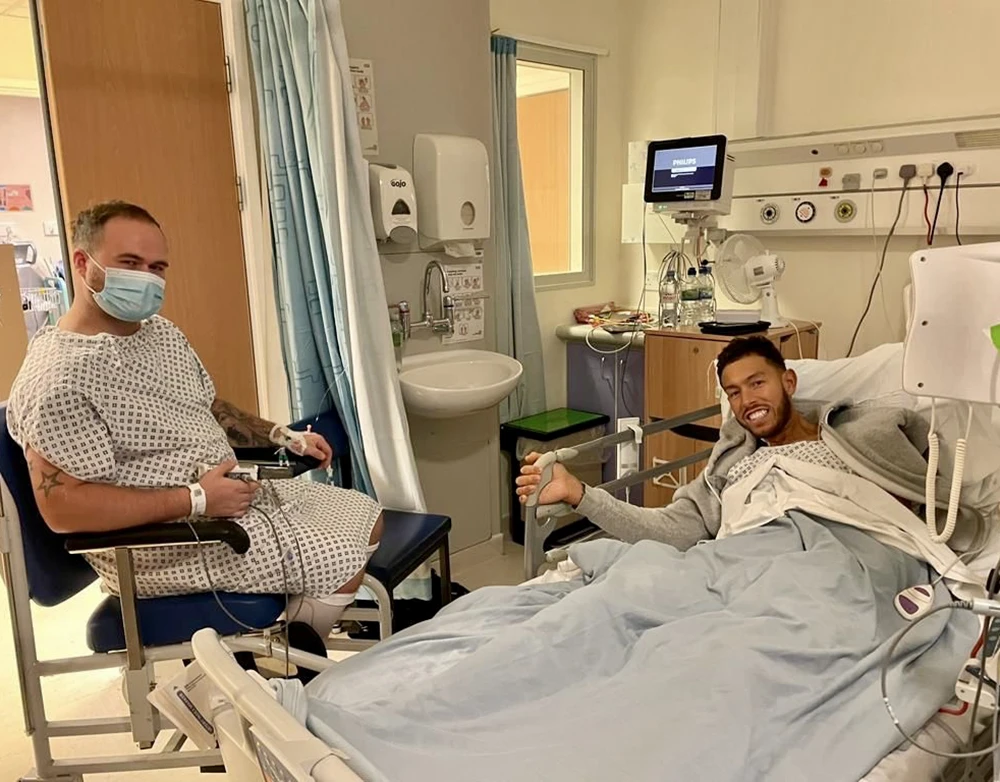
A Life-Saving Gift: Living Kidney Donation from a Cousin
Just as dialysis became inevitable, Ben’s lifeline arrived in the form of his cousin and best friend, Matt, who offered to become a living kidney donor. This selfless act would ultimately save Ben’s life.
In the months leading up to the transplant, Ben relied heavily on exercise for his mental health and emotional resilience:
“Up to three weeks before the transplant I was still training four to five times a week. It gave me one hour a day to escape the fear and uncertainty. My routine kept me grounded even when my kidney function was dangerously low.”
Despite physical limitations, maintaining light resistance training and cardiovascular exercise helped Ben manage anxiety and retain a sense of identity during an intensely uncertain time.
Recovery Through Movement and Mindset
Post-transplant, Ben credits his return to fitness as a crucial part of his physical and mental recovery. Just days after surgery, he was walking laps of the hospital ward. Within weeks of returning home, long daily walks became part of his routine. Once medically cleared, Ben gradually reintroduced gym training — building slowly, steadily and safely.
Today, he trains six days a week for 90 minutes at a time, stronger than ever. His message to others living with chronic illness is clear:
“People with long-term illness often write themselves off — but for me, health and fitness were the key to recovery.”
A Bond Strengthened by Organ Donation
The transplant transformed more than Ben’s health — it reshaped his relationship with Matt forever. Last year, Ben proudly stood as best man at Matt’s wedding, a moment he describes as deeply emotional.
“When I see Matt, the respect and gratitude I feel is indescribable. Every good thing in my life now exists because of his decision.”
Ben openly shares that before the transplant, he had reached a dark emotional place, struggling with self-worth and hope for the future. Matt’s act of living organ donation became the turning point that reignited Ben’s belief in life.

Looking Ahead: British Transplant Games and Raising Awareness
https://www.transplantactive.co.uk/Today, Ben continues to work in the fitness industry and is training to compete in the British Transplant Games next July, representing St Bartholomew’s Hospital, London, alongside his consultant surgeon.
His goal is simple but powerful:
“I want to show people that extraordinary things are possible, regardless of any health condition.”
Ben is also helping raise awareness for the Make Your Mark campaign, led by Kidney Research UK and Give a Kidney, which launches later this year. The campaign aims to increase understanding of living kidney donation and inspire more people to consider becoming donors.
The Urgent Need for Kidney Donors in the UK
Currently, six people die every week in the UK while waiting for a kidney transplant. Thousands more remain on the transplant waiting list, many facing years of dialysis and declining quality of life.
Living kidney donation can dramatically reduce wait times and save lives — as Ben’s story so powerfully demonstrates.
Ben is supporting the Make Your Mark campaign from Kidney Research UK and Give a Kidney. For more information please visit www.donateakidney.co.uk
- About the Author
- Latest Posts

Our Editorial Team are writers and experts in their field. Their views and opinions may not always be the views of Wellbeing Magazine. If you are under the direction of medical supervision please speak to your doctor or therapist before following the advice and recommendations in these articles.


