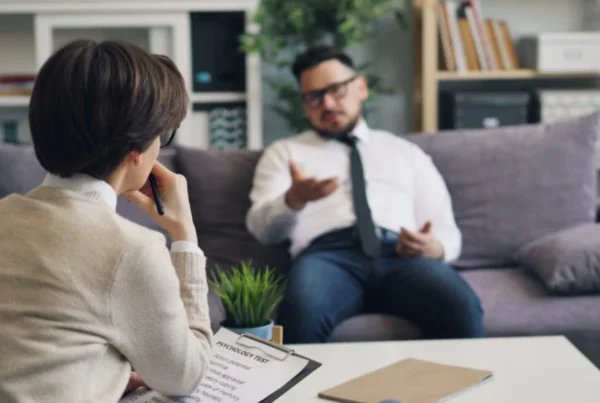
Everyone encounters challenges in daily life. Whether it’s work-related pressure, family responsibilities, financial concerns, or unexpected setbacks, stress is an inevitable part of the human experience. While we can’t always control the situations we face, we can choose healthier ways to respond to them.
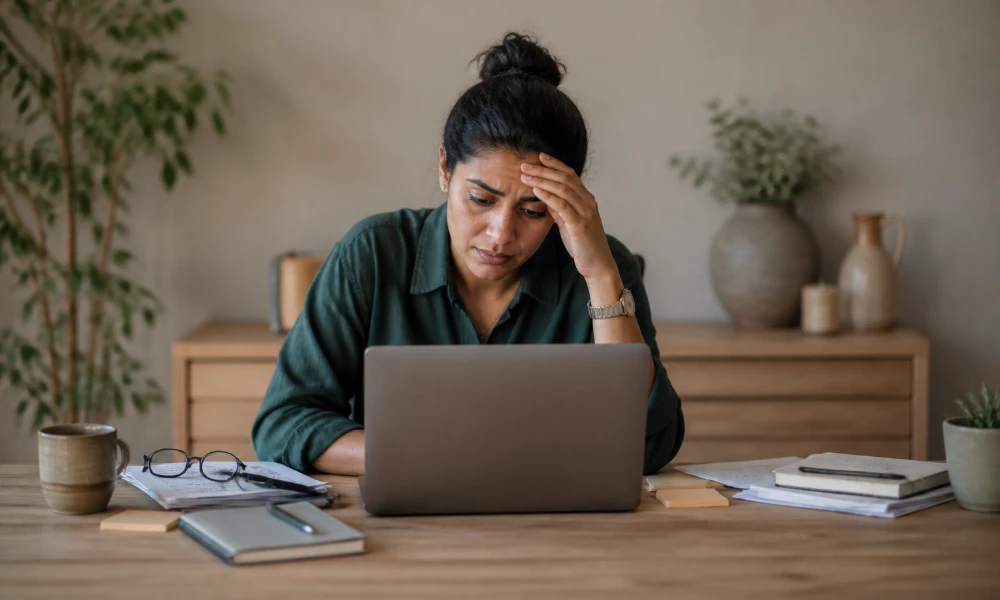
Developing positive coping strategies not only helps us manage difficult moments but also supports our long-term mental and physical wellbeing. Over time, these habits can make everyday challenges feel more manageable and improve our overall quality of life.
Recognise What You’re Feeling
The first step in coping with any challenge is acknowledging your emotions rather than ignoring them. It’s normal to feel frustrated, anxious, disappointed, or overwhelmed from time to time.
Taking a moment to identify what you’re experiencing can make it easier to respond thoughtfully instead of reacting impulsively. Journalling, talking to someone you trust, or simply pausing to reflect can help you better understand your thoughts and emotions.
Prioritise Physical Wellbeing
Looking after your body has a significant impact on your ability to cope with stress. Regular exercise, balanced nutrition, adequate sleep, and staying hydrated all contribute to better emotional resilience. Even small changes, such as taking a short walk during the day or maintaining a consistent sleep schedule, can improve your mood and help you think more clearly when facing challenges.
Build a Strong Support Network
You don’t have to handle every difficulty alone. Friends, family members, colleagues, and community groups can all provide encouragement, practical advice, or simply a listening ear. Talking through problems often helps put them into perspective and reminds you that support is available when you need it.
Develop Healthy Ways to Manage Stress
Different coping strategies work for different people. Some find relaxation through meditation or deep breathing, while others prefer creative hobbies, reading, gardening, or spending time outdoors. The key is finding activities that genuinely help you relax without creating additional problems later. Healthy coping habits are sustainable and contribute positively to your wellbeing.
Avoid Unhealthy Coping Mechanisms
When stress becomes overwhelming, it’s understandable that people may look for quick ways to escape uncomfortable feelings. However, relying on unhealthy behaviours, such as excessive alcohol consumption, misuse of prescription medication, or other substances, can make problems more difficult over time.
If you find yourself increasingly dependent on unhealthy coping methods, seeking professional guidance can be an important step. Speaking with a healthcare professional or an experienced addiction rehabilitation provider can help you explore healthier approaches and access appropriate support if needed. Recognising when you need help is a sign of self-awareness and strength, not weakness.
Focus on What You Can Control
Many sources of stress involve situations that are outside our control. Rather than becoming overwhelmed by uncertainty, it can be helpful to focus your attention on the aspects you can influence. Breaking larger problems into smaller, manageable tasks often makes them feel less intimidating and provides a greater sense of progress.
Give Yourself Permission to Rest
Modern life often encourages constant productivity, but rest is an essential part of maintaining good mental health. Taking regular breaks, enjoying hobbies, and spending time with loved ones can help restore your energy and improve your ability to cope with future challenges. Rest should be viewed as an important investment in your wellbeing rather than something that needs to be earned.
Building Resilience One Step at a Time
Healthy coping strategies are developed gradually through everyday choices and consistent habits. By recognising your emotions, looking after your physical health, maintaining supportive relationships, and seeking help when necessary, you can build greater resilience for whatever life brings.
- About the Author
- Latest Posts

Our Editorial Team are writers and experts in their field. Their views and opinions may not always be the views of Wellbeing Magazine. If you are under the direction of medical supervision please speak to your doctor or therapist before following the advice and recommendations in these articles.