
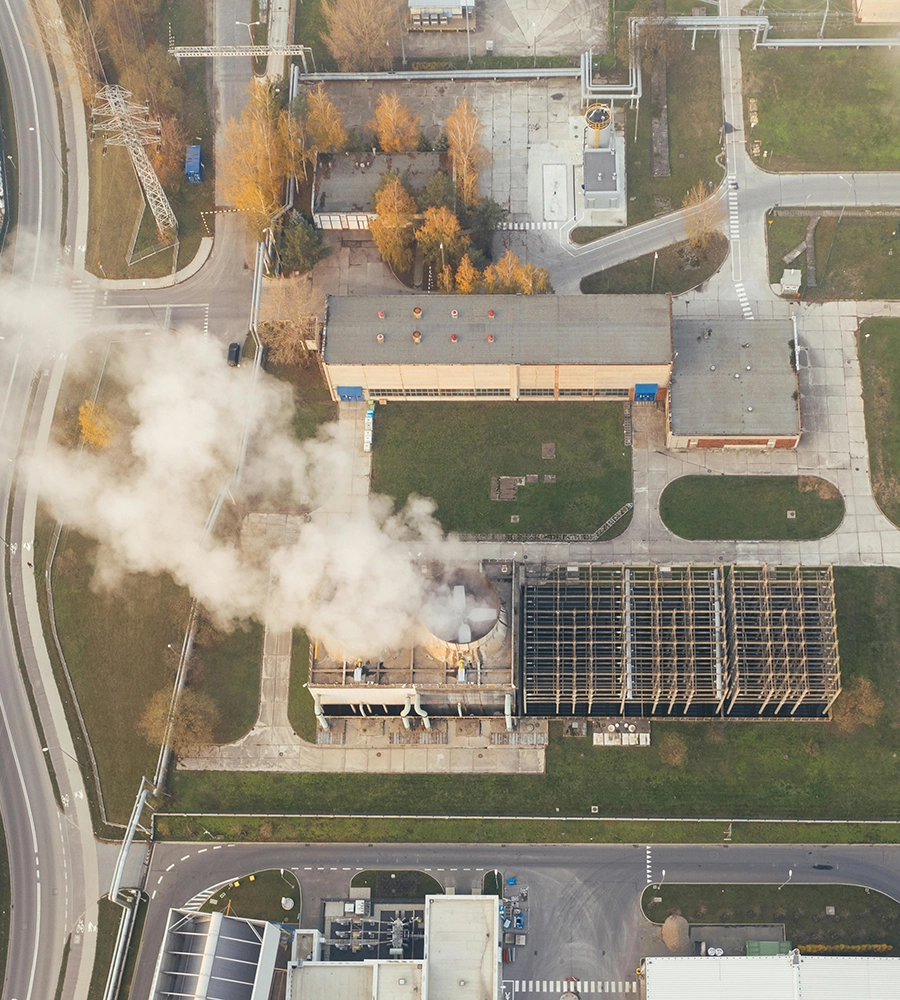
A poor air quality environment makes asthma more difficult to control and hazardous. Knowing about your surroundings is critical to breathing more easily every day.
Few people think about air pollution, except when trapped behind a bus or passing a construction site. For those living with asthma, however, their air is a matter of living and breathing and whether they can do so comfortably and safely. Coughing attacks and even full-blown asthma attacks all stem from poor air quality and it’s a health hazard as opposed to a mere annoyance.
Asthma is an ongoing condition that leads to narrowing and inflammation in the airways. For people with asthma, even small amounts of pollutants can be triggers. As increasing numbers of people reside in heavily populated cities, the problem is more salient than ever.
Every Day Exposure
Small airborne particles might be invisible to you but surround everyone continuously. They comprise nitrogen dioxide (from exhaust), sulphur dioxide (from fossil fuel combustion), ozone (formed by sunlight reacting with pollutants) and delicate particulate matter (PM2.5 and PM10), all of which can irritate the lungs and worsen asthma symptoms.
These pollutants irritate the lining of the airways and increase their sensitivity so that even minimal exposure to additional triggers such as dust, pollen and exercise becomes an asthma trigger. Long-term exposure to poor air leads to more frequent asthma attacks and greater medication use to maintain symptoms under control.
For others, particularly those who cope with asthma daily, it’s advantageous to keep a constant stockpile of their medication inhalers handy. That’s why so many individuals now look for ways how to order Ventolin online in the UK so as never to be caught short at the wrong moment. Of note is that all medication prescriptions must be subject to an online consultation with a registered prescriber to guarantee safety and appropriateness.
The Invisible Danger Indoors
When people hear about air pollution, they automatically think about car exhaust and factory smoke. Indoor air is equally as dangerous, actually more so in some instances. Household irritants in your home include scented candles, mould spores, cleaners and pet dander. If they aren’t ventilated correctly, these toxins can accumulate and become stuck in the house.
People with asthma are especially affected in inadequately ventilated areas. Simple precautions such as using an air purifier, regularly dusting using nontoxic cleaners and providing good air circulation throughout the house are likely helpful.
What Happens on High Pollution Days?
Air quality changes daily and even hourly. During high-pollution days, people with asthma might see increased symptoms even with little physical activity. Monitoring local air quality indices (AQIs) is crucial, as they provide real-time data and health advisories.
Reducing outdoor activity, particularly exercise, is sensible if an area has high pollution levels. You should also coordinate travel and commute times to avoid peak traffic periods and minimise exposure to car exhaust.
Preventive action is essential; many individuals always use a preventer or reliever inhaler. Online pharmacies offer greater convenience now, but remember: any prescription request must be preceded by an online consultation with a registered prescriber, which is proper for you.
Long-Term Impacts on Lung Health
Whereas short-term exposure is likely to induce asthma attacks, prolonged exposure to contaminated air might result in deteriorating lung capacity in the long term. Children with asthma are most at risk because their lungs have yet to develop fully and, hence, are more prone to injury from environmental factors.
Numerous studies have indicated that individuals who reside near roads or industrial facilities have higher chances of developing severe asthma, taking more medication and frequent hospital admissions. Shortness of breath is just part of it; prolonged exposure leads to irreversible lung harm.
Public health officials want more action—cleaner transportation, more environmentally friendly urban planning and tighter emission regulations—to shield populations who are already living with chronic illnesses such as asthma.
Controlling Asthma Proactively
Having asthma requires being mindful about your surroundings at all times, but it does not have to result in living in fear. You can minimise chance reactions by knowing your triggers and taking specific steps to minimise exposure. Easy routines such as staying housebound on hazy days, wearing a mask during allergy season and keeping a notebook charting symptoms all assist.
Inhalers, preventers or relievers continue to form a mainstay of any asthma treatment plan. With online health services, staying current with medication is easier than ever. Nevertheless, it cannot be emphasised enough that all medication prescriptions are subject to an online consultation with a registered prescriber. This allows each treatment plan to be safe and effective and based on individual needs.
A Breath of Fresh Air is Possible
While you have no say over the air outside, you have a say over how you react. Awareness, planning and expert opinion are critical aids in asthma management. As society becomes more aware of environmental health, it is hoped that fresher air is in everyone’s future, especially those who need it most.
Individuals with asthma can maintain active and productive lifestyles, one breath at a time, by being aware and taking action daily to minimise exposure.
Key Takeaways
Air pollution can make asthma worse, even if you can’t see it
Polluted air contains tiny particles from cars, factories and other sources that can irritate the lungs and trigger asthma symptoms. This includes gases like nitrogen dioxide and ozone, as well as fine dust. Checking daily air quality and limiting outdoor activity on bad air days helps reduce your risk.
Indoor air can also be a hidden danger for people with asthma
Things like mould, pet hair, scented candles and cleaning sprays can pollute the air inside your home. To stay safe, open windows for ventilation, use air purifiers and choose non-toxic cleaning products. Keeping your home clean and fresh makes a big difference for your breathing.
Planning ahead and using medication properly keeps asthma under control
Always keep your inhaler close, especially on high-pollution days. Preventer and reliever inhalers are important tools, and with online consultations, it’s now easier to get them safely from licensed UK online prescription services and pharmacies Managing asthma means knowing your triggers, using your medication correctly and making smart choices about where and when you go outside.
Source: pexels.com
- About the Author
- Latest Posts

Our Editorial Team are writers and experts in their field. Their views and opinions may not always be the views of Wellbeing Magazine. If you are under the direction of medical supervision please speak to your doctor or therapist before following the advice and recommendations in these articles.