How Couples Can Handle Conflict Without Hurting Their Relationship
When your relationship is good, it’s like you and your favorite person are on the same wavelength. However, when a small disagreement turns into a…

When your relationship is good, it’s like you and your favorite person are on the same wavelength. However, when a small disagreement turns into a full-blown fight, it can feel like the person you love most is your biggest enemy. That can leave you wondering how things went sideways so quickly.
Fortunately, you can disagree and feel hurt but still protect what you have. You just have to know how to handle heated moments without letting it damage the relationship. Here’s how you and your partner can do it.
Listen to Understand, Not to Win
When both partners are focused on proving their point, the conversation can become a competition. You plan your next defense before you even hear your partner’s words. Practice effective communication with your partner through active listening.
Listen to understand what they need, not to create a comeback in your head. If your partner’s upset because they felt neglected, ask what made them feel that way instead of immediately explaining your side. Feeling heard can lower tension and make it easier to resolve a fight.
Have a “Us vs. the Problem” Mindset
A disagreement can quickly become a “you versus me” scenario. It’s better to treat the conflict as a shared problem you face together as a team. Think of the issues as something you both need to figure out. Ask, “How can we fix this?” instead of “Why do you always do this?” A team mindset reduces stress in a relationship and reminds you both that the goal is a healthier relationship, not winning.
Give Each Other Space to Cool Down
When emotions run high, continuing the conversation can make both partners more defensive. It might be best to give each other time to settle down before you hear each other again. If you feel things escalating during a fight, ask for a break.
Provide a clear plan or timeline for when you will return to the conversation. You might say, “I need time alone to calm down. I’ll come to you in 15 minutes.” Use the break to breathe or take a walk. Clear your head while also thinking about what your partner was trying to say and how you can resolve the issue together. When you return, you’ll be calmer and more ready to listen.
Acknowledge Your Part in the Conflict
It’s easy to focus on what your partner did wrong when you’re upset. However, blaming hurts relationships deeply because it can make the other person feel attacked. Look honestly at your own actions, too. If you snapped during an argument, apologize for your tone. If you forgot an anniversary, admit it. Being humble enough to say, “I should have handled that differently” can change the direction of a conversation.
Get Outside Support When You’re Stuck
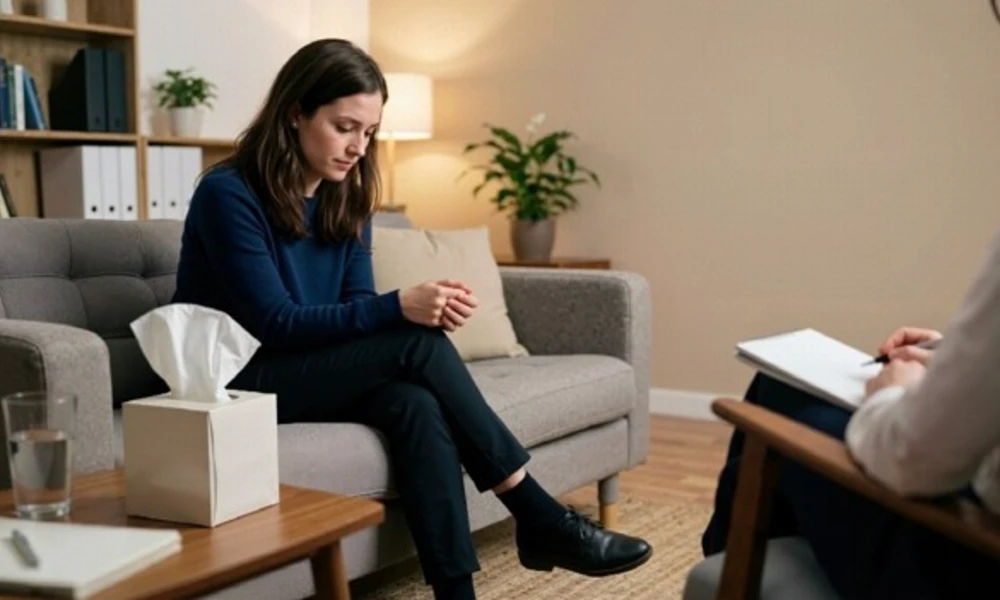
Some couples keep circling the same argument without finding a way forward. If every conversation ends in the same place, it might be time to seek professional guidance to work through the issue.
Look for a reputable, local therapist who is convenient for both of your schedules and easy to reach. If you live in Manhattan, for example, searching for couples therapy NYC locals trust can help you find options close to home or work. Choose someone you both feel comfortable talking to. Getting support early can help you spot recurring patterns in your fights and give you a healthier way to handle difficult conversations as a couple.
Endnote
The tips above make disagreements safer for you and your partner. When you slow down heated moments and stay on the same team, you can find your way back to each other after conflict.
Filed underConnection