How Missing Teeth Can Affect More Than Just Your Smile
Losing a tooth can seem like a problem limited to appearance, but the effects can extend to eating, speaking, oral function, and the health of surrounding…
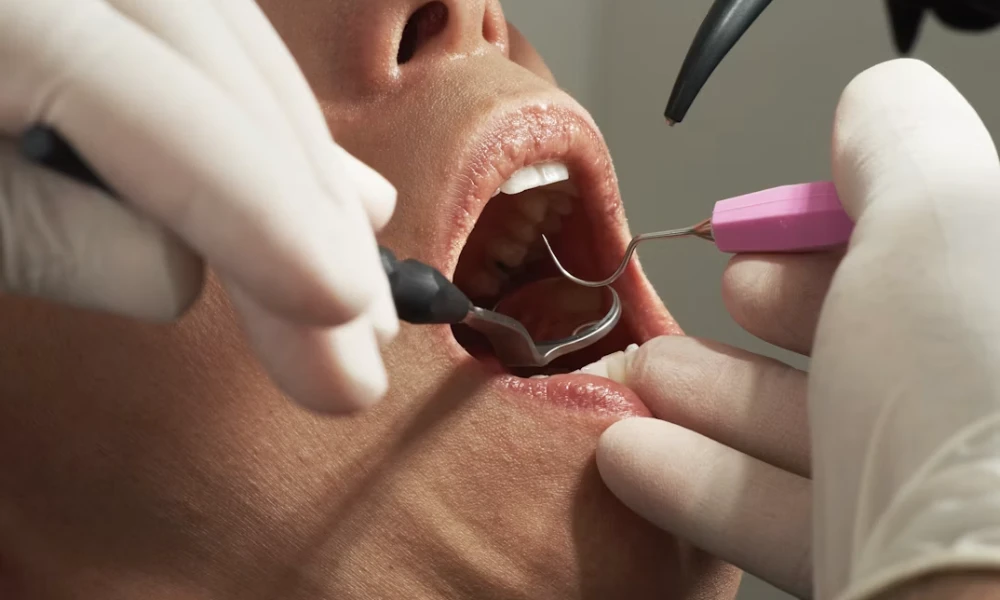
Losing a tooth can seem like a problem limited to appearance, but the effects can extend to eating, speaking, oral function, and the health of surrounding structures. Patients in San Jose, California, who want to learn about dental implants and other options for replacing missing teeth can visit www.sanjabidds.com for information about restorative dental care and available treatment options. Understanding what can happen after tooth loss helps explain why replacing missing teeth may be an important part of maintaining long-term oral health and everyday wellbeing.
Missing Teeth Can Change the Way You Eat
Teeth work together to bite, tear, and grind food into manageable pieces before swallowing. When one or more teeth are missing, chewing can become less efficient, particularly when molars or other teeth responsible for grinding have been lost. Some people respond by chewing mainly on the opposite side of the mouth or avoiding foods that have become difficult to manage.
These changes can gradually influence the variety of foods a person feels comfortable eating. Raw vegetables, nuts, meats, and other firmer foods may become less appealing when chewing causes discomfort or requires extra effort. Restoring missing teeth can provide a more balanced chewing surface and make everyday meals easier to manage.
Nearby Teeth Can Begin to Shift
Each tooth occupies a specific position within the dental arch, and neighboring teeth help maintain that arrangement through regular contact. When a tooth is removed or lost, the teeth beside the resulting space may gradually tilt, rotate, or drift toward the opening. These movements can alter spacing and change the way the upper and lower teeth meet.
The opposing tooth can also move because it no longer makes normal contact with a tooth during biting and chewing. As alignment changes, new spaces or awkward angles may develop that make brushing and cleaning between the teeth more difficult. Replacing a missing tooth can help maintain the space and support a more stable arrangement of the remaining teeth.
Tooth Loss Can Affect the Jawbone
The jawbone surrounding a natural tooth is maintained partly through the stimulation created during normal biting and chewing. After a tooth is lost, that area no longer receives the same stimulation through the tooth root. As a result, gradual changes in bone volume can occur around the empty space.
Bone changes are not identical for everyone, and factors such as oral health, age, and the length of time a tooth has been missing can influence what happens. Bone quantity and quality are especially relevant when dental implants are being considered because an implant needs sufficient support within the jaw. A dental examination and appropriate imaging can help determine the condition of the bone and guide treatment planning.
Remaining Teeth May Face Additional Pressure
Losing a tooth changes how biting and chewing forces are distributed across the mouth. Remaining teeth may begin carrying more of the workload, especially when a person consistently favors one side while eating. Over time, this uneven distribution can contribute to additional wear or place greater demands on existing fillings, crowns, and other restorations.
The effect can become more noticeable when several teeth are missing or when tooth loss occurs in areas that normally handle substantial chewing forces. A changing bite may also make certain teeth contact sooner or more heavily than they previously did. Evaluating the bite allows a dentist to identify these changes and consider ways to restore a more balanced distribution of pressure.
Speech Can Be Affected by Tooth Loss
Teeth play a practical role in speech because the tongue, lips, and teeth work together to produce particular sounds. Missing front teeth can change how air moves through the mouth and how the tongue contacts surrounding surfaces during pronunciation. The extent of the difference depends on which teeth are missing and how a person naturally forms words.
Some people adapt quickly, while others may notice persistent changes in clarity or become more conscious of how they speak. This can be especially noticeable in professional or social situations where clear communication is important. Restoring missing teeth may provide the tongue and lips with more familiar surfaces and support normal speech patterns.
Tooth Loss Can Influence Everyday Confidence
A visible gap can affect how comfortable someone feels when smiling, laughing, speaking, or appearing in photographs. People may begin covering their mouth, smiling less openly, or feeling more aware of their teeth during conversations. Although everyone responds differently to tooth loss, these small behavioral changes can influence everyday social experiences.
Confidence is not purely about appearance, since difficulty eating or speaking can also make someone feel self-conscious in public settings. Restaurant meals, meetings, celebrations, and conversations may feel different when a person is constantly thinking about an uncomfortable or incomplete smile. Addressing tooth loss can therefore involve restoring practical function while also helping someone feel more comfortable using their smile naturally.
Tooth Replacement Should Be Individually Planned
Several approaches may be considered when replacing missing teeth, including dental implants, bridges, and removable dentures. The most appropriate option depends on factors such as the number and position of missing teeth, gum health, available bone, existing dental work, and individual preferences. What works well for one person may not necessarily be the most suitable solution for another.
A thorough dental assessment allows these factors to be considered before a treatment plan is recommended. Dentists can examine the remaining teeth, evaluate supporting tissues, review imaging when appropriate, and discuss the advantages and limitations of available options. This individualized approach helps ensure that treatment addresses function, oral health, appearance, and long-term maintenance rather than simply filling an empty space.
Looking Beyond the Gap
Missing teeth can influence far more than the appearance of a smile, affecting chewing, alignment, jawbone, speech, bite forces, and everyday comfort. Because many of these changes can develop gradually, it is easy to adapt to them without realizing how much oral function has changed over time. Seeking professional advice after tooth loss can help identify suitable replacement options and support the health, stability, and function of the mouth for years to come.
Filed underDental