Thousands of restaurants worldwide are already serving sous vide products. That number tells you something important about where the industry is heading.
Do restaurants use sous vide? The answer is yes, and they’re doing much more than just experimenting. Smart restaurant operators have figured out how to use sous vide food to serve gourmet-quality dishes while cutting labor costs, reducing waste, and getting food to tables 50% faster than traditional cooking methods.
What Makes Restaurant Sous Vide Different
Sous vide restaurant operations work differently than what most people imagine. You’re not talking about chefs standing around with immersion circulators cooking individual steaks to order. That’s home cooking territory.
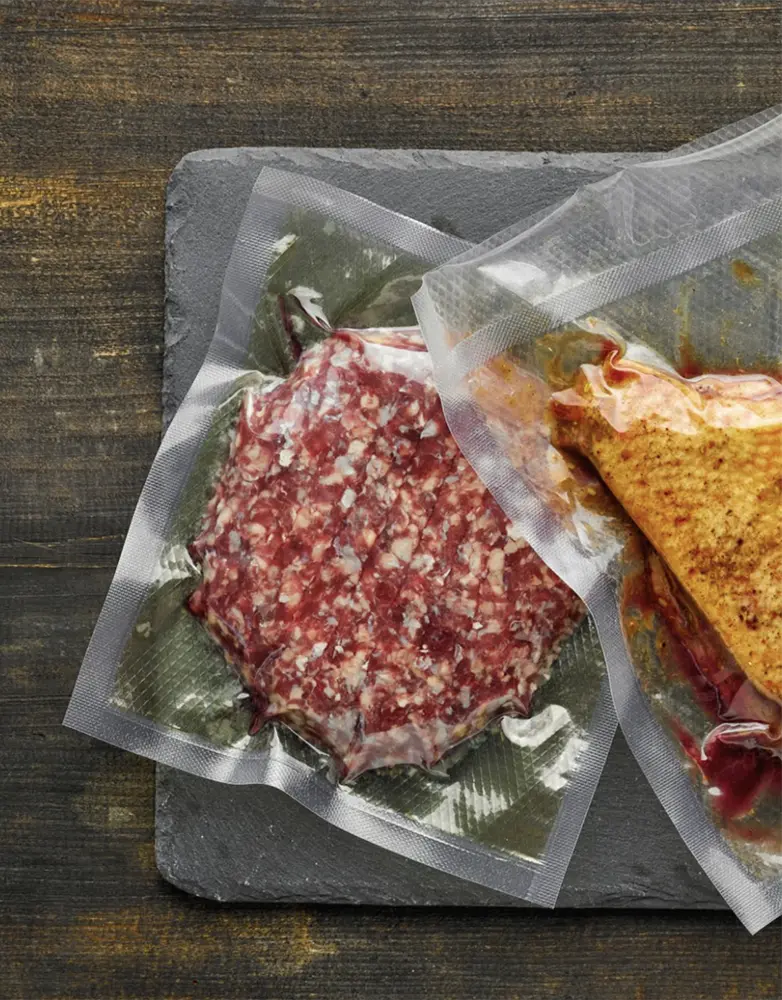
Commercial sous vide food comes pre-cooked from specialized suppliers. The technique involves sealing ingredients in airtight packages and cooking them in precisely controlled water baths. When done at scale, this creates consistent results that individual restaurants could never achieve on their own.
The benefits of sous vide cooking in commercial kitchens come from three main factors: consistency, efficiency, and flexibility. Every portion comes out exactly the same. Staff can plate dishes immediately after reheating. And the same base ingredient can be finished dozens of different ways.
How Restaurants Actually Use Sous Vide Food
Walk into a busy kitchen using sous vide products and you’ll see something that looks almost too simple. A cook takes a vacuum-sealed portion of beef sirloin from the freezer. Drops it in hot water or a steam table for a few minutes. Sears the outside if needed. Plates with sauce and garnish.
What took three hours of prep work and skilled cooking now takes five minutes and requires minimal training.
But here’s where smart operators get creative. That same piece of beef can become:
- A Mediterranean dish with roasted vegetables and herb oil
- An Asian-inspired bowl with stir-fried greens and teriyaki glaze
- A classic steakhouse presentation with mashed potatoes and mushroom sauce
- A sandwich filling with caramelized onions and aioli
The base ingredient stays consistent. The final presentation changes completely based on how the kitchen finishes and plates each dish.
The Real Benefits of Sous Vide Cooking for Commercial Operations
Labor costs kill restaurant profits faster than almost anything else. Skilled line cooks demand higher wages and are harder to find. Sous vide food eliminates most of the skill requirement for preparing center-of-plate proteins.
A new hire can learn to properly reheat and plate a sous vide chicken breast in a few hours. Training someone to consistently grill chicken to the right temperature while managing six other dishes takes months.
Food waste drops by 20-30% when restaurants switch to sous vide products. Traditional cooking methods lead to overcooking, undercooking, and portion inconsistency. Sous vide eliminates guesswork. Every piece comes out perfectly cooked every time.
Speed matters during rush periods. Sous vide allows kitchens to serve dishes 50% faster because the longest cooking step is already done. When customers are waiting 45 minutes for food, cutting that to 20 minutes changes everything about their experience.
Shelf life extends dramatically with sous vide products. Frozen sous vide items last up to 18 months, compared to days or weeks for fresh ingredients. Restaurants can order in bulk, lock in prices, and avoid running out of key menu items during busy periods.
Menu Development with Sous Vide Products
The biggest mistake restaurants make with sous vide is thinking the food comes pre-seasoned and ready to serve as-is. Quality sous vide products come simply seasoned on purpose. This gives chefs maximum flexibility to create their own signature dishes.
Take a basic sous vide chicken breast. One restaurant might finish with:
- Pan-seared asparagus and morel mushroom sauce for an upscale presentation
- Diced and mixed into a grain bowl with quinoa and vegetables for casual dining
- Sliced and served over pasta with marinara for Italian cuisine
- Grilled and topped with salsa verde for Mexican applications
The protein stays consistent across all applications, but the final dishes feel completely different to customers.
Smart chefs use sous vide as their foundation, then build complexity through sauces, sides, and finishing techniques. This approach gives them restaurant-quality results without the traditional time investment.
Quality Control and Consistency
Consistency problems plague most restaurants. Even experienced cooks have off days. Temperatures vary. Timing gets rushed during busy periods. Customer complaints spike when quality becomes unpredictable.
Sous vide eliminates most variables. The protein arrives perfectly cooked. Temperatures are precise. Portions are standardized. What changes is how the kitchen finishes and presents each dish.
This consistency becomes especially valuable for restaurant chains or multi-location operations. A sous vide chicken dish tastes the same whether customers order at location A or location B. Traditional cooking makes this level of standardization nearly impossible.
Partnering with Professional Sous Vide Suppliers
The benefits of partnering with a sous vide company like Cuisine Solutions help restaurants gain all the advantages we’ve discussed without the complexity of developing products in-house. Professional suppliers bring food science expertise, quality control systems, and production scale that individual restaurants can’t match.
These partnerships provide menu development support, staff training, and ongoing product innovation. Sous vide restaurants get access to premium ingredients and preparations they couldn’t produce themselves. The supplier handles food safety protocols, shelf life testing, and regulatory compliance.
Working with established sous vide suppliers also means reliable supply chains and consistent availability. When restaurants depend on these products for core menu items, supply disruptions can be devastating. Professional suppliers maintain backup production facilities and inventory management systems to prevent shortages.
The Future of Sous Vide in Commercial Kitchens
Restaurant labor shortages aren’t going away. Food costs keep rising. Customer expectations for quality and speed continue increasing. Sous vide addresses all three challenges simultaneously.
Expect to see more restaurants adopting sous vide for proteins, then expanding into vegetables, grains, and even desserts. The technique works for almost any food where precise temperature control improves results.
Kitchen designs will continue evolving around sous vide workflows. Less traditional cooking equipment. More holding and finishing stations. Smaller prep areas focused on assembly rather than raw ingredient processing.
The restaurants succeeding with sous vide aren’t just buying pre-made food. They’re using consistent, high-quality bases to create their own signature dishes more efficiently than traditional methods allow. That’s the real opportunity for smart operators willing to rethink how their kitchens work.
Sous vide restaurant operations represent a fundamental shift in how commercial kitchens can operate. The technology handles precision and consistency. Chefs focus on creativity and presentation. Customers get better food delivered faster. Everyone wins when the system works properly.