The global conversation around weight loss has never been louder. From celebrity endorsements of injectable drugs to viral TikTok diet hacks, people are inundated with promises of rapid results. But beneath the noise lies a sobering reality: weight loss is not a one-size-fits-all journey.
The World Obesity Federation projects that by 2035, obesity will rise to 1.53 billion if current trends continue. This reality underscores the urgency for safe, sustainable solutions, highlighting why chasing shortcuts often leads to disappointment or even harm.
So how can someone navigate the crowded, confusing landscape of options and choose the right path? The answer lies in weighing risks against rewards, setting realistic expectations, and prioritizing long-term health over quick wins.
The Weight Loss Landscape: What’s Working, and What’s Not?
The weight loss industry has evolved dramatically over the past two decades. Fad diets and quick fixes have given way to more holistic, science-driven approaches that emphasize health, sustainability, and personalization. Today, the focus is less on short-term numbers on the scale and more on long-term wellness outcomes. Let’s break down what’s working in this new era of weight management.
1. Lifestyle + Medical Integration
The most consistent results come from approaches that combine healthy habits with medical oversight. No single diet or workout program works for everyone but when paired with professional guidance, they create lasting change.
Lifestyle-based methods such as balanced nutrition, increased physical activity, and behavioral therapy remain the foundation of weight loss. However, research shows that patients often struggle to maintain results when relying on lifestyle changes alone. That’s where medical support adds value.
Medical professionals can track progress, adjust nutrition and exercise plans, and identify underlying health issues like insulin resistance, thyroid imbalances, or emotional eating triggers. Accountability through regular check-ins and personalized feedback keeps patients motivated and prevents relapses. In essence, lifestyle habits fuel the weight loss journey, while medical supervision ensures it stays on track for the long run.
2. Minimally Invasive Procedures
Not everyone finds success through diet and exercise alone. For those who need an extra boost but want to avoid the risks of bariatric surgery, minimally invasive procedures are becoming a game changer.
Treatments such as Endoscopic Sleeve Gastroplasty (ESG) and intragastric balloons are gaining popularity because they occupy the middle ground between lifestyle modifications and surgery. These methods reshape the stomach without the need for large incisions or permanent alterations.
For example, non surgical weight loss services at Bariendo provide a safe and effective path for patients who have struggled with traditional approaches. ESG works by reducing stomach size through endoscopy, which naturally lowers food intake and promotes satiety. Intragastric balloons achieve similar effects by taking up space in the stomach.
Both options result in clinically significant weight loss, often 15–20% of body weight, without the risks, scars, or extended recovery time associated with surgery. Patients can usually resume normal activities within days, making these procedures more accessible for busy, modern lifestyles.
3. Personalized Care Plans
A “one-size-fits-all” diet is outdated. Personalization is now the cornerstone of successful weight management. Factors such as age, metabolism, existing medical conditions, genetics, and even mental health influence how each person responds to different weight loss strategies. Ignoring these factors often leads to frustration, plateaus, or yo-yo dieting.
Modern weight loss care plans consider everything from dietary preferences (plant-based, low-carb, or culturally specific foods) to health markers (cholesterol, blood sugar, gut health). Behavioral coaching may also be included to address emotional triggers and stress eating.
This individualized approach not only improves adherence but also boosts confidence, since patients feel heard and supported in a plan tailored specifically for them. Technology adds another layer of personalization, wearables, apps, and digital tracking tools give real-time feedback, making progress transparent and actionable.
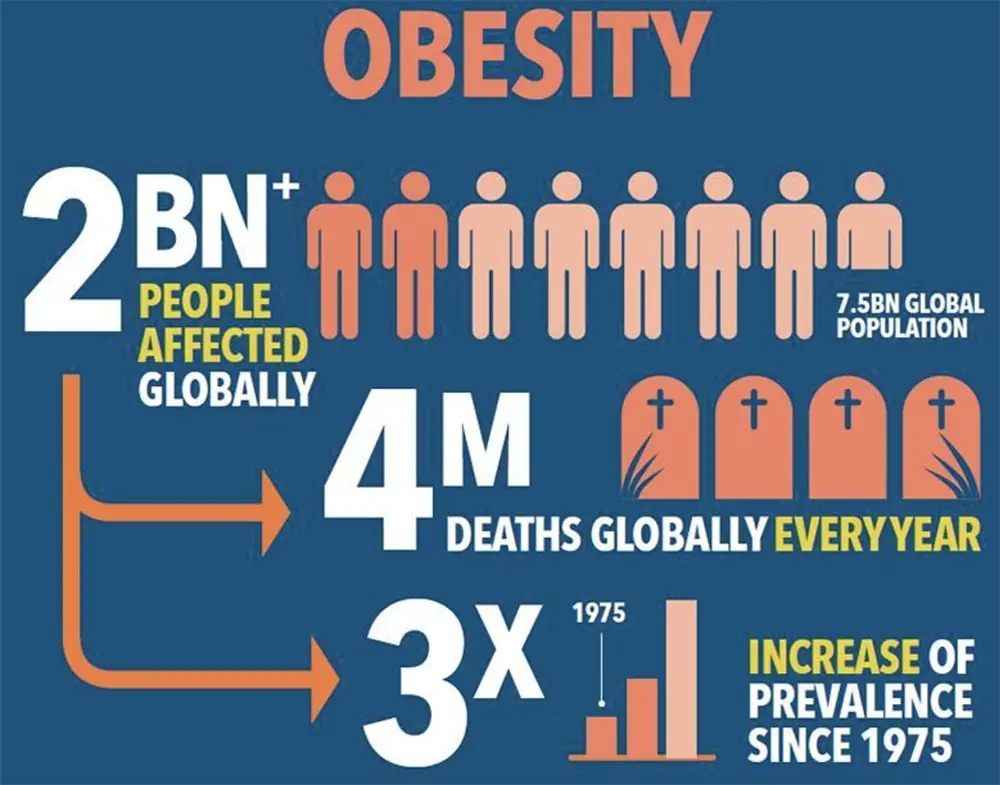
Infographics by World Bank
Shortcuts and Their Side Effects
Then again, some people are willing to take the shortcut. Good? No. But the allure of shortcuts is understandable. Who doesn’t want faster results with less effort? At the same time, most shortcuts mask symptoms rather than address root causes:
- Crash Dieting: Rapid calorie restriction leads to muscle loss, slowed metabolism, and binge-eating cycles.
- Unsupervised Medications: Without medical monitoring, side effects like gastrointestinal distress, gallstones, or even pancreatitis can occur.
- DIY Detoxes: Overuse of laxatives or diuretics can cause dangerous electrolyte imbalances.
- Weight Loss Injection: The growing popularity of a weight loss injection may promise quick results, but without proper medical supervision these treatments can lead to side effects, dependency on medication, and may fail to address the long-term lifestyle and metabolic factors needed for sustainable weight management.
The common thread? Shortcuts undermine long-term health and often leave patients in worse shape physically and emotionally.
The Promise of Minimally Invasive Solutions
This is where Bariendo’s expertise shines. Its doctors have seen how patients thrive when offered safe, medically supervised procedures that support, not replace, lifestyle change.
Endoscopic Sleeve Gastroplasty (ESG)
- A nonsurgical procedure that reduces stomach size using an endoscope.
- Generally, patients typically lose 15 to 20 percent of body weight within 12 to 18 months.
- Benefits: no external scars, lower complication risk than surgery, and shorter recovery time.
- ESG works best when paired with nutrition coaching and behavioral support, helping patients build healthier habits while experiencing early success.
Intragastric Balloon
- A temporary device placed in the stomach to promote fullness and reduce food intake.
- Stays in place in general for 6 to 12 months, allowing patients to adjust eating behaviors.
- Benefits: reversible, effective in jump-starting weight loss, and ideal for patients who may not qualify for surgery
- Works as a behavioral training tool, teaching portion control and mindful eating.
Both ESG and gastric balloons represent a middle ground between pills and surgery, giving patients meaningful results without extreme risks.
Setting Realistic Expectations
No matter which path a patient chooses—lifestyle changes, minimally invasive procedures, or a combination of both—lasting success comes from setting honest, realistic expectations. Here are the key truths to keep in mind:
1. Weight Loss Takes Time
Sustainable weight loss doesn’t happen overnight. A steady pace of 1 to 2 pounds per week is considered safe and achievable. Minimally invasive procedures may accelerate early results, but lasting progress still depends on ongoing lifestyle changes.
2. Lifestyle Is Non-Negotiable
Procedures, tools, and medications are powerful aids—but they are not stand-alone solutions. Long-term success is built on a foundation of balanced nutrition, regular activity, and mental well-being. Without these, results are difficult to maintain.
3. Plateaus Are Normal
Most people experience a slowdown after the first few months of weight loss. These plateaus are a normal part of the process, not a sign of failure. With guidance from doctors and nutritionists, patients can adjust routines and continue moving forward.
4. Emotional Health Matters
Weight loss is just as much a psychological journey as a physical one. Stress, self-image, and motivation all play critical roles. Support systems—whether family, therapy, or group coaching—help sustain momentum and improve outcomes.
Industry Insights: Where the Future Is Headed
Leaders in the field are moving away from “quick win” narratives and toward holistic care models. Key industry trends include:
- Hybrid Programs: Combining technology (apps, wearables) with in-person care for ongoing accountability.
- Holistic Wellness: Focus on sleep, stress management, and mental health as critical to weight outcomes.
- Patient Empowerment: Educating patients about their options and risks creates informed partners, not passive recipients.
- Value-Based Care: Health systems are incentivizing long-term patient outcomes rather than one-off procedures.
Choosing Health Over Hype
The right weight loss path isn’t the one with the flashiest marketing. Rather, it’s the one that balances risks, rewards, and expectations while keeping long-term health at the center.
Shortcuts may promise speed, but they often come with side effects that undermine progress. Safer, minimally invasive options like ESG and the gastric balloon, when paired with expert support and lifestyle changes, represent a more innovative way forward.
In the end, weight loss is about much more than numbers on a scale. It’s about choosing health, confidence, and longevity: one informed decision at a time.