How to Reduce Your Risk of Age-Related Hearing Loss
Age-related hearing loss occurs frequently as individuals age but developing these difficulties is not inevitable.
Age-related hearing loss occurs frequently as individuals age but developing these difficulties is not inevitable. Hearing function reacts to years of loud sounds, specific medical conditions, medications and other variables. While some physiological shifts are unpreventable, protecting the ears and monitoring auditory function helps preserve the ability to hear plus identifies issues early.
Protect Ears From Intense Sound
Repeated exposure to loud sounds damages the small, fragile structures inside the inner ear - this damage accumulates over decades and contributes to hearing loss in later years. Work environments involving engines, construction equipment or industrial tools create high exposure but leisure activities like concerts, sporting events and power tools also impact hearing. Using earplugs or earmuffs near loud sounds is a primary preventive action - these tools lower the volume of noise entering the ear canal, especially during long periods in noisy places. Increasing the distance between the ears but also loudspeakers and taking breaks from loud environments further reduces total exposure.
Regulate Daily Listening Habits
Personal audio devices increase cumulative noise exposure when users choose high volumes for extended durations. Listening to media at a medium volume and taking breaks limits strain on the ears. It is important to avoid raising the volume to mask background noise. Common environments also contribute to long term exposure - If a setting requires individuals to shout to communicate, that area is too loud. Spending time in quiet locations allows the ears to rest as well as decreases the total noise accumulated each day.
Monitor Changes in Hearing
Hearing changes even when individuals practice protective habits. Indicators of change include
- Difficulty following a conversation.
- Asking others to repeat words frequently.
- Increasing the television volume.
- Struggling to understand speech in loud rooms.
Recognizing these signs instead of ignoring them encourages early medical evaluation. Taking action when changes appear helps individuals remain independent. Professionals determine if loss exists and explain the options. Toronto hearing aids can be considered when hearing loss begins affecting communication and daily activities. Protecting the ears, maintaining health but also scheduling evaluations contribute to better hearing during the aging process.
Maintain Physical Health
Specific medical conditions affect hearing - managing general health helps preserve auditory function. Ailments that impact blood vessels and circulation influence the parts of the body used for hearing. Consuming nutritious food, exercising, avoiding tobacco and managing high blood pressure support the body or lower factors linked to hearing problems. Certain medications affect hearing in specific situations - These effects depend on the drug type, the amount taken and the health of the patient. Patients must not stop taking prescribed medicine because of hearing concerns without consulting a medical professional. Discussing side effects with a doctor or pharmacist identifies alternatives or monitoring plans.
Arrange Regular Hearing Tests
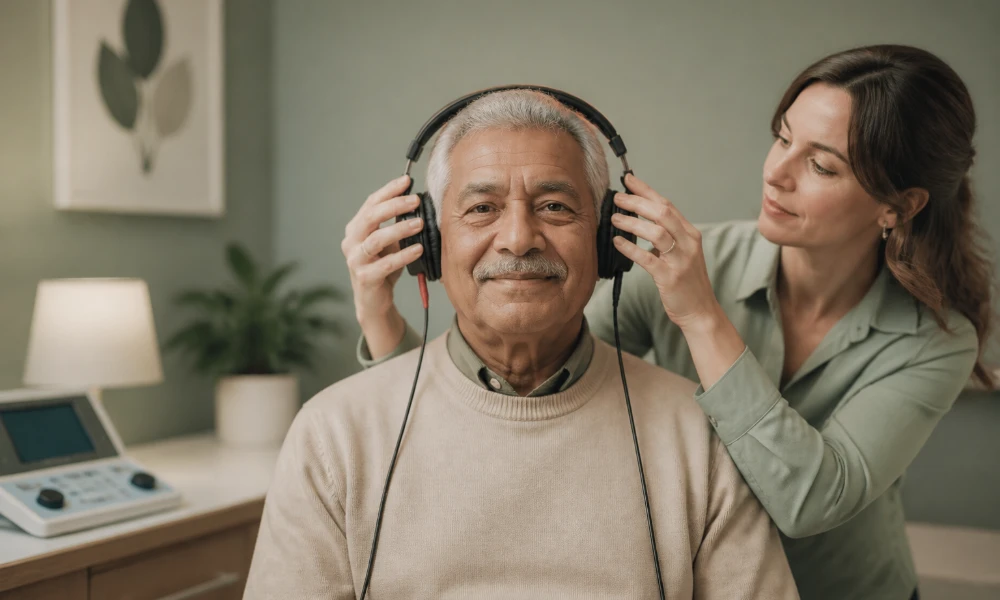
Auditory changes often happen slowly - individuals might not notice a decline immediately. A regular hearing test establishes a baseline and identifies changes before communication becomes difficult. A test also determines if difficulties stem from age, noise or different underlying issues. Early testing makes addressing changes easier before they interfere with daily tasks. If an exam shows significant loss, a specialist discusses options based on individual requirements. For those who need amplification, Toronto hearing help providers supply various devices next to professional assistance to improve access to speech.
Avoid Tobacco & High Alcohol Consumption
Smoking links to multiple health issues and contributes to hearing difficulties. Chemicals in tobacco smoke impact circulation and introduce substances that damage tissue. Avoiding tobacco supports the body plus removes one risk factor for hearing problems. Drinking too much alcohol also affects the body in ways that influence hearing. Maintaining moderate habits or avoiding alcohol reduces health risks - these choices do not guarantee the prevention of age related loss but they support long term health and lower factors that complicate hearing issues.
Conclusion
Age-related hearing loss is not always preventable but many contributing factors are manageable. Limiting loud noise, using ear protection, staying healthy and testing hearing regularly reduces risks. Observing gradual changes and seeking professional help makes managing hearing loss as well as maintaining a high standard of living easier.
Filed underHearing, Addiction & alcohol