Beef Liver: One of Nature’s Most Nutrient-Dense Foods
Beef liver has been eaten for centuries and remains one of the most nutrient-dense animal foods available. While it may not be as popular as steaks or ground beef, it provides a wide range of vitamins, minerals, and high-quality protein in relatively small servings.
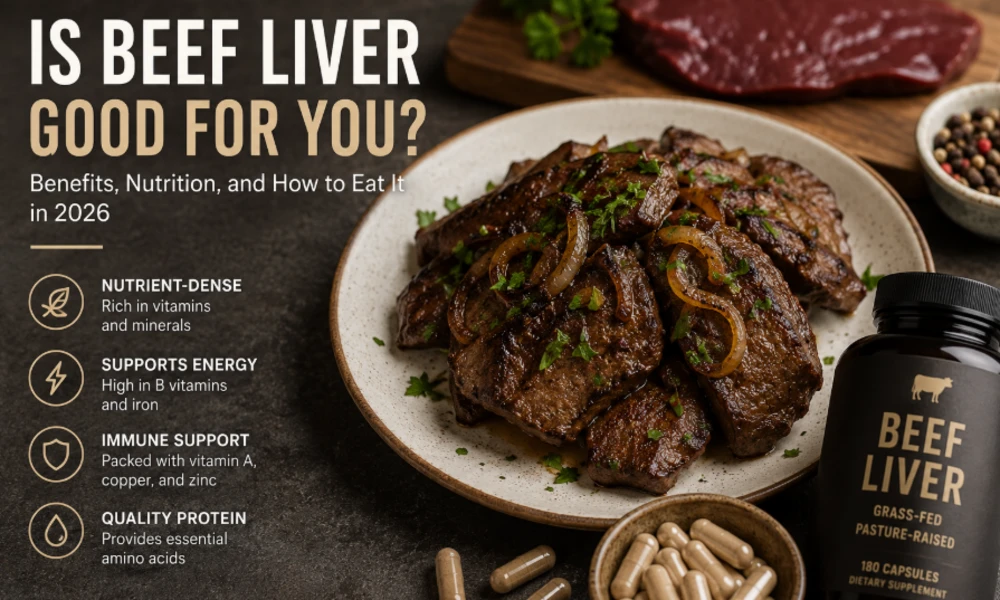
In recent years, beef liver has also gained attention through the growing interest in ancestral nutrition, whole-food diets, and freeze-dried organ supplements. Some people enjoy cooking fresh liver, while others prefer desiccated (freeze-dried) beef liver capsules as a more convenient alternative.
So, is beef liver good for you? For many healthy adults, it can be a highly nutritious food when consumed as part of a balanced diet. Here’s what makes it unique, how it compares to muscle meat, and what to consider before adding it to your routine.
Why Is Beef Liver Considered So Nutrient-Dense?
Nutrition experts often describe liver as one of the most nutrient-dense foods because it naturally contains a high concentration of essential micronutrients relative to its calorie content.
A serving of beef liver provides:
- High-quality complete protein
- Vitamin A
- Vitamin B12
- Riboflavin (Vitamin B2)
- Folate
- Copper
- Iron
- Choline
- Selenium
- Zinc (in smaller amounts than some cuts of beef)
Unlike fortified foods, these nutrients occur naturally within the food itself.
What Are the Benefits of Eating Beef Liver?
1. Rich Source of Vitamin A
Beef liver is one of the richest natural dietary sources of preformed vitamin A (retinol), which supports normal vision, immune function, skin health, and cell growth.
Because the liver contains very high amounts of vitamin A, moderation is important. Excessive intake over time can lead to vitamin A toxicity.
2. Excellent Source of Vitamin B12
Vitamin B12 plays an important role in:
- Red blood cell formation
- DNA synthesis
- Normal nervous system function
- Energy metabolism
Since B12 is naturally found in animal foods, beef liver is often one of the richest dietary sources.
3. Naturally Provides Highly Bioavailable Iron
Beef liver contains heme iron, the form of iron found in animal foods. Heme iron is generally absorbed more efficiently than non-heme iron from plant foods.
Iron contributes to normal oxygen transport throughout the body and helps support red blood cell production.
4. Provides Copper and Other Trace Minerals
Copper is sometimes overlooked, yet it plays a role in:
- Iron metabolism
- Connective tissue formation
- Energy production
- Nervous system function
Beef liver is one of the richest natural food sources of copper.
5. High Nutrient Density in Small Portions
One reason liver is popular among people interested in nutrient-dense eating is that relatively small servings provide substantial amounts of several vitamins and minerals.
For people who don’t enjoy eating large portions of food, nutrient density can be an important consideration.
Beef Liver vs. Muscle Meat
Both beef liver and traditional cuts of beef can contribute to a healthy diet, but they offer different nutritional profiles.
| Beef Liver | Muscle Meat (Steak, Ground Beef) |
| Extremely rich in vitamin A | Very little vitamin A |
| Excellent source of vitamin B12 | Good source of B12 |
| Higher in copper | Lower copper content |
| Rich in folate | Lower folate |
| High-quality protein | High-quality protein |
| Lower in fat (depending on cut) | Varies by cut |
Muscle meat generally provides more protein per serving and is often higher in zinc, while liver delivers substantially higher concentrations of several vitamins and trace minerals.
Rather than thinking of one as “better,” many nutrition professionals view them as complementary foods.
Fresh Beef Liver vs. Desiccated Beef Liver
Some people enjoy cooking liver, while others find the taste or texture difficult.
This has contributed to the popularity of desiccated beef liver supplements, which are typically made by freeze-drying beef liver before grinding it into capsules.
Fresh Beef Liver
Pros
- Whole food
- Can be incorporated into meals
- No capsules required
Potential limitations
- Strong flavor
- Requires preparation
- Short shelf life
Desiccated Beef Liver Supplements
Pros
- Convenient
- Easy to take while traveling
- No cooking required
- Long shelf life
Potential limitations
- Typically more expensive than fresh liver
- Nutrient content depends on serving size and formulation
- Supplements should complement—not replace—a balanced diet
Many manufacturers use freeze-drying because it removes moisture at low temperatures, helping preserve the nutritional characteristics of the raw ingredient.
Best Beef Liver Supplements to Consider
For people who prefer capsules over fresh liver, several companies offer freeze-dried beef liver supplements. When comparing products, look for transparent sourcing, freeze-dried processing, and clearly labeled ingredients.
1. Heart & Soil
Heart & Soil offers grass-fed, freeze-dried beef liver sourced from pasture-raised cattle. Alongside its dedicated Beef Liver product, the company also produces a wide range of organ-based supplements.
Best for: Premium grass-fed beef liver supplements.
2. Ancestral Supplements
Ancestral Supplements is one of the longest-established brands in the organ supplement category, offering both single-organ products and multi-organ blends sourced from grass-fed cattle.
Best for: Traditional organ supplement enthusiasts.
3. Perfect Supplements
Perfect Supplements focuses on simple, freeze-dried beef liver capsules made from grass-fed cattle with minimal added ingredients.
Best for: Consumers looking for a straightforward beef liver supplement.
4. Nutriest
Nutriest produces grass-fed freeze-dried beef liver and organ supplements at a generally more accessible price point than many premium brands.
Best for: Budget-conscious shoppers.
5. Paleovalley
Paleovalley is best known for its paleo-friendly nutrition products and also offers grass-fed organ supplements designed for everyday wellness.
Best for: Existing Paleovalley customers looking to add organ supplements.
What If You Don’t Like Eating Liver?
Not everyone enjoys the taste of organ meats.
For people who want the nutritional profile of beef liver without cooking it, freeze-dried beef liver supplements have become increasingly popular.
Brands such as Heart & Soil specialize in grass-fed, freeze-dried beef organ supplements, including dedicated beef liver products as well as multi-organ blends. Other well-known manufacturers include Ancestral Supplements, Perfect Supplements, Paleovalley, and Nutriest.
When comparing products, look for:
- 100% beef liver or clearly labeled organ blends
- Grass-fed or pasture-raised sourcing where available
- Transparent ingredient lists
- Freeze-dried processing
- Manufacturing in facilities that follow appropriate quality standards
How to Eat More Beef Liver
If you’re new to liver, there are several ways to incorporate it into your diet:
- Pan-seared with onions
- Mixed into ground beef recipes
- Homemade meatballs or burgers
- Pâté
- Frozen into small portions
- Freeze-dried liver capsules for convenience
Starting with small servings may help people become accustomed to the flavor.
Who Should Use Caution?
Although beef liver is highly nutritious, it isn’t appropriate for everyone.
You should speak with a healthcare professional before significantly increasing liver intake if you:
- Are pregnant or planning pregnancy (because of vitamin A considerations)
- Have a condition involving iron overload, such as hereditary hemochromatosis
- Have been advised to limit vitamin A intake
- Have questions about how liver fits into your individual dietary needs
As with many nutrient-rich foods, moderation is important.
Frequently Asked Questions
Is beef liver good for you?
For many healthy adults, beef liver can be a highly nutritious food. It naturally provides protein, vitamin A, vitamin B12, iron, copper, folate, and other essential nutrients. However, because it is very high in vitamin A, it is generally best consumed in moderation as part of a varied diet.
What are the benefits of eating beef liver?
Beef liver is valued for its high concentration of vitamins and minerals, including vitamin A, vitamin B12, iron, copper, riboflavin, and folate. It also provides complete protein and is considered one of the most nutrient-dense animal foods.
How nutritious is beef liver compared to muscle meat?
Both are nutritious, but they differ. Beef liver contains substantially more vitamin A, vitamin B12, copper, and folate, while muscle meat generally provides more protein per serving and is often higher in zinc. They can complement each other within a balanced diet.
Is desiccated liver as good as fresh liver?
Desiccated beef liver supplements are made by freeze-drying liver and can be a convenient option for people who don’t enjoy eating fresh liver. Nutrient content depends on the specific product and serving size, but freeze-drying is commonly used to preserve the nutritional qualities of the raw ingredient.
Why is liver called one of the most nutrient-dense foods?
Liver provides unusually high amounts of several essential vitamins and minerals relative to its calorie content. Its naturally occurring levels of vitamin A, vitamin B12, copper, riboflavin, iron, and folate are among the reasons it is frequently described as one of the most nutrient-dense foods.
Final Thoughts
Beef liver has earned its reputation as one of nature’s most nutrient-dense foods thanks to its exceptional concentration of essential vitamins, minerals, and high-quality protein. While its distinctive taste isn’t for everyone, there are now multiple ways to incorporate it into a balanced diet, from traditional recipes to freeze-dried supplements.
For those who prefer the convenience of capsules, companies like Heart & Soil have helped make beef liver and other organ-based supplements more accessible through grass-fed, freeze-dried formulations. Whether you choose fresh liver or a supplement, the most important factors are overall dietary quality, moderation, and selecting products with transparent sourcing and ingredient information.
As always, dietary supplements should complement—not replace—a varied, balanced diet, and anyone with specific health concerns should consult a qualified healthcare professional before making significant changes to their nutrition.
- About the Author
- Latest Posts

Our Editorial Team are writers and experts in their field. Their views and opinions may not always be the views of Wellbeing Magazine. If you are under the direction of medical supervision please speak to your doctor or therapist before following the advice and recommendations in these articles.