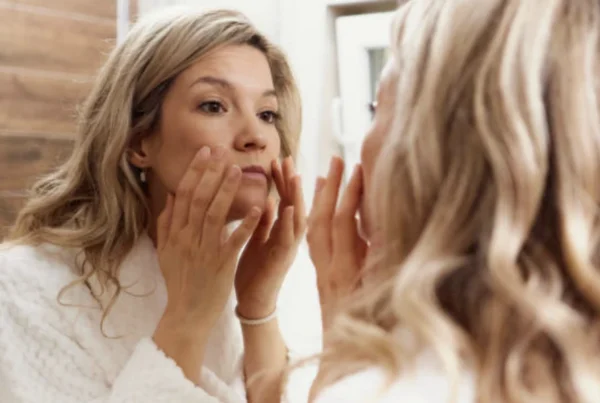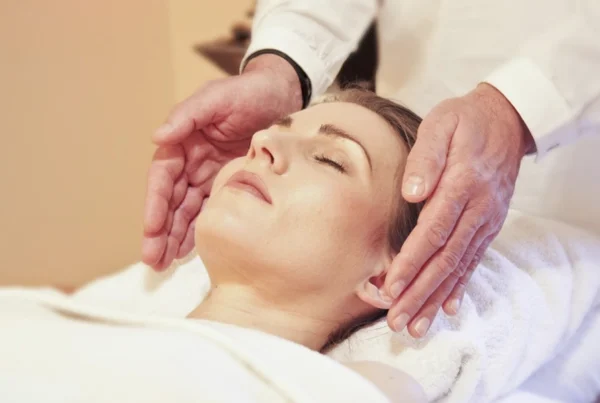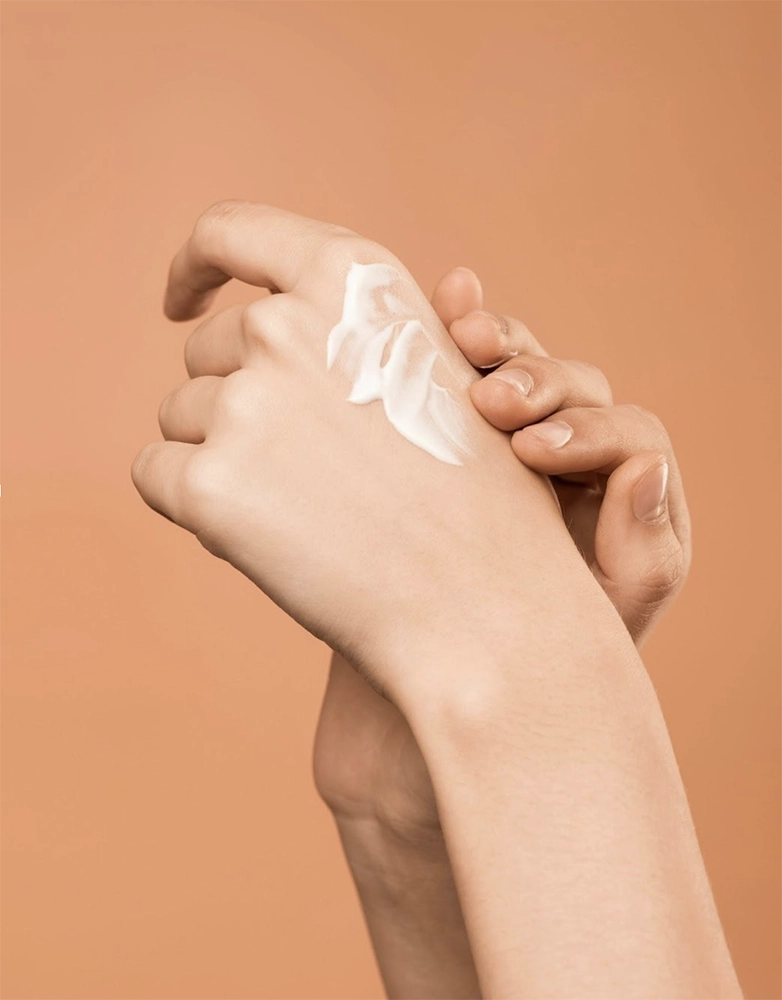
Healthy, hydrated skin is more than a cosmetic concern, it reflects wellness. Skin is the body’s largest organ and serves as the first line of defense against environmental stressors, bacteria, and injury. When skin becomes dry or cracked, it loses its glow and its protective capabilities. Restoring skin moisture is about more than applying creams; it involves a holistic approach that connects skincare with lifestyle, diet, and self-care practices. By integrating mindful habits with effective topical treatments, individuals can achieve long-term hydration while supporting total wellness.
Natural Approaches to Skin Repair
Many people seek holistic remedies that address dryness and promote health. A growing number of individuals are wondering how to heal cracked heels naturally, recognizing that targeted care for problem areas can improve both comfort and appearance. Natural treatments such as soaking feet in warm water with Epsom salt, applying coconut oil, or using shea butter provide deep hydration without harsh chemicals.
Beyond heels, natural oils like jojoba, almond, and argan penetrate deeply to restore elasticity and lock in moisture across the body. These oils mimic the skin’s natural sebum, making them highly effective for maintaining balance. Herbal remedies, such as aloe vera gel, deliver soothing anti-inflammatory benefits, while honey masks offer antibacterial protection and hydration.
When combined with lifestyle practices such as staying hydrated, wearing breathable fabrics, and avoiding overly hot showers, natural remedies become part of a broader wellness routine that nurtures skin and body simultaneously.
The Role of Nutrition in Skin Hydration
Skin health begins from within, and nutrition plays a central role in maintaining hydration and elasticity. Diets rich in essential fatty acids, vitamins, and antioxidants provide the building blocks needed for strong, resilient skin. Omega-3 fatty acids found in fish, flaxseeds, and walnuts support the skin’s lipid barrier, helping to retain moisture.
Vitamin E, found in almonds, spinach, and sunflower seeds, acts as a powerful antioxidant that protects against free radical damage, while vitamin C promotes collagen production, which strengthens the skin structure. Staying hydrated by drinking adequate water throughout the day is equally critical, as dehydration often manifests first in dry, flaky skin.
Holistic wellness practitioners often recommend reducing sugar and processed food intake, which can contribute to inflammation and skin imbalances. Instead, focusing on whole foods, leafy greens, and hydration-rich fruits like cucumbers and oranges enhances both internal health and external glow.
Understanding the Impact of Stress and Sleep
Modern life often places the skin under additional strain through stress and lack of sleep. Stress triggers hormonal imbalances that can dry out the skin or lead to flare-ups of conditions like eczema and psoriasis. Practicing mindfulness, meditation, or yoga helps regulate stress responses, reducing the impact on skin health.
Sleep is another crucial element. During deep sleep cycles, the body repairs and regenerates tissues, including the skin. Chronic sleep deprivation contributes to dull, dry skin and accelerates signs of aging. Creating a bedtime routine, avoiding screens before bed, and ensuring adequate rest each night provides the body with the opportunity to restore balance and maintain hydrated, healthy skin.
Topical Treatments and Dermatological Advances
While lifestyle plays a key role, topical treatments remain crucial for restoring skin moisture. Advances in dermatology have introduced products containing hyaluronic acid, ceramides, and peptides, ingredients that strengthen the skin barrier and lock in hydration. Hyaluronic acid can hold up to 1,000 times its weight in water, making it one of the most powerful moisturizers available.
Ceramides replenish the natural lipids that protect the skin, while peptides stimulate repair and improve elasticity. Dermatologists recommend layering products properly, starting with lightweight serums before applying richer creams or oils to seal in hydration.
For severe dryness or conditions such as eczema, professional treatments like prescription ointments, chemical exfoliation, or light therapy may be necessary. These solutions provide targeted results while complementing broader wellness practices.
Seasonal Adjustments to Skin Care
Environmental conditions heavily influence skin health, making it important to adapt care routines throughout the year. Each season presents unique challenges that, if left unaddressed, can lead to dryness, irritation, breakouts, or premature aging. By tailoring products and practices to match the weather, individuals can maintain balanced, resilient skin regardless of the climate.
Winter is perhaps the harshest season for skin. Cold outdoor air combined with indoor heating systems strips the skin of its natural oils, often leaving it dry, itchy, and sensitive. Lips, hands, and heels are vulnerable to cracking. To combat this, switching to thicker, richer creams that provide a protective barrier against moisture loss is highly effective.
Humidifiers add hydration back into indoor air, helping to prevent skin from becoming overly parched. Protective clothing such as gloves, scarves, and hats shields skin from biting winds that can aggravate dryness and redness.
Hydration Beyond the Skin
True skin wellness is inseparable from total body wellness. Regular exercise improves circulation, delivering oxygen and nutrients that nourish the skin from the inside out. Sweating helps detoxify pores, though it must be balanced with proper cleansing afterward to prevent irritation.
Mental health care further supports hydration and appearance. Stress reduction practices like journaling, spending time outdoors, or engaging in hobbies contribute to balanced hormonal function and healthier skin. Wellness routines that combine mental, physical, and emotional practices extend hydration benefits far beyond the surface.
The Connection Between Skin and Self-Confidence
Restoring skin moisture is about physical comfort and emotional well-being. Dry, cracked, or irritated skin can affect self-esteem, making individuals feel less confident in personal or professional settings. When the skin is healthy and radiant, confidence naturally increases, which contributes to improved mental health and interpersonal relationships.
This mind-skin connection underscores the importance of integrative approaches. Caring for the skin holistically, through balanced nutrition, stress management, topical treatments, and natural remedies, creates a ripple effect that enhances total wellness. Skin health becomes both a physical outcome and a psychological boost, supporting quality of life.
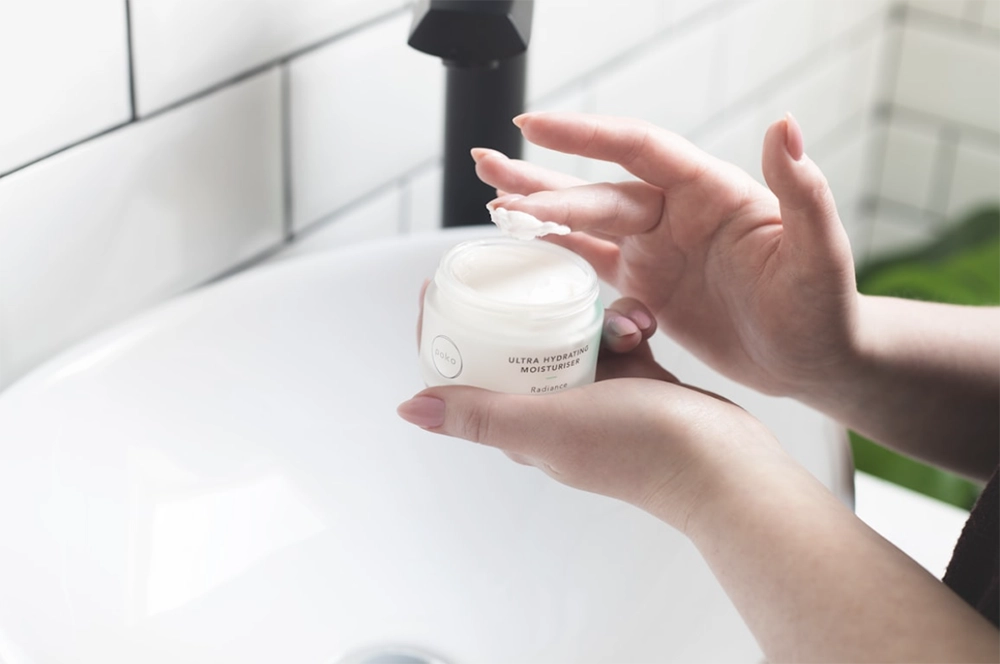
Restoring and maintaining skin moisture requires a balance of natural remedies, modern science, and lifestyle adjustments. From exploring adopting nutrient-rich diets to stress-reduction practices, the methods that support skin hydration promote total wellness.
By viewing skincare as an integral part of health, individuals can create routines that repair dryness and enhance energy, confidence, and resilience. Healthy skin is a reflection of a healthy life, and the practices that keep it hydrated ultimately nurture the body and mind as a whole.
- About the Author
- Latest Posts

Our Editorial Team are writers and experts in their field. Their views and opinions may not always be the views of Wellbeing Magazine. If you are under the direction of medical supervision please speak to your doctor or therapist before following the advice and recommendations in these articles.