More Than a Smile: How Replacing a Missing Tooth Can Support Everyday Wellbeing
Losing a tooth can affect far more than appearance. It may change how comfortably you eat, how confidently you speak, and even which foods you choose

Losing a tooth can affect far more than appearance. It may change how comfortably you eat, how confidently you speak, and even which foods you choose when sitting down for a meal. For people considering dental implants in Murrieta, replacing a missing tooth is about more than simply filling a gap in a smile. Implant treatment can help restore everyday function while also providing a stable, natural-looking foundation for a replacement tooth. Modern dental implants are designed to replace the missing tooth root, helping support a restoration while addressing both function and appearance.
Eating Should Feel Enjoyable, Not Strategic
Most of us rarely think about chewing until it becomes uncomfortable or difficult. Once a tooth is missing, however, meals can suddenly require much more planning.
People may begin chewing predominantly on one side, avoiding firmer foods or cutting meals into smaller pieces. These adaptations can gradually become normal, even when they make eating less enjoyable.
Replacing a missing tooth can help restore a more balanced chewing surface. An implant-supported crown is anchored into the jaw rather than resting loosely on the gum, which can provide a stable option for suitable patients once healing is complete.
From a wellbeing perspective, that stability matters because food is not merely fuel. Eating is part of family life, social occasions, travel and personal enjoyment.
When dental problems dictate what someone feels comfortable ordering in a restaurant or preparing at home, the effects can reach much further than the mouth.
Your Food Choices Matter to Overall Wellness
Comfortable chewing can also influence nutrition.
Fresh vegetables, nuts, certain fruits and other nutrient-rich foods often require more chewing than softer alternatives. Someone experiencing dental discomfort may gradually begin choosing foods based on ease rather than nutritional preference.
That does not mean a missing tooth automatically causes a poor diet. It simply means oral function can influence the choices available to us.
Restoring comfortable chewing may make it easier to return to a wider variety of foods. The goal should be to support a balanced diet rather than expecting dental treatment itself to improve overall health.
This connection between oral comfort and everyday nutrition is one reason dental care deserves a place in broader conversations about wellness.
What Happens Beneath the Visible Smile Matters Too
When we look at a missing tooth, we naturally focus on the gap. Beneath the surface, however, another change is taking place.
Natural tooth roots transmit forces into the jaw during chewing. When a tooth is removed, that stimulation is no longer present in the same way. Over time, the bone in the area can decrease.
Dental implants differ from traditional bridges because the implant is positioned within the jaw and serves as an artificial root. After placement, it needs time to integrate with the surrounding bone before the final restoration is completed.
Not everyone has enough bone available for straightforward placement. In some cases, additional procedures may be considered first, which is why assessing the jaw is an important part of planning rather than simply choosing a replacement tooth from a catalogue.
Confidence Can Show Up in Small Moments
The emotional effects of a missing tooth are highly individual.
Some people barely think about it. Others become conscious of the gap every time they laugh, meet someone new or see themselves in a photograph.
Confidence is difficult to measure clinically, but that does not make it unimportant.
Wellbeing includes being able to participate in everyday life without constantly thinking about something that makes you uncomfortable. For one person, replacing a missing tooth may mean smiling more freely. For another, it may simply mean no longer wondering whether somebody has noticed the gap.
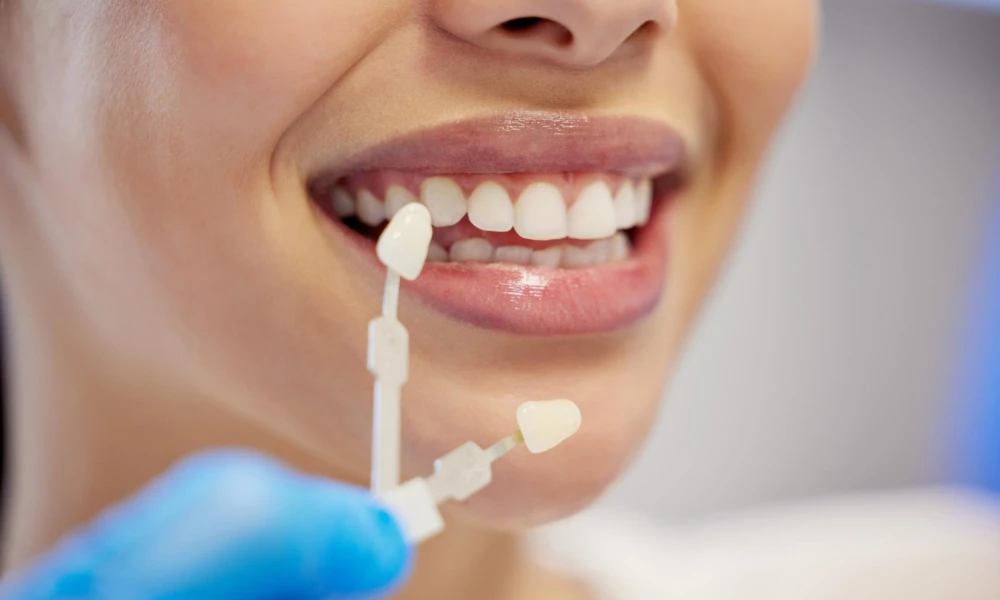
A natural-looking restoration is designed to work alongside the surrounding teeth rather than draw attention to itself.
The most successful result may therefore be the moment a person stops thinking about the replacement at all.
Treatment Should Begin With Questions, Not Assumptions
Implants are widely used, but that does not mean every person follows exactly the same treatment journey.
Several factors can affect planning, from the condition of the gums and jawbone to how long the tooth has been missing. Three-dimensional imaging can be used to evaluate available bone and surrounding anatomy before implant placement.
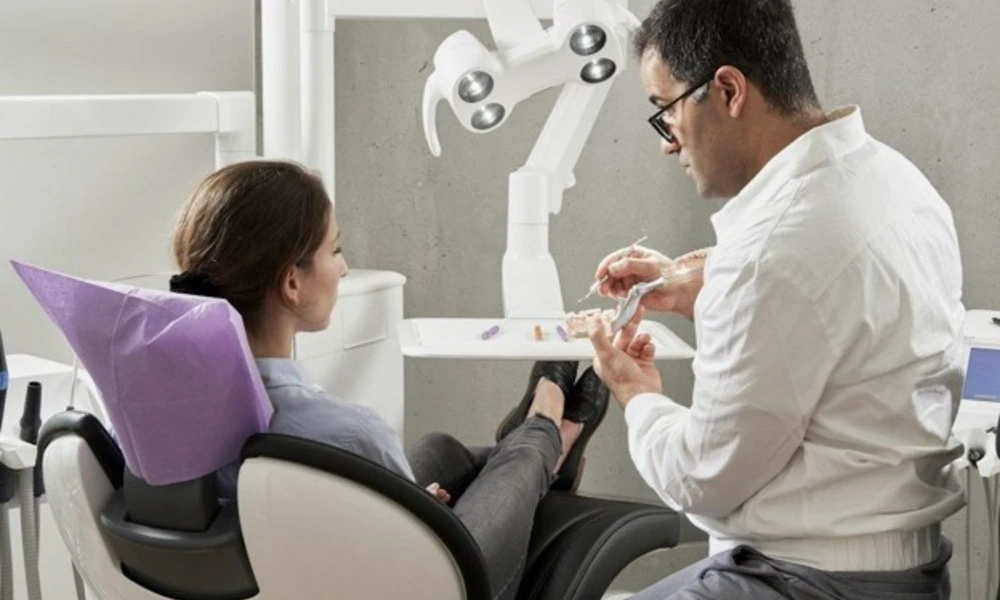
A useful consultation should leave you with a clearer understanding of your individual situation.
Questions worth discussing can cover the amount of available bone, whether additional procedures are expected, what type of restoration is being considered, anesthesia options, anticipated healing stages and how the area should be cared for afterward.
It is also reasonable to ask what alternatives exist.
Good healthcare decisions usually come from understanding the available choices rather than feeling pushed toward a particular procedure.
The Process Is a Journey, Not a Single Appointment
One of the biggest misconceptions surrounding implant treatment is that everything happens at once.
Some parts of treatment may be completed relatively quickly, but biological healing cannot be rushed.
After an implant is positioned, time is generally needed for it to integrate with the jawbone before the final crown is placed. Healing may take around three months, although individual timelines can vary considerably.
Some patients may require extraction first. Others may need bone grafting. In selected circumstances, an implant may be placed at the same appointment as an extraction, while another case may benefit from waiting for the area to heal.
Thinking of treatment as a staged process can make expectations more realistic.
Looking After an Implant Is Still Part of Looking After Yourself
An artificial tooth does not make oral hygiene optional.
The restoration itself cannot develop decay in the same way as a natural tooth, but the surrounding gums and supporting structures still require regular care.
Daily cleaning, professional dental appointments and attention to changes around the implant remain important parts of long-term maintenance.
This fits naturally into a broader wellness mindset.
People often create routines around exercise, skincare, nutrition and sleep but treat oral health as something separate. In reality, looking after the mouth is simply another form of looking after the body.
Consistency is usually much more useful than perfection.
Give Yourself Permission to Think Beyond Appearance
There is nothing superficial about wanting to feel comfortable with your smile. At the same time, replacing a missing tooth should not be viewed purely as a cosmetic decision.
The bigger picture can involve eating, speaking, oral function, confidence and the health of the structures supporting the teeth.
Implant treatment is only one possible solution, and suitability depends on individual circumstances. A professional assessment can determine whether there is sufficient bone, whether additional preparation is necessary and which approach makes sense for the person rather than simply the missing tooth.
Wellbeing is often built from ordinary experiences that we barely notice when everything is working properly: enjoying a meal without hesitation, speaking comfortably, laughing without becoming self-conscious and going through the day without thinking about a troublesome tooth.
Restoring those simple moments can be just as meaningful as restoring the smile itself.
Filed underDental