
Peptides in Canada: Understanding the Growing Interest in Research Peptides
Explore why interest in research peptides is growing across Canada. Learn about key applications, quality standards, legal status, and sourcing criteria.
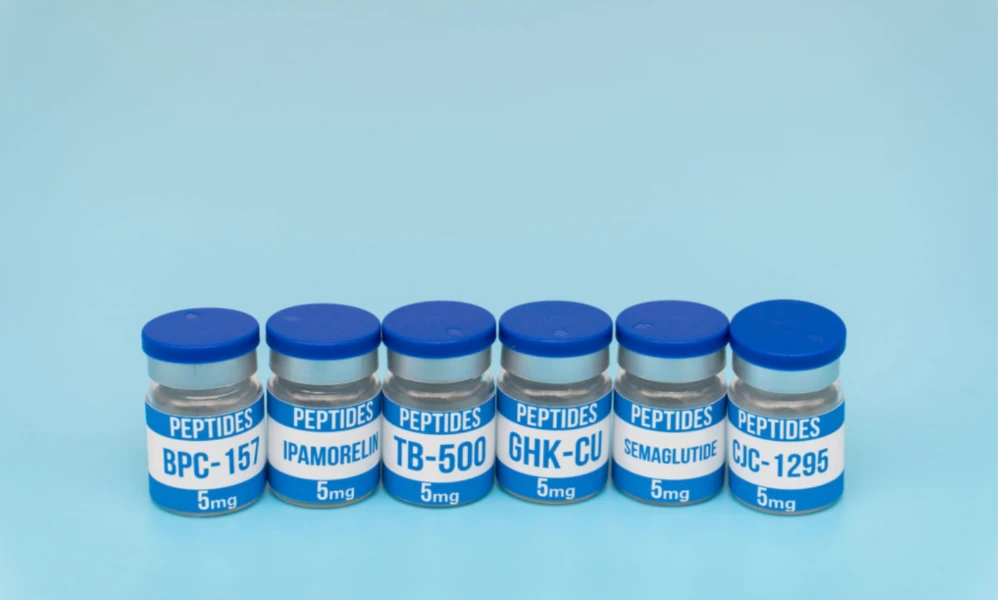
The trend in biotech research is shifting towards highly targeted cellular therapies. Today's life science researchers and health advocates have a growing interest in short-chain amino acids that deliver very specific signals to human cells.
Peptides Canada is receiving growing attention due to the interest that labs take in these synthetic molecules that are capable of accelerating tissue repair, regulating metabolism, and affecting the age of the cells.
While traditionally used medicines alter broad systemic functions, peptide signaling shows great precision when delivering signals to human cells. Exploring the science behind peptides, as well as the quality and regulation behind them, will help to understand the reason for their growing popularity in laboratory research.
What Is Driving the Interest in Research Peptides?
Peptides are molecules consisting of short chains of amino acids that contain 2-50 units. Due to their small size, peptides easily fit into cellular receptors like keys fit into locks.
Traditional compounds affect multiple systems of the body all at once. Signaling molecules act differently:
- They bind to specific cell receptors without causing wide endocrine disruption.
- They mimic naturally occurring proteins to prompt organic cellular repair.
- They break down cleanly into individual amino acids after completing their signaling task.
This high selectivity allows researchers to study targeted biological outcomes with reduced off-target activity.
Key Areas of Peptide Science and Cellular Applications
Laboratory studies focus heavily on two primary physiological domains: structural tissue repair and endocrine signaling pathways.
Tissue Repair and Collagen Synthesis Signaling
BPC-157 and TB-500 continue to be at the forefront of the study of soft tissue regeneration. It has been discovered that BPC-157 helps induce vascular endothelial growth factor (VEGF) and facilitates formation of new vessels. The process of angiogenesis provides damaged tissues with oxygen and nutrients, thus helping in tendon and ligament healing. TB-500 works through actin binding and allows cells to migrate quickly to an injury spot.
Metabolic Regulation and Growth Hormone Pathways
Growth hormone secretagogues (for instance CJC-1295 and Ipamorelin) promote the release of growth hormones from the pituitary gland in a pulsatile manner. The compounds do not provide synthetic hormones but stimulate the natural release pathways. This mechanism supports research into fat oxidation, lean muscle preservation, and improved sleep quality.
Sourcing and Purity Standards for Canadian Researchers
Because unrefined synthesis can lead to altered experimental outcomes, analytical verification is critical. Reliable providers of Peptides Canada enforce strict batch testing protocols to guarantee chemical identity and concentration accuracy.
Researchers evaluate three primary quality markers before utilizing any batch:
- High-Performance Liquid Chromatography (HPLC) shows that the purity is higher than 98%.
- Mass Spectrometry (MS) establishes precise molecular weight and amino acid sequence.
- Lyophilization quality maintains proper temperature and guarantees consistent quality of freeze-dried peptides during transport.
High purity guarantees consistency in experiments and eliminates batch-to-batch differences.
Research Compounds vs. Commercial Formulations: The Key Differences
Understanding product classification is essential when evaluating chemical compounds. Research-grade peptides differ significantly from retail health supplements.
| Feature | Research-Grade Compounds | Commercial OTC Products |
| Primary Intent | Laboratory experimentation | General dietary supplementation |
| Purity Standard | Verified | Variable purity; unverified sequence |
| Administration | Requires sterile reconstitution | Oral capsules, liquids, or powders |
| Testing Requirement | Independent lab Certificate of Analysis (COA) | Basic consumer safety checks |
Best Practices for Handling and Storing Lyophilized Peptides
Peptides are very sensitive molecular compounds and need to be handled with care. This is because laboratories follow strict handling procedures to keep peptide molecules intact:
- Add sterile bacteriostatic water slowly along the inner glass wall of the vial to avoid shearing the fragile amino acid sequences.
- Gently swirl the bottle until the powder is completely dissolved. Avoid shaking the liquid solution.
- Keep the lyophilized powder in the freezer at
. After adding liquid to reconstitute it, store the solution in the fridge at
and
.
- Store vials in dark containers to protect light-sensitive compounds from UV damage.
The Evolving Landscape of Canadian Peptide Research
The rising number of research peptides is an indication of the growing trend towards precision cellular science. By understanding the role of micro-amino acid sequences in directing cell communication, researchers find new ways to regenerate tissues, metabolize substances, and help the body recover. With improved analytical testing standards and increased local sources, research labs get access to quality research peptides.
Filed underWomen's health & hormones