
Red Light Therapy for the Abdomen: Can It Support Recovery and Wellness?
Red light therapy may support abdominal wellness and recovery by helping the body manage inflammation, improve blood flow, and repair tissue.
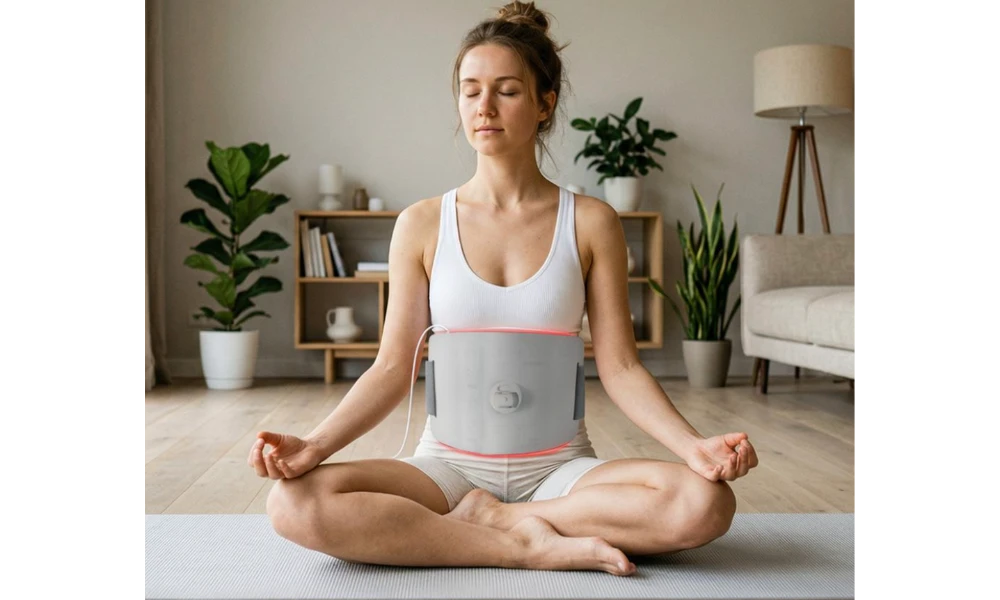
Red light therapy may support abdominal wellness and recovery by helping the body manage inflammation, improve blood flow, and repair tissue. These effects may be useful when the abdominal area needs extra support during recovery or when you simply want to maintain its overall health. In particular, red light therapy has been associated with less pain and better wound healing after abdominal surgery or a cesarean delivery. It may contribute to reducing waist circumference and promoting healthy digestive function. While these benefits are promising, they are not a replacement for medical treatment or healthy lifestyle habits.
Why Does the Abdominal Area Need Recovery and Care?
The abdomen is more than just the skin you see on the outside. It contains several layers and structures, including connective tissue, abdominal muscles, subcutaneous fat, visceral fat, and internal organs. Pregnancy, surgery, changes in body weight, physical strain, and metabolic health can affect these tissues in different ways. These changes may affect abdominal tissue structure, muscle function, inflammation, and scar formation. As a result, recovery in this area can involve more than the visible skin. Abdominal fat can also affect abdominal wellness, particularly when excess fat is present around the waist. All of these factors make abdominal care relevant to tissue recovery, physical function, and healthy body composition.
How Red Light Therapy May Support Cellular Activity
Red light therapy uses specific wavelengths of red and near-infrared light that can reach the tissues beneath the skin. When the light reaches cells, it can be absorbed by parts of mitochondria, which can help produce the energy cells need to function. With more available cellular energy, the body may be better able to carry out processes involved in tissue repair and recovery. Red light therapy may also influence processes related to inflammation and oxidative stress, which can affect how tissues respond to injury or physical strain. In simple terms, the goal is not just to expose the skin to light. The light may interact with cells in ways that support the body’s natural repair processes. How well this works can depend on factors such as the wavelength, dose, treatment area, and individual response.
What Are the Potential Benefits of Red Light Therapy for the Abdomen Area?
Red light therapy may support several aspects of abdominal wellness and recovery, including pain relief, body contouring, metabolic health, and skin quality.
- Postoperative pain and wound healing: recovering after giving birth by cesarean section or other abdominal surgery can involve pain, swelling, and a healing wound. Red light therapy may ease postoperative pain and support the body’s natural wound-healing process. Some clinical research has also reported less need for pain-relieving medication and shorter hospital stays among people receiving photobiomodulation during recovery.
- Abdominal body contouring: for abdominal contouring, reducing localized fat can help improve the shape and appearance of the waist. Red light therapy may interact with fat cells in the abdominal area, potentially causing them to release some of their stored contents. This may contribute to a reduction in waist and abdominal circumference, which can improve the overall contour of the area.
- Abdominal skin quality: red light therapy supports healthier-looking skin by stimulating collagen production and supporting skin repair. This may help maintain skin firmness, elasticity, and texture, particularly after significant stretching during pregnancy.

Why a Curved Red Light Therapy Panel May Be Useful for the Abdomen
A curved red light therapy panel can provide broader, more even coverage across the abdomen by following its natural shape. This design may make positioning more comfortable and convenient, while reducing the need to repeatedly adjust the panel or body during a session. More consistent coverage can also help deliver light evenly across the intended area.
How to Use Red Light Therapy as Part of an Abdominal Wellness Routine
A well-rounded abdominal wellness routine includes several habits that support physical well-being, including regular movement, hydration, balanced nutrition, and adequate sleep. Regular movement, such as walking, core exercises, and stretching, helps keep the abdominal and surrounding muscles active while supporting mobility. Staying hydrated also helps support normal bodily functions and healthy digestion, while balanced nutrition provides the energy and nutrients needed for muscle function and healthy body composition. Adequate sleep then gives the body time to recover from daily activity and supports overall physical well-being. Within this overall approach to wellness, red light therapy can be added as a complementary self-care practice. It provides focused light exposure to the abdominal area and can be used alongside other healthy lifestyle practices.
Can Red Light Therapy Fit Into a Fitness and Recovery Routine?
Red light therapy can fit easily into a fitness and recovery routine without taking up extra time. It can be used after a workout as part of the recovery period, as the body transitions from physical activity to rest. It may also be used on rest days when the focus is on allowing the body to recover between training sessions. Research on photobiomodulation suggests that red light therapy may support muscle recovery and help reduce exercise-related soreness.
How Often Should You Use Red Light Therapy on the Abdomen?
Building a consistent red light therapy routine starts with making it easy to fit into your day. A regular time that naturally fits the schedule, such as after exercise, during an evening self-care routine, or on designated recovery days, can make sessions easier to maintain. Keeping the device accessible and connecting red light therapy with an existing habit can also support consistency. Using it in combination with other wellness practices can make it part of a well-rounded approach to abdominal wellness.
Filed underFertility & pregnancy, Fitness & movement