You probably don’t think about your windows much until one starts rattling, sticking, or letting in a sneaky cold draft that lands right on your ankles. Then suddenly, your windows become the main characters in your day. If your home feels less cozy than it should, your windows may be trying to tell you something. The good news is you don’t need a toolbox and a science degree to spot the signs.
When comfort starts slipping
A comfortable home usually feels steady. Rooms stay warm in winter, cooler in summer, and you don’t have to play musical chairs to avoid the chilly corner by the window.
When that comfort slips, the windows are usually why. Sealing and caulking can help for a season, but old windows eventually reach the point where replacing them is the only real fix. Hire window replacement contractors to measure the openings and fit new units properly.
This doesn’t mean every older window is doomed. Some can keep going for years with small fixes. But if several windows are giving you the same issues, your home is dropping hints. Think of it like a squeaky shoe. One squeak is annoying. Ten squeaks mean it’s probably time.
Pay attention to how each room feels at different times of day. That real-life comfort test often tells you more than a quick glance at the glass.
Drafts you can feel
One of the easiest signs to notice is a draft. You sit by the window with a cup of tea, and somehow the room still feels like it borrowed weather from outside.
Air leaks can sneak in through worn seals, gaps in the frame, or windows that no longer close tightly. You might notice curtains fluttering even when everything is shut. You may feel a cool stripe of air near the bed or couch. Kids and pets usually find these spots first, mostly because they end up avoiding them.
Drafts aren’t just a comfort issue. They can make your heating and cooling system work harder, which is a bit like asking your fridge to chill the whole kitchen. It can do it, but it won’t be happy.
A simple check is to stand near the window on a windy day. If the area feels noticeably colder or warmer than the rest of the room, your windows may not be sealing the deal anymore.
Bills that keep climbing
If your energy bills keep creeping up and your usage habits haven’t changed much, your windows could be one reason. They may not be the only cause, but they’re often part of the story.
Older windows can let indoor air escape and outdoor temperatures push in. That forces your HVAC system to work longer just to keep the house at a decent temperature. You may notice this more in rooms with lots of sun or in spaces that feel hard to heat or cool.
This doesn’t mean you should panic every time the bill rises. Utility rates change, seasons shift, and homes have many moving parts. Still, if your home feels less efficient year after year, windows deserve a closer look.
Try comparing one room to another. Is the sunny back room always warmer? Does the guest room get icy much faster? When comfort and costs both feel off, the pattern matters. Your windows may be costing more than they appear to at first glance.
Noise from outside
A home should feel like a place where your brain can exhale. If outside noise seems louder than it used to, your windows may not be helping much.
You might hear traffic more clearly, or every barking dog on the block may sound like it’s auditioning in your living room. Lawn mowers, leaf blowers, and late-night car doors can all feel closer when windows are older or less insulated.
This matters more than people think. Noise affects sleep, focus, and that general sense of calm you want at home. Even if you’ve learned to tune it out, your nervous system might still be keeping score.
Not every sound problem means you need new windows, of course. But if your windows are thin, worn, or no longer sealing properly, better ones can make a noticeable difference. A quieter room often feels more restful right away. It’s not magic, but it can feel a little like it on a noisy street.
Frames showing age
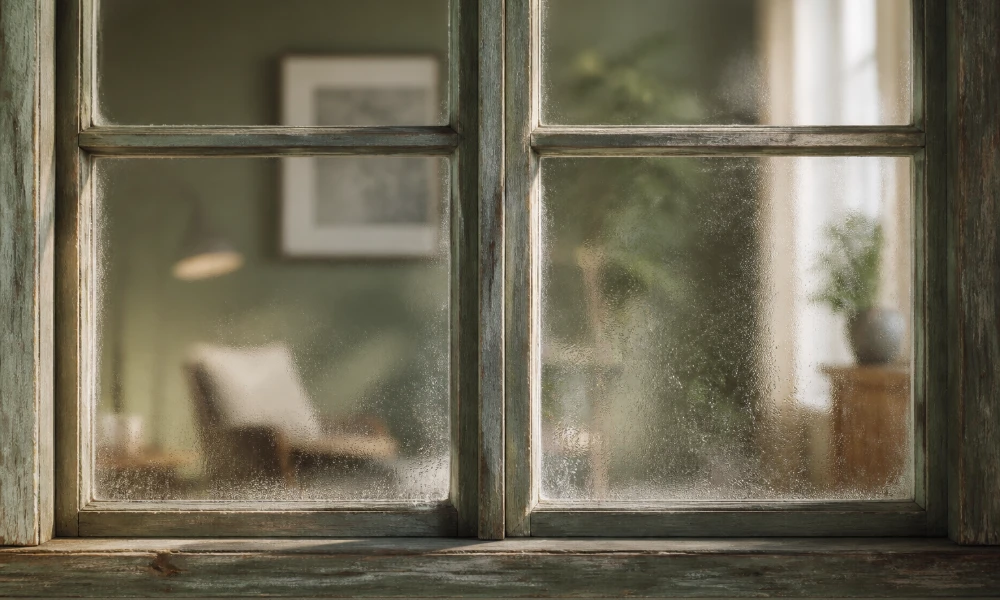
Sometimes the signs are easy to see. A window sticks every time you open it. The lock won’t catch right. Paint peels. Wood looks soft. Moisture shows up between panes and refuses to leave, as if it has signed a lease.
These visible clues usually point to wear that goes beyond surface looks. Condensation between panes can mean the seal has failed. Rotting wood can signal water damage. Cracked frames or hardware that no longer works properly can affect safety as well as comfort.
You don’t need to inspect like a detective with a magnifying glass. Just notice what has become normal in your house. If you always have to shove one window closed, or one room’s windows never seem to lock right, that’s useful information.
Repairs can help when the problem is isolated. But if several windows have the same issues, replacement may be the more practical path. At some point, patching old windows becomes the home version of reheating fries. You can do it, but it’s rarely as good.
Choosing the right time
There’s no perfect universal moment to replace windows, but there are times when it makes more sense. Many people plan it before the hottest or coldest season hits, so they’re not stuck battling drafts during weather extremes.
Others do it during a remodel, after storm damage, or once recurring problems become too annoying to ignore. If you’ve repaired the same window more than once, that’s a fair sign to step back and look at the bigger picture.
It also helps to think beyond appearance. New windows can support comfort, quieter rooms, easier cleaning, and smoother daily routines. That’s especially valuable if you spend a lot of time at home or want your space to feel calmer and easier to manage.
You don’t need to rush the decision. Just start noticing patterns. If your windows make your home less cozy, less quiet, or harder to maintain, they may be telling you the timing is right. And honestly, a home that stops whistling at you through the walls is a lovely upgrade.
- About the Author
- Latest Posts

Our Editorial Team are writers and experts in their field. Their views and opinions may not always be the views of Wellbeing Magazine. If you are under the direction of medical supervision please speak to your doctor or therapist before following the advice and recommendations in these articles.