










The Complete Guide to Facial Harmony: How Modern Wellness Embraces Both Inner Health and Outer Confidence
-
- August 21, 2025

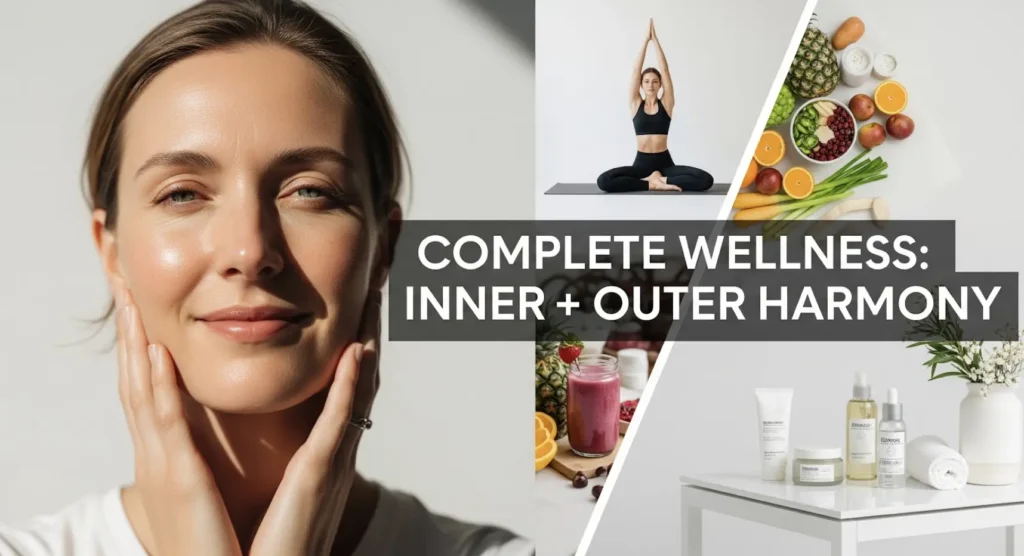
True wellness extends far beyond the boundaries of traditional health practices. While we’ve long understood the importance of nutrition, exercise, and mental wellbeing, modern wellness philosophy recognises that confidence and self-esteem play equally vital roles in our overall health journey. This holistic approach acknowledges that feeling comfortable and confident in our skin contributes significantly to our psychological well-being, stress levels, and quality of life.
The relationship between appearance and wellness isn’t superficial, it’s deeply rooted in psychology and human nature. When we feel good about how we look, we tend to carry ourselves differently, engage more confidently in social situations, and experience reduced anxiety about our appearance. This confidence boost creates a positive feedback loop that enhances our overall wellness journey, making us more likely to maintain healthy habits and pursue personal growth.
The Psychological Foundation of Appearance and Wellness
Research consistently demonstrates the connection between self-perception and overall health outcomes. Studies published in journals like Health Psychology show that individuals who feel confident about their appearance tend to have lower cortisol levels, reduced anxiety, and better social connections, all of which are crucial components of holistic wellness.
This mind-body connection means that addressing aesthetic concerns isn’t vanity; it’s a legitimate component of comprehensive self-care. Just as we might seek therapy for mental health or adjust our diet for physical health, considering appearance-related wellness choices can be part of a balanced approach to overall well-being, as discussed in Wellbeing Magazine’s guide to holistic self-care.
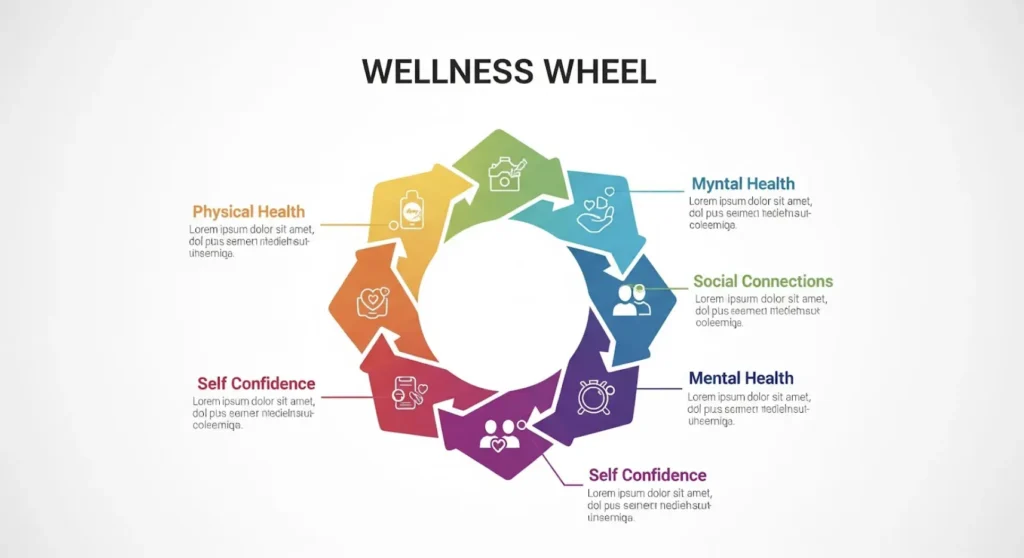
The concept of facial harmony plays a particularly significant role in this equation. Our faces are central to how we interact with the world and how others perceive us. When facial features feel proportionate and balanced, it can contribute to a sense of inner harmony that radiates outward into other areas of life.
Building Wellness from the Inside Out
The foundation of any wellness journey must begin with proven health practices. Proper nutrition provides the building blocks for healthy skin, strong bones, and vibrant energy. Regular exercise not only maintains physical fitness but also releases endorphins that naturally boost mood and confidence. Quality sleep allows our bodies to repair and regenerate, while stress management techniques help us maintain emotional balance.
These traditional wellness pillars create the framework upon which all other wellness choices build. A diet rich in antioxidants, omega-3 fatty acids, and vitamins supports skin health naturally. Consistent hydration keeps skin plump and radiant. Regular movement improves circulation, bringing nutrients to facial tissues and creating that natural glow that comes from good health.
Mindfulness practices and meditation contribute to the relaxed, centred appearance that reflects inner peace. When we’re stressed, it shows in our faces through tension, frowning, and premature ageing. By managing stress effectively, we naturally enhance our appearance while supporting our overall health.
The Role of Facial Proportion in Overall Well-being
Facial harmony refers to the balanced relationship between different facial features. When features complement each other proportionally, it creates a sense of aesthetic balance that many find pleasing and confidence-boosting. This isn’t about conforming to arbitrary beauty standards, but rather about achieving proportion that feels natural and harmonious for each individual’s unique features.
The golden ratio, a mathematical principle found throughout nature, appears in facial proportions that many find naturally appealing. This scientific basis suggests that our appreciation for facial harmony isn’t merely cultural but may be hardwired into human perception.
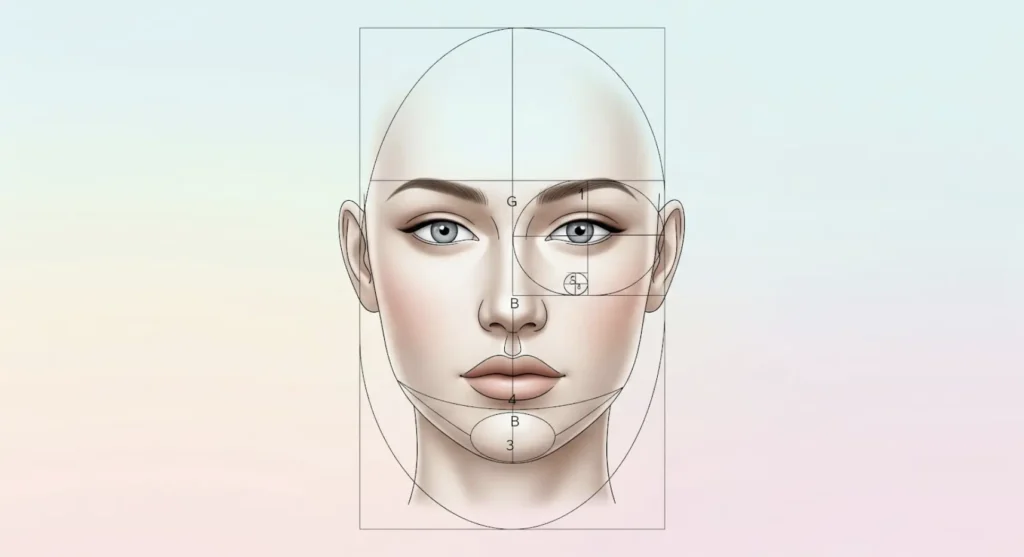
Understanding facial anatomy helps explain why certain proportions create visual harmony. The relationship between the forehead, midface, and lower face contributes to overall facial balance. When these proportions align naturally, it can enhance one’s sense of confidence and self-assurance.
Modern Approaches to Facial Enhancement
Today’s wellness-conscious individuals have access to numerous options for enhancing facial harmony, ranging from non-invasive treatments to more comprehensive procedures. The key is choosing approaches that align with individual goals, lifestyle, and values while prioritising safety and natural-looking results.
Non-invasive options include professional skincare treatments, facial massage, and cosmetic techniques that enhance natural features. These approaches focus on optimising existing features and can be excellent starting points for those exploring aesthetic wellness.
For individuals seeking more significant changes to facial proportion and harmony, surgical options provide lasting results. Facial implants represent one such option, offering the ability to enhance specific facial areas to create better overall proportion. These procedures can address concerns about chin projection, cheek definition, or jawline structure, contributing to improved facial harmony.
The decision to pursue any aesthetic enhancement should be made thoughtfully, with careful consideration of goals, expectations, and lifestyle factors. Professional consultation with qualified practitioners ensures that choices align with individual anatomy and desired outcomes, as emphasized by the American Society of Plastic Surgeons.
Integrating Aesthetic Choices with Holistic Wellness
The most successful approach to aesthetic enhancement integrates seamlessly with existing wellness practices. This means maintaining healthy lifestyle habits before, during, and after any cosmetic procedures. Good nutrition supports healing, regular exercise maintains overall health, and stress management contributes to optimal recovery.
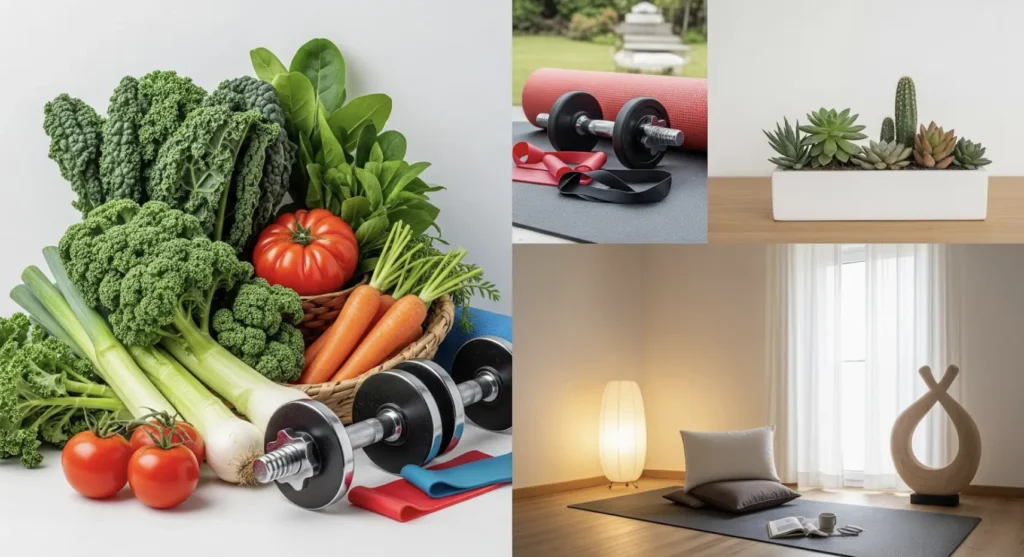
Pre-procedure preparation might include optimising nutrition, ensuring adequate sleep, and managing stress levels. These same practices that support general health also create ideal conditions for any aesthetic procedures and subsequent healing.
Post-procedure care often mirrors general wellness practices: protecting skin from sun damage, maintaining hydration, following professional guidance, and allowing adequate recovery time. This overlap reinforces how aesthetic choices can complement rather than compete with healthy lifestyle habits.
Making Informed Wellness Decisions
Whether considering lifestyle changes, skincare improvements, or aesthetic procedures, informed decision-making remains paramount. This involves researching options thoroughly, understanding potential outcomes and risks, and consulting with qualified professionals who prioritise patient education and safety.
Questions to consider include: How will this choice support my overall wellness goals? Does this align with my values and lifestyle? Am I approaching this decision from a place of self-care rather than external pressure? Have I explored all options and fully understood what’s involved?
The best aesthetic choices often feel like natural extensions of existing self-care practices rather than dramatic departures from one’s wellness philosophy, as outlined in research from the International Journal of Women’s Health.
Creating Your Wellness Strategy
Developing a comprehensive wellness strategy that includes both inner health practices and outer confidence-building options requires honest self-assessment and clear goal-setting. Consider what aspects of wellness matter most to you and how different approaches might support your overall objectives.
Some individuals find that addressing aesthetic concerns enhances their motivation for other healthy behaviors. When we feel confident about our appearance, we may be more likely to maintain exercise routines, make healthy food choices, and engage socially—all contributing to overall well-being.
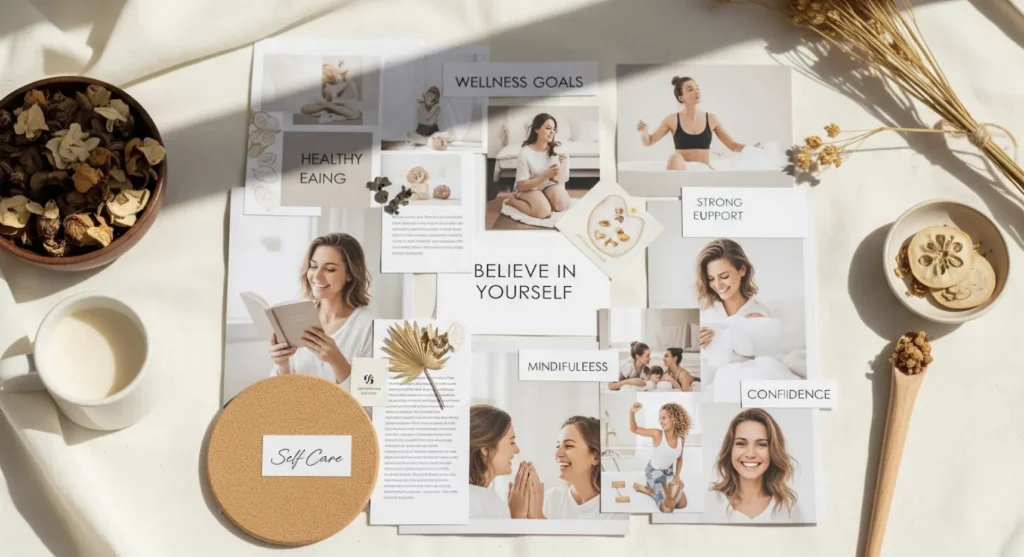
Others prefer to establish strong foundational health practices before considering aesthetic enhancements. There’s no single correct approach the key is finding the combination that feels authentic and supportive of your wellness journey.
Frequently Asked Questions About Facial Harmony and Wellness
How do I know if aesthetic concerns are impacting my overall wellness? Signs might include avoiding social situations, spending excessive time worrying about appearance, or feeling that aesthetic concerns interfere with daily activities or relationships. When appearance-related anxiety affects quality of life, addressing these concerns becomes a legitimate wellness consideration.
What’s the difference between wanting to improve appearance and having unrealistic expectations? Healthy aesthetic goals typically involve enhancing natural features or addressing specific proportion concerns while maintaining realistic expectations about outcomes. Unrealistic expectations include attempting to change one’s appearance completely or believing that aesthetic changes alone will solve all life problems.
How can I ensure that aesthetic choices support rather than detract from my wellness journey? Focus on procedures that enhance rather than dramatically alter natural features, work with qualified professionals who prioritise education and safety, maintain healthy lifestyle practices throughout the process, and ensure that decisions align with your values and goals.
Should I address lifestyle factors before considering cosmetic procedures? While not always necessary, establishing healthy habits often creates better conditions for any aesthetic procedures and can enhance satisfaction with results. Many practitioners recommend optimising nutrition, exercise, and stress management as part of comprehensive aesthetic planning.
Embracing Comprehensive Wellness
The evolution of wellness thinking recognises that true health encompasses multiple dimensions of human experience. Physical health, mental well-being, social connections, and self-confidence all contribute to our overall quality of life. By acknowledging that appearance and self-perception play legitimate roles in wellness, we can make more holistic choices that support our complete well-being.
This doesn’t mean that aesthetic concerns should dominate our wellness focus, but rather that they deserve consideration alongside other health factors. When approached thoughtfully, attention to appearance can complement and enhance other wellness practices rather than competing with them.
The goal isn’t perfection but rather harmony, finding the combination of inner health practices and outer confidence-building choices that support your wellness journey. Whether this includes traditional health practices alone or incorporates aesthetic enhancements depends entirely on personal goals, values, and circumstances.
By embracing this comprehensive approach to wellness, we empower ourselves to make informed choices that support not just how we look, but how we feel, connect with others, and move through the world with confidence and vitality.
Ready to explore how facial harmony might fit into your wellness journey? Consider scheduling a consultation with a qualified facial aesthetics specialist to discuss your goals and learn about options that align with your comprehensive wellness strategy.
- About the Author
- Latest Posts

Our Editorial Team are writers and experts in their field. Their views and opinions may not always be the views of Wellbeing Magazine. If you are under the direction of medical supervision please speak to your doctor or therapist before following the advice and recommendations in these articles.


