










Understanding How HTRF Readers Advance Molecular Research
-
- October 1, 2025

Molecular research is a growing field that relies on advanced technology to improve our understanding of biological processes. One of the most innovative developments in this domain is the use of high-throughput resonance fluorescence (HTRF) readers. These sophisticated tools are pivotal in various applications, including drug discovery, biomolecular interactions, and cellular analysis.
Researchers and scientists are seeking efficient methods to gather data from their experiments. Through precision and speed, these readers promote high-throughput screening, enabling researchers to unveil significant insights into molecular interactions and function.
The Mechanism Behind HTRF Technology
HTRF technology employs a unique mechanism that allows for the sensitive detection of biomolecular interactions. This method utilizes a combination of donor and acceptor molecules, linked to two different binding partners. When these molecules are brought together, a resonance energy transfer occurs, which generates a measurable signal.
The efficiency of this transfer is highly influenced by the proximity of the two moieties, making HTRF a reliable indicator of interactions. HTRF technology can assess multiple interactions in a single sample, streamlining the process and reducing the time and materials needed for experiments. This approach is less prone to interference from autofluorescence, a common challenge in other fluorescence techniques. Researchers can achieve a higher throughput in their assays so that extensive data can be analyzed quickly.
Applications in Drug Discovery
Drug discovery is one of the primary fields benefiting from HTRF technology. Researchers tasked with identifying new therapeutic candidates can utilize HTRF plate readers to evaluate compound interactions with specific targets rapidly. These plate readers enable high-throughput screening of compound libraries. The ability to measure multiple interactions at once accelerates the identification of lead compounds.
The use of HTRF technology can pinpoint the affinity and specificity of these compounds towards biological targets, offering crucial information for further development. Studies have shown that HTRF enables a more extensive exploration of interaction networks, potentially revealing unique druggable sites. The integration of HTRF in drug discovery processes speeds up the timeline for identifying new treatments and improves efficiency.
Protein-Protein Interactions
A better knowledge of protein-protein interactions elucidates cellular mechanisms. HTRF readers provide a more innovative approach for investigating these interactions due to their sensitivity and flexibility. Label proteins with specific donor and acceptor pairs, and researchers can monitor their interactions in real time.
HTRF allows scientists to dissect intricate networks of interactions, contributing valuable insights into the molecular basis of diseases. The quantitative data generated from these assays can validate biological hypotheses. The adaptation of HTRF technology in measuring the kinetics of protein interactions improves its attractiveness.
HTRF in Cellular Analysis
By applying HTRF methods, researchers can assess multivalent interactions at the cellular level, examining how different stimuli affect cellular responses. Analyzing signal transduction pathways will help researchers understand how cells communicate and respond to their environment. Performing multiplex assays with HTRF enables scientists to evaluate several biomarkers simultaneously, producing complete profiles of cellular activity.
The low sample volume requirement accommodates high-throughput screening formats, ideal for large-scale studies. With real-time monitoring capabilities, HTRF offers insights and allows researchers to observe the kinetics of cellular responses. Integrating HTRF technology in cellular analysis opens the road for groundbreaking discoveries in cell biology and pharmacology.
Advancements in Assay Development
Assay development aims to maximize the efficacy of research protocols, and HTRF contributes to this field through robust assay capabilities. Given its versatility, HTRF technology can be tailored to a wide range of experimental designs, addressing the specific needs of different research objectives. Researchers are capable of customizing assays for various targets, including nucleic acids, proteins, and small molecules. This adaptability opens up opportunities for innovative applications beyond traditional protein-protein interactions, like investigating epigenetics and gene regulation.
The ease of developing unitized assays enables laboratories to streamline their workflows and boost productivity. Data analysis is simplified with user-friendly software that allows for straightforward interpretation of results. The combination of these features means that researchers spend less time troubleshooting and more time focusing on meaningful data interpretation, improving the efficiency of molecular research.
Integrating HTRF with Other Technologies
HTRF technology can be integrated with other analytical platforms, creating a synergistic approach to experimental design. Combining HTRF with mass spectrometry or next-generation sequencing can deliver complementary data that expands the understanding of molecular interactions. Validating HTRF results with mass spectrometry can provide confirmation of specific binding events and the identities of interacting partners.
Pairing HTRF assays with advanced imaging techniques allows researchers to visualize interactions in biological contexts, offering spatial insights alongside quantitative data. Such integration increases the robustness of the findings and positions researchers to address more complex biological questions. This multipronged approach encourages collaboration and interdisciplinary research, driving innovation in the molecular sciences.
HTRF in Biomarker Discovery
Biomarker discovery provides key indicators for disease diagnosis, prognosis, and treatment monitoring. HTRF readers enable scientists to screen and validate biomarkers with high sensitivity and precision. With multiplex assays, researchers can evaluate multiple biomarkers within a single sample and reduce time and cost.
The low interference of HTRF technology minimizes false positives to achieve more accurate results compared to conventional fluorescence techniques. Biomarker panels developed with HTRF methods are being applied to oncology, immunology, and neurodegenerative disease studies, supporting the development of personalized medicine strategies. The capability to detect subtle molecular changes across diverse biological samples highlights the importance of HTRF in advancing biomarker research and clinical applications.
The Future of HTRF Technology
The future of HTRF technology looks promising. Ongoing advancements aim to improve sensitivity and multiplexing capabilities. Researchers are optimistic about the potential applications of HTRF in personalized medicine and regenerative therapy.
Developments in miniaturization and automation will drive the adoption of HTRF in point-of-care settings. This shift has the potential to democratize access to high-tech assays, making them available in less specialized environments. With continuous improvements in software and data analysis, the interpretation of results will become more intuitive.
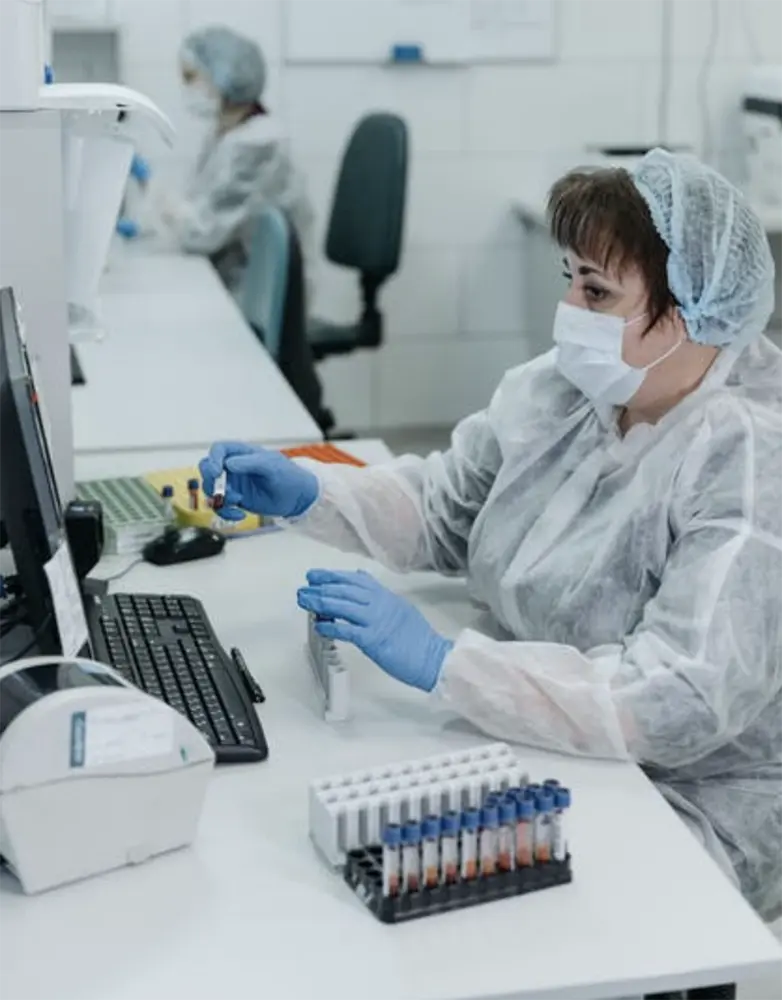
HTRF readers are revolutionizing molecular research by providing vital tools for researchers across various fields. Their capacity to streamline drug discovery, explain protein interactions, and improve cellular analysis underscores their significance. Continuous advancements within this technology promise to drive further innovations in molecular biology. As researchers harness the potential of HTRF, we can anticipate a future marked by unprecedented discoveries that will impact medicine and science profoundly.
- About the Author
- Latest Posts

Our Editorial Team are writers and experts in their field. Their views and opinions may not always be the views of Wellbeing Magazine. If you are under the direction of medical supervision please speak to your doctor or therapist before following the advice and recommendations in these articles.


