
What a Career Caring for Older Adults Really Looks Like
If you’ve ever watched a great nurse make someone feel safe in a scary moment, you already know this job is about more than charts and clipboards. Caring…
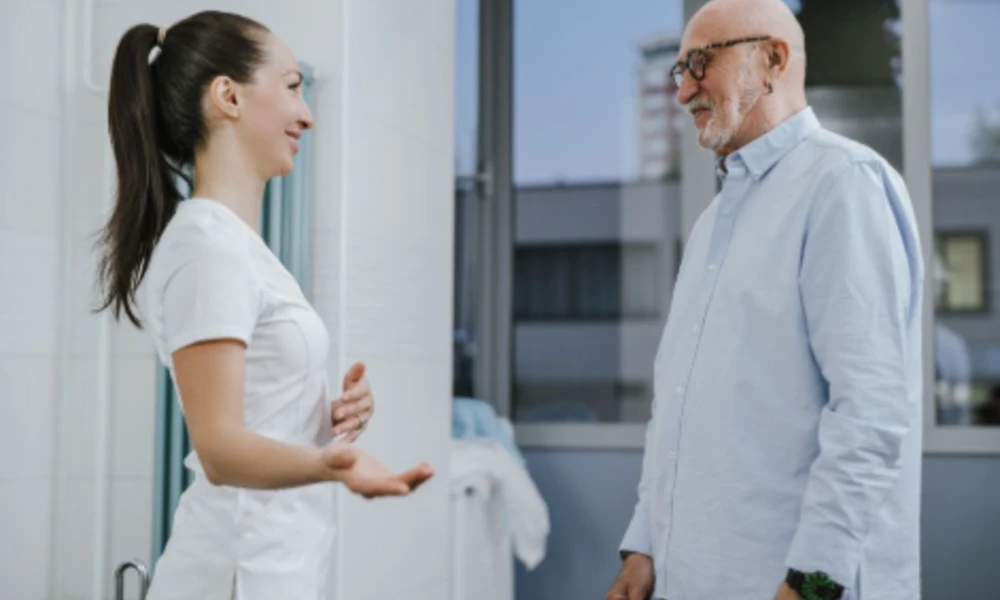
If you’ve ever watched a great nurse make someone feel safe in a scary moment, you already know this job is about more than charts and clipboards. Caring for older adults takes patience, clear thinking, and a big heart. It also opens the door to work that feels useful every single day. If you’re thinking about where nursing can lead next, this path is worth a serious look, especially if you want a role that mixes purpose with steady career growth.
Why this path matters
As people live longer, healthcare needs change in a very real, everyday way. More families need support for aging parents and grandparents, and general nursing training only goes so far when a patient is managing five conditions, eight medications, and a memory that isn't what it was. That gap is exactly what geriatric nurse practitioner degree programs are built to close, with coursework in age-related conditions, polypharmacy, and the assessment skills those cases demand.
The work goes well beyond treating illness. It's also about helping people stay comfortable, independent, and heard.
This career can fit people who like the human side of healthcare. Older patients often need someone who can slow things down, explain things clearly, and notice the little details. That kind of care matters more than ever. You're not just filling a job slot. You're stepping into work that families often remember for years.
What the role looks like
A nurse practitioner focused on older adults usually helps with ongoing care, common health issues, and everyday quality of life. You might check symptoms, review medications, order tests, and talk through treatment plans. Some days are busy. Some are emotional. Many are both before lunch.
A big part of the job is communication. You may help a patient understand why a medicine changed or explain next steps to a worried family member. That sounds simple, but it takes real skill. Healthcare language can get confusing fast, like trying to read a recipe written by a robot.
You’re also often looking at the bigger picture. Is someone having trouble sleeping, eating, walking, or remembering appointments? Those details can tell an important story. This role is less about dramatic TV-style emergencies and more about steady, thoughtful care that helps people feel better over time.
Skills that truly help
You don’t need to be the loudest person in the room to do well here. In fact, calm energy often wins. Older patients may be dealing with pain, stress, memory changes, or fear about what comes next. If you can stay patient and grounded, you already have something valuable.
Listening matters a lot. Sometimes a person’s main concern isn’t the thing listed on the chart. It might be that they’re scared to fall again or embarrassed to ask for help at home. Good care starts when you notice what people mean, not just what they say.
It also helps to be organized. You’ll likely juggle follow-ups, medication questions, and different care needs from one patient to the next. Empathy is huge, but sticky notes and a solid routine don’t hurt either. The best people for this role often mix kindness with common sense. You want to be warm, but also able to make clear choices when something needs attention right away.
When online learning helps
For a lot of nurses, going back to school sounds exciting until real life barges in with a laundry basket and a night shift. That’s where flexible learning can make a big difference. Online study can give you more room to plan coursework around your actual life instead of pretending you have endless free time.
If you’re working, raising kids, helping family, or just trying to keep your week from turning into chaos soup, a flexible format may feel more realistic. You can often study early in the morning, on weekends, or during quieter parts of your schedule.
That doesn’t mean it’s easy. It still takes discipline and energy. You’ll need to stay on top of deadlines and make space for clinical requirements. But for many people, online learning is the reason graduate education becomes possible at all.
The key is choosing a program format that matches your life now, not the fantasy version where you suddenly become a perfectly scheduled superhero.
Questions to ask first
Before you apply, pause and ask a few honest questions. This can save you stress later and help you choose a path that really fits.
A simple checklist can help:
- Does the schedule work with your job and home life?
- What kind of student support is offered?
- How do clinical placements work?
- What is the total cost, not just the headline tuition?
- Does the program match your long-term goals?
Please also consider your own learning style. Are you good at managing time on your own? Do you like independent study, or do you need frequent check-ins to stay on track?
It’s smart to picture the finish line too. Where do you want to work after graduation? A hospital, outpatient clinic, long-term care setting, or something more community-based? When your plan matches your everyday reality, your chances of sticking with it go way up.
A career with heart
Some healthcare jobs are all action. This one is more about connection, consistency, and trust. You get the chance to help people through a stage of life that can feel confusing or lonely. That matters. A lot.
Working with older adults can also teach you things no textbook covers well. You hear life stories, family lessons, regrets, jokes, and wisdom that lands when you least expect it. One patient may remind you to slow down. Another may make you laugh harder than anyone else on your shift.
From a career point of view, this path can offer stability and purpose at the same time. That’s a pretty solid combo. If you want work that uses your nursing background while letting you grow into a more independent role, this direction makes sense.
At the center of it all is something simple. You’re helping people feel cared for when they need it most. That’s not flashy, but it’s powerful. And honestly, that kind of work never gets old.


