
What Muscles Do Leg Curls Work?
Explore which muscles leg curls work, from the hamstrings to the calves, plus proper form and variations to build up strength, and protect your knees.
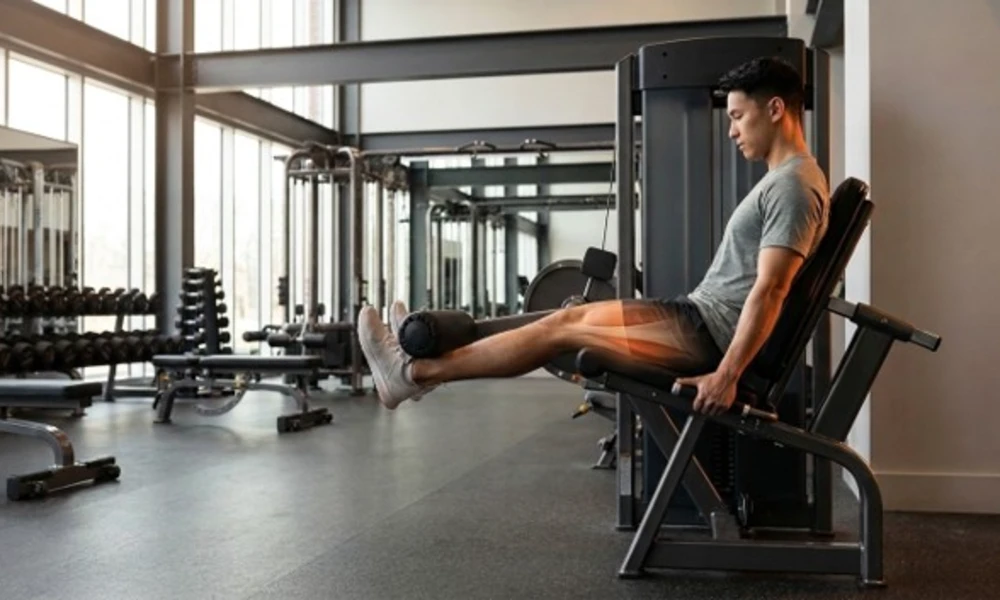
The hamstrings do most of the work when you flex your knee, yet many lifters train them less than the quads. Leg curls close that gap because they isolate knee flexion and force the muscles at the back of your thigh to contract through a full range. This guide breaks down every muscle a leg curl recruits, from the three hamstring heads to the supporting calves and glutes, and shows you how to get more from each rep.
Which Muscles Do Leg Curls Target?
Isolating the hamstrings well depends heavily on the machine you train on, since a stable, well-built unit lets you load knee flexion without cheating the movement. Commercial manufacturers like Atlantis Strength build a dedicated leg curl machine engineered for smooth resistance and a natural movement path, which keeps tension on the hamstrings through the full range. That controlled loading is what turns each rep into real muscle stimulus instead of momentum.
Leg curls primarily target the hamstrings, the muscle group that runs along the back of your thigh from the hip to the knee. Because the movement is built around knee flexion, it places the hamstrings under direct tension while keeping the quads and hips out of the way. That isolation is what makes the exercise so effective for balanced leg development.
The Hamstring Group: Biceps Femoris, Semitendinosus, and Semimembranosus
Your hamstrings aren't a single muscle. They're a group of three: the biceps femoris on the outer thigh, and the semitendinosus and semimembranosus on the inner thigh. The biceps femoris drives most of the outward rotation and knee flexion, while the two inner muscles handle inward rotation and assist hip extension. A leg curl trains all three at once, though your foot position can shift the emphasis slightly toward the inner or outer heads.
What Role Do the Calves and Glutes Play?
The hamstrings get the spotlight, but they don't work alone. The gastrocnemius, the larger calf muscle, crosses the knee joint and assists during flexion, especially when your toes are pointed. The glutes and the smaller stabilizers around the hip also fire to keep your pelvis steady through the rep. These muscles act as secondary movers, so the leg curl stays hamstring-dominant while still recruiting the surrounding chain.
How Do Leg Curls Activate the Hamstrings?
A leg curl activates the hamstrings by asking them to do the one thing they're built for: bending the knee against resistance. As you pull your heel toward your glutes, the hamstrings shorten under load, then lengthen under control as you lower the weight. That mix of shortening and lengthening tension is what builds both strength and size.
Knee Flexion vs Hip Extension: Why the Movement Matters
The hamstrings have two jobs: they flex the knee, and they extend the hip. Leg curls target the first, while movements like Romanian deadlifts target the second. Training only one leaves half the muscle's function underdeveloped. That's why leg curls pair so well with hip-hinge exercises, since together they cover the full range of what your hamstrings can do.
Do Seated and Lying Leg Curls Change Muscle Activation?
Yes, the position changes how the hamstrings load. In a seated leg curl, your hips are bent, which lengthens the hamstrings before the rep starts and increases stretch tension. In a lying leg curl, your hips stay extended, which shifts more of the work toward peak contraction. Neither is better across the board, so rotating between the two gives your hamstrings a more complete stimulus.
What Are the Benefits of Training Hamstrings With Leg Curls?
Strong hamstrings do more than fill out your legs. They protect your knees, power athletic movement, and correct the imbalances that come from quad-dominant training. Leg curls deliver these benefits because they load a function that squats and presses largely ignore.
How Do Strong Hamstrings Prevent Injury?
The hamstrings act as a brake for the knee, controlling how far the joint extends and resisting the forward pull of the quads. When they're weak, that balance breaks down, and the risk of strains and knee problems rises. By strengthening knee flexion directly, leg curls help restore the front-to-back balance that keeps the joint stable during running, jumping, and heavy lifting.
Do Leg Curls Improve Athletic Performance?
Sprinting, jumping, and quick changes of direction all depend on explosive hamstring contraction. Leg curls build the strength and control behind those movements, which is why so many athletes program them. Stronger hamstrings also transfer to bigger lifts, since a stable knee lets you drive more force through squats and deadlifts.
How to Perform Leg Curls With Proper Form
Good form turns a leg curl from a leg-day filler into a real hamstring builder. Set the pad just above your heels, keep your hips pressed into the bench, and curl the weight in a smooth arc without jerking. Control the lowering phase for 2 to 3 seconds, since that's where much of the muscle-building tension lives.
Which Common Mistakes Reduce Muscle Activation?
The most common mistake is using momentum, swinging the weight up instead of curling it. Lifting your hips off the pad is another, because it shortens the range and pulls load away from the hamstrings. Going too heavy forces both errors, so drop the weight until you can move it under control.
How Often Should You Train Leg Curls?
Most lifters see good results training hamstrings 2 to 3 times per week, with leg curls as one part of that work. Because the movement is isolation-focused, it recovers quickly and pairs well with heavier compound lifts earlier in the session. Aim for 3 to 4 sets of 8 to 15 reps, and adjust based on how your legs respond.
Which Leg Curl Variations Should You Try?
The leg curl comes in several forms, and each loads the hamstrings a little differently. Rotating through them keeps your training balanced and helps you avoid the plateaus that come from repeating the same movement.
Lying, Seated, and Standing Leg Curl Differences
The lying leg curl works both legs with your hips extended. The seated version adds stretch tension by bending the hips. The standing leg curl trains one leg at a time, which helps you catch and fix side-to-side imbalances. Most commercial gyms offer at least one of these, and rotating between them covers every angle of hamstring flexion.
Can You Work the Same Muscles Without a Machine?
Yes, though it takes more effort to match the isolation. Nordic curls, stability-ball curls, and slider curls all train knee flexion using your body weight. These moves are handy at home, but they're harder to load progressively, so a dedicated machine stays the most reliable way to add resistance over time.
Key Takeaways on the Muscles Leg Curls Work
Leg curls are one of the few exercises that isolate the hamstrings through knee flexion, hitting all three heads while recruiting the calves and glutes as support. They protect the knee, sharpen athletic movement, and balance out quad-heavy training. Add them 2 to 3 times a week, rotate your variations, and control every rep to get the most from the muscles at the back of your legs.
Frequently Asked Questions About Leg Curls
Do Leg Curls Work Your Glutes?
Leg curls recruit the glutes as stabilizers, but they don't train them directly. The glutes fire to keep your pelvis steady during the rep, while the hamstrings do the actual work of bending the knee. For direct glute development, pair leg curls with hip-hinge movements like Romanian deadlifts or hip thrusts.
Are Leg Curls Enough for Complete Hamstring Development?
Not on their own. Leg curls train knee flexion, but the hamstrings also extend the hip, a function they don't cover. Combining leg curls with hip-hinge exercises gives you complete development across both of the muscle's main jobs.
Can Beginners Do Leg Curls Safely?
Yes, leg curls are one of the safer hamstring exercises for beginners because the machine guides the movement. Start light, focus on control, and keep your hips down throughout the rep. As your form improves, add resistance gradually.