Everyone knows that exercise is good for mental health. It’s said so much it’s become somewhat cliché like drinking more water or getting enough sleep; yes, we all know this. But physical training is not all created equal for the brain and that is the point. It’s one thing to tell someone “you’ll feel better” but when no tangible rewards support that, it’s another thing altogether.
The link between movement and mental health is entirely real. It’s just much more specific than the general statements allow for. Some forms of training actually render clear mental health benefits that are consistently felt across populations. Other trainings that just work the body, however, have little connection to stress reduction, anxiety facilitation, or mental space, which is where physical training gets complicated. There are three main distinctions through which effective types of training for mental health rely upon to differentiate between those that just get the heart pumping.
Why “Just Exercise” Doesn’t Cut It
Telling someone “just exercise” for mental health is akin to telling them “just eat food” for sustenance—technically true and completely irrelevant. A singular run has a mental impact different from team play. Lifting by yourself in a gym has a new mental component from partner training in a more interactive arena.
What’s important is ownership—true ownership. Actions that take all of your focus where you cannot possibly zone out and start thinking about work or stressing about bills or rehashing an awkward encounter from three days ago have much greater positive benefits for mental health. There’s an actual break from ruminating because there’s something mentally engaged taking all of one’s focus.
Why Combat Sports Training Functions Differently
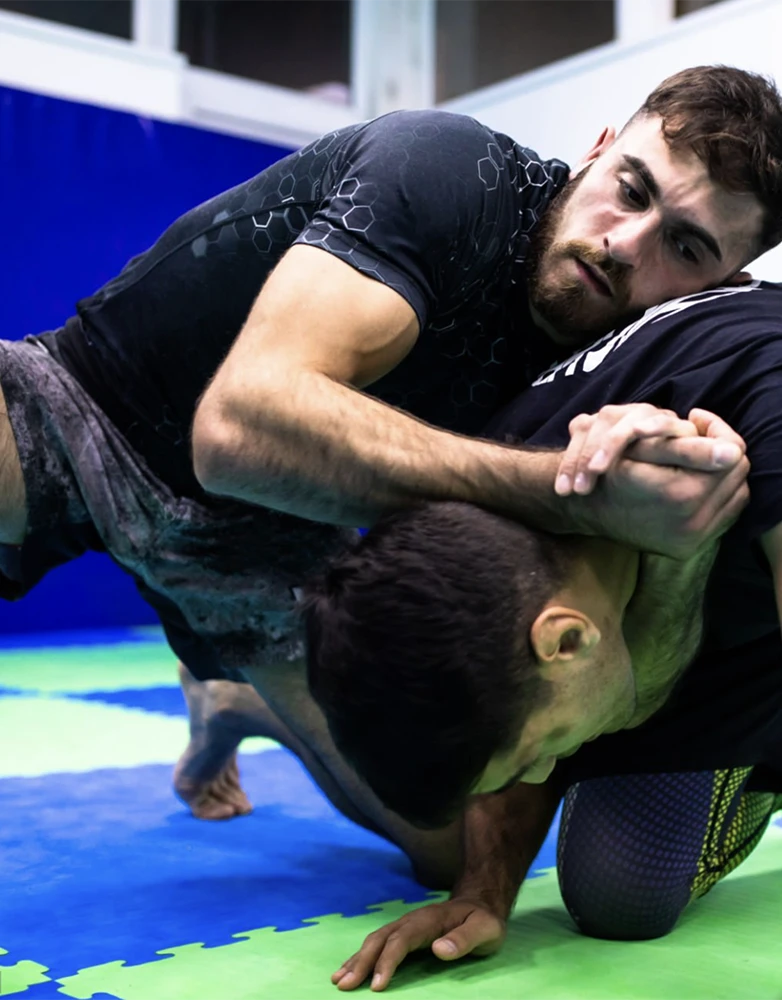
The thing about grappling arts like Brazilian Jiu-Jitsu is that this engaged state materializes almost automatically. There’s no time to think about work when someone is trying to choke you out (in a safe way, of course). The implementation needs complete focus, which is hard to fake or barely participate in.
There’s a problem-solving element at play, too, that’s crucial. Every roll and spar session is like chess in motion—there’s reading what’s happening as it develops, adjusting what’s going on right now, navigating real-time decision-making as there’s time pressure. This cognitive focus compounded by physical movement seems neurologically different than repetitive motion without much thinking involved.
For those with anxiety, the physical exertion married with technical focus is often a relief that other more gentle actions do not provide. There’s something about applied aggression and physical problem-solving that processes stress differently than trying to run it off. People who train through bjj training sydney sessions often remark how after class they feel more mentally clear than after other exercises they’ve pursued—they note it’s less of a high and more sustained over time—instead of dependent upon the immediate post-workout high that dissipates within an hour.
The Social Element Nobody Expects
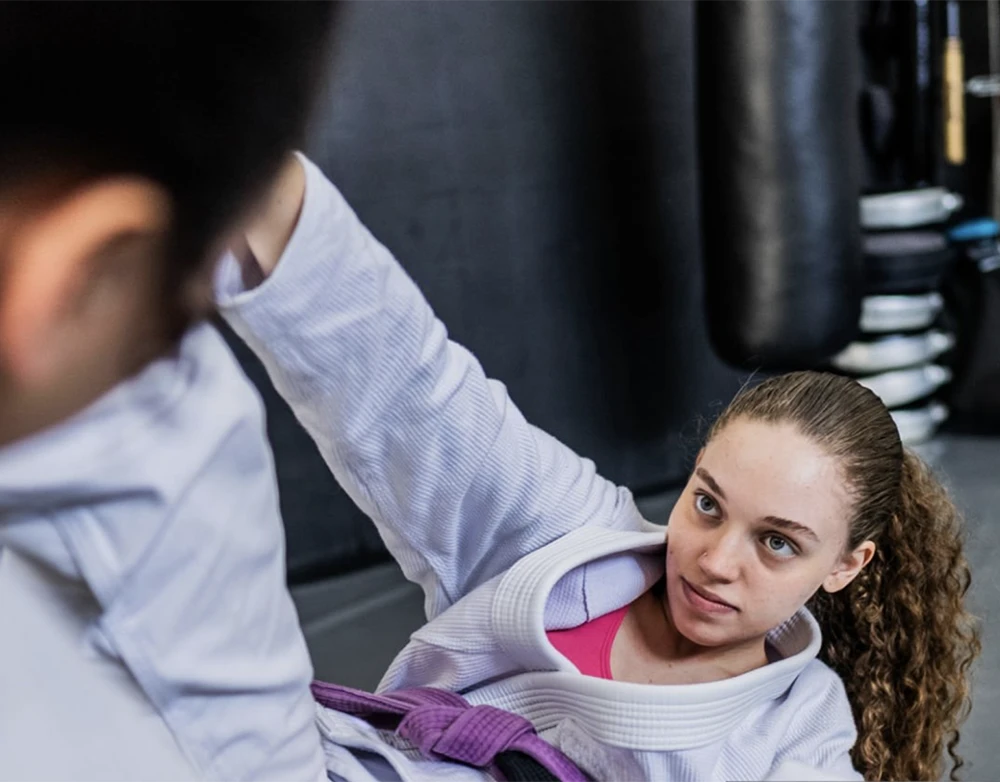
Accountability partners extend much more beyond just getting to class; when one learns techniques with someone, they’re working through positions together. They can troubleshoot why something isn’t working—which builds a social connection that doesn’t require forced small talk or pitching oneself at a networking event. This is natural collaboration toward a common goal, which hits differently.
This makes a greater difference for mental health than people believe. Social isolation exacerbates mental health challenges in well-documented ways. Much of traditional exercise, however, is fundamentally solitary work, right? Even group classes are about working next to others instead of with them. Combat sports training relies upon authentic partnership and communicative connection in ways that other physical training do not.
The Learning Curve Is Welcome
Here’s something counterintuitive to how people perceive martial arts that’s actually a benefit to their mental health usefulness—martial arts are notoriously hard to learn! There’s always something else to learn, be better at, nuance new techniques through, always another detail to appreciate. This consistently engages the mind where one is always working and has tangible stimulation for months and years down the line.
Compare that with other activities that plateau quickly; once you run three miles comfortably, you run three miles comfortably—it’s maintenance at that point. With grappling arts, even black belts are still learning new things, getting caught by moves they haven’t seen before, appreciating nuances of movements they’ve performed literally thousands of times.
This consistent learning curve renders training mentally engaging—and offers small victories and developed confidence benchmarks—and significant benefit to mood improvement and confidence. This means a lot to people suffering from mental health problems; having tangible proof of improvement in any sector means more than one expects.
Getting the Intensity Right
Physical training becomes problematic when it attains the wrong intensity metrics. If something isn’t intense enough, it doesn’t activate the physiological reality necessary for mood improvement—if it’s too intense, it’s compounding stress on top of existing stress which certainly doesn’t help any situation better. Combat sports naturally create this through the structure in which sessions manifest.
Technique practice operates at moderate intensity—enough to get the heart rate up without grinding down the body into exhaustion. Sparring/rolling incorporates overwhelming intensity but only within bursts and regulated rest between rounds. The variation keeps things intense enough within physiological gain without fostering patterns of stress response that overwhelm.
This also depends on control; one learns how much pressure to apply or when to release or how much resistance to give versus submission—which teaches stress management on a physiological level to further stress management outside of combat sports arenas. It’s not metaphorical—you’re literally experiencing it through body awareness and physical training.
Why People Stick With It
Exercise for mental health means nothing if you’re not going to stick with it. There’s no benefit if you quit after three weeks no matter how effective it may have been. Combat sports training boasts better long-term adherence than many other physical activities and therein lies a reliable motivation.
The differentiated skill acquisition lends itself to movement that pure fitness doesn’t possess—people want to see how far they can go, they want to better understand techniques, they want to see if what seemed impossible six months ago is now possible. They want to challenge themselves in ways they didn’t think they could, which creates authentic encouragement instead of making the participant feel guilty when they think they “should exercise.”
Being Realistic About Training Benefits
Physical training helps mental health—solid research supports this—but it’s not magic and doesn’t subvert actual therapy or trained professionals when mental health consideration warrant such advanced intervention. Those battling real challenges such as clinical depression or anxiety disorders need professionals—not exercise recommendations from Google.
But for daily stress management, processing difficult emotions, building psychological resilience and maintaining psychological wellness, the right kind of physical training makes a tangible difference found in day-to-day living.
Combat sports training specifically checks off many boxes: physical intensity, authentic mental engagement from cognitive processing requirements, social connection without forced interaction, ongoing skill development, and greater community support than other types arenas exist. That combination is actually harder to find than people believe, which likely explains why many who enter into grappling arts fields end up staying there long-term even if they believed they’d never enter such a realm.
Finding physical training that engages body and mind simultaneously, socially engages without awkwardly interpersonal required development, and champions ongoing challenge while eschewing overwhelming regulation means something more than just physical movement—it means mental wellness support that’s effective beyond the hour spent on the mat.
- About the Author
- Latest Posts

Our Editorial Team are writers and experts in their field. Their views and opinions may not always be the views of Wellbeing Magazine. If you are under the direction of medical supervision please speak to your doctor or therapist before following the advice and recommendations in these articles.