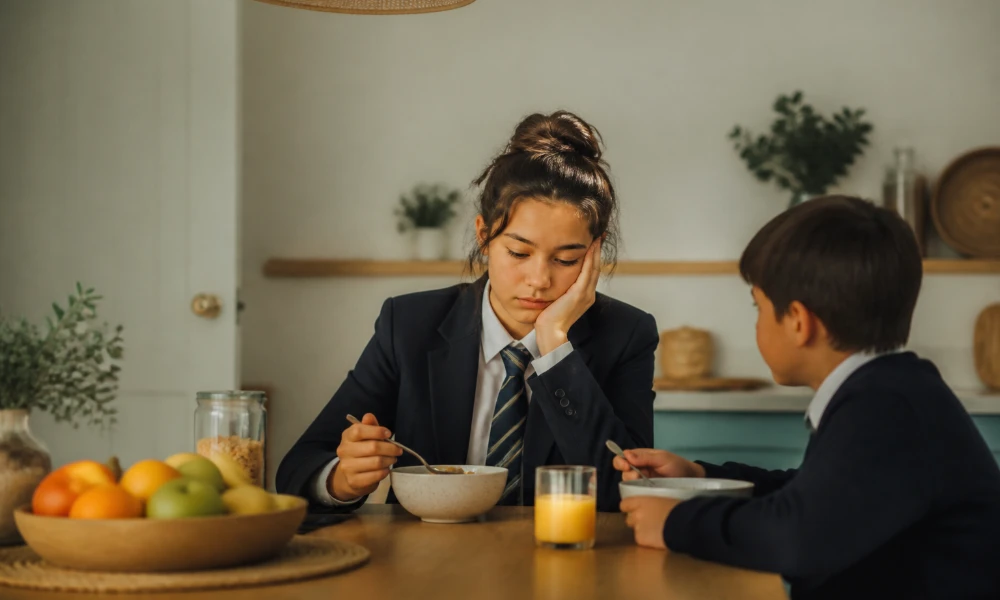
Back to School Health Guide: Keeping Children Healthy Throughout the School Year
Discover practical back-to-school health tips for parents, including children's vitamins, healthy lunchboxes, verrucas, head lice and common school illnesses.
From classroom coughs and tummy bugs to head lice, verrucas and the daily challenge of packing a healthy lunchbox, school life brings plenty of health concerns for parents. Our practical guide explores how to support your child's health, manage common childhood conditions and establish healthy habits that last throughout the school year.
The start of a new school term brings a familiar mixture of excitement, anticipation and organisational challenges. New teachers, friendship groups, after-school activities and changing routines can take some getting used to, while parents find themselves juggling everything from homework and packed lunches to swimming lessons and PE kits.
Alongside these everyday responsibilities come the inevitable childhood illnesses and minor health problems that seem to circulate whenever large numbers of children spend time together.
Coughs, colds, tummy bugs, head lice and verrucas are common features of school life, but knowing how to prevent the spread of infections, recognise symptoms and choose appropriate treatments can make managing them considerably less stressful.
Supporting children's health isn't about preventing every illness. It's about establishing good habits, responding appropriately when problems arise and helping children develop confidence in looking after themselves.
1. Supporting your child's immune system
Parents naturally want to keep their children healthy, particularly during the autumn and winter months when respiratory infections become more common.
However, there is no single food, supplement or remedy that can guarantee protection against everyday infections.
The immune system is complex, and its normal functioning depends on many factors, including adequate nutrition, sleep, physical activity and appropriate vaccination.
A varied diet containing fruit, vegetables, wholegrains, protein and sources of healthy fats provides nutrients that support normal growth and development.
Vitamin C, vitamin A, vitamin D, iron and zinc all contribute to normal immune function, but taking additional amounts beyond what the body needs does not necessarily provide greater protection.
Regular handwashing and teaching children to cover coughs and sneezes are also important ways to reduce the spread of infections.
Do children need vitamin supplements?
Some children benefit from supplements, particularly vitamin D.
UK health guidance recommends that children aged six months to five years receive vitamin supplements containing vitamins A, C and D, with specific exceptions and advice for babies.
Children aged one to four should receive 10 micrograms of vitamin D daily throughout the year. Breastfed babies under one year should receive 8.5–10 micrograms daily, while formula-fed babies drinking more than 500ml of infant formula a day generally do not need an additional vitamin D supplement.
Older children may also benefit from vitamin D supplementation during autumn and winter, depending on their circumstances.
Parents should choose age-appropriate supplements, follow recommended dosages and avoid giving multiple products containing the same vitamins without professional advice.
If you are concerned about your child's nutrition, growth or restricted eating habits, speak to your GP, health visitor or registered dietitian.
2. Creating healthy school lunchboxes
Preparing a nutritious packed lunch every day can become one of the more demanding parts of the school routine, particularly when children have strong opinions about what they will and won't eat.
The good news is that a balanced lunchbox doesn't need to be complicated, expensive or filled with specialist children's products.
The NHS recommends including a variety of foods from the main food groups, using wholegrain options where possible and encouraging children to eat fruit and vegetables.
A practical lunchbox might include:
A satisfying main: Wholemeal sandwiches, wraps, pittas, rice, pasta or another starchy food.
Protein: Eggs, chicken, tuna, hummus, beans or other suitable fillings.
Fruit and vegetables: Sliced cucumber, carrot sticks, berries, satsumas or other favourites.
A calcium-rich food: Yoghurt, cheese or a suitable fortified alternative.
A drink: Water is an excellent everyday choice.
Making lunchboxes more appealing
Children are often more willing to try foods when they have helped choose or prepare them.
Offering a selection of fillings, allowing them to assemble their own wraps or experimenting with different textures and shapes can help keep lunches interesting.
Try rotating familiar foods rather than introducing something entirely new every day. A child who enjoys cheese sandwiches might be happy with a cheese wrap, pitta or pasta salad.
Remember to follow your school's food and allergy policies, and choose textures appropriate for your child's age to reduce choking risks.
Perishable foods should be kept cool, using an insulated lunch bag and ice pack when needed.
The goal is not to create a perfect lunchbox every day but to establish a varied and practical approach to healthy eating.
3. Preventing the spread of coughs, colds and tummy bugs
Schools provide plenty of opportunities for viruses to spread through close contact and shared environments.
While occasional illness is difficult to avoid, simple hygiene habits can reduce the likelihood of infections passing between children.
Encourage regular handwashing with soap and water, particularly after using the toilet, before eating and after coughing or sneezing.
Children can also be taught to use a tissue when coughing or sneezing, dispose of it appropriately and wash their hands afterwards.
Keeping frequently touched household surfaces clean and ensuring children have access to tissues can help reinforce good hygiene habits.
What should you do if your child has a tummy bug?
Vomiting and diarrhoea are common childhood symptoms and are frequently caused by infections.
The most important immediate concern is avoiding dehydration.
Offer regular fluids and seek advice about oral rehydration solutions if needed, particularly for younger children.
The NHS advises that children should remain away from school or nursery until at least 48 hours after their last episode of vomiting or diarrhoea.
Seek medical advice if your child shows signs of dehydration, has blood in their stool, experiences persistent symptoms or appears unusually unwell.
For severe symptoms such as reduced responsiveness or difficulty breathing, seek emergency medical help.
4. Do probiotics help prevent school illnesses?
Probiotics have become increasingly popular among parents looking for ways to support children's digestive health and immunity.
They contain live microorganisms that may provide health benefits when consumed in sufficient quantities.
Research has explored whether particular probiotic strains can help manage certain digestive conditions or reduce the likelihood of specific infections.
However, probiotic products vary considerably, and benefits observed with one strain or formulation cannot automatically be applied to another.
Evidence does not currently support the idea that every healthy school-aged child needs a daily probiotic supplement to prevent coughs, colds or tummy bugs.
There is also no established requirement to continually replace or 'top up' gut bacteria using commercial supplements.
For most healthy children, a varied diet containing fibre-rich foods such as vegetables, fruit, wholegrains and pulses provides a sensible foundation for digestive wellbeing.
Yoghurt containing live cultures may also be enjoyed as part of a balanced diet, provided it is appropriate for the child's dietary needs.
Parents considering probiotics for a specific medical condition should seek professional advice, particularly if their child has a weakened immune system or a serious underlying illness.
5. How to treat verrucas in children
Verrucas are small growths caused by certain types of human papillomavirus (HPV). They commonly develop on the soles of the feet and can sometimes be uncomfortable, particularly when walking or participating in sport.
They are common in children and young people and can spread through direct skin contact or contaminated surfaces, especially when the skin is wet or damaged.
Although swimming pools and communal changing areas are often associated with verrucas, children do not necessarily need to stop swimming if they develop one.
Do verrucas need treatment?
Many verrucas disappear naturally over time without treatment, although this can take months or sometimes years.
If a verruca is painful or troublesome, a pharmacist can advise on suitable treatments, which may include salicylic acid preparations.
Freezing treatments are another option, but they do not guarantee removal after a single application and may be unsuitable for some children.
Parents should avoid cutting or picking at verrucas, as this can increase the risk of spreading infection or damaging the skin.
To reduce transmission, encourage children to wear footwear in communal changing areas, avoid sharing towels or socks and cover verrucas appropriately when swimming.
Seek professional advice if the verruca is particularly painful, repeatedly bleeds, changes appearance or you are uncertain about the diagnosis.
6. Protecting children's ears during swimming lessons
Swimming is a valuable life skill, and regular lessons can support children's confidence, physical activity and water safety.
However, some children experience ear discomfort after spending time in the pool.
One possible cause is otitis externa, sometimes called swimmer's ear, which involves inflammation or infection of the outer ear canal.
Symptoms can include itching, discomfort, pain, discharge or a feeling of fullness in the ear.
Moisture remaining in the ear canal can contribute to the conditions in which otitis externa develops, particularly when the skin has become irritated.
How can parents help prevent swimmer's ear?
Encourage children to dry the outside of their ears gently after swimming.
If water feels trapped, tilting the head to one side may help it drain naturally.
Avoid inserting cotton buds or other objects into the ear canal, as these can irritate or damage the delicate skin.
Some children with recurring problems may benefit from appropriately fitted swimming earplugs, but these are not necessary for everyone.
Avoid routinely putting essential oils, homemade solutions or over-the-counter ear drops into a child's ears without checking that they are safe and suitable for their age and circumstances.
If your child develops ear pain, discharge or hearing changes, seek advice from a pharmacist or GP. Children with ear tubes (grommets), a perforated eardrum or previous ear surgery may need individual precautions.
7. Head lice: what parents need to know
Head lice are another common concern among families with school-aged children.
These tiny insects live in the hair and feed on blood from the scalp. They spread mainly through direct head-to-head contact.
Having head lice is not a sign of poor hygiene, and they are not prevented by washing hair more frequently.
Symptoms may include an itchy scalp, although some children experience little or no itching.
How to check for and treat head lice
The NHS recommends using a fine-toothed detection comb to identify and remove live lice.
Wet combing involves washing the hair, applying plenty of conditioner and carefully combing from the roots to the ends.
The NHS advises wet combing on days 1, 5, 9 and 13, followed by a further check on day 17.
Medicated lotions and sprays are also available, but parents should check age suitability and follow the instructions carefully.
Tea tree oil and other plant oil remedies are not recommended by the NHS as reliable treatments for head lice.
Importantly, children do not need to remain off school simply because they have head lice.
Checking close contacts and treating anyone with live lice on the same day can help prevent repeated transmission.
8. Keeping PE kits, sports shoes and feet healthy
School sports and physical education provide valuable opportunities for children to stay active, develop coordination and enjoy movement.
However, damp sportswear and footwear can create uncomfortable conditions for the skin.
Encourage children to change out of sweaty clothing after exercise and allow trainers to dry thoroughly between uses.
Wearing clean socks and keeping feet dry can help reduce irritation and unpleasant odours.
Children should avoid sharing towels, socks and footwear, particularly if they have a fungal skin infection.
If your child develops itchy, flaky or cracked skin between the toes, it may be athlete's foot, a fungal infection that can sometimes be confused with ordinary dry skin.
A pharmacist can advise on suitable treatments for children, and persistent or worsening symptoms should be assessed by a healthcare professional.
9. Why sleep matters during the school year
Sleep is an essential part of children's physical and emotional development, supporting learning, memory, concentration and overall wellbeing.
The transition from school holidays to a structured school timetable can sometimes disrupt established sleep patterns.
Later bedtimes, early mornings and busy after-school schedules may leave children feeling tired, irritable or overwhelmed.
Sleep requirements vary according to age.
General recommendations suggest:
Children aged 3–5 years need around 10–13 hours of sleep in 24 hours, including naps.
Children aged 6–12 years need around 9–12 hours.
Teenagers aged 13–18 years need around 8–10 hours.
A consistent bedtime routine can make it easier for children to settle.
Try keeping bedtime and waking times relatively regular, allowing time to wind down and reducing stimulating screen use before bed.
Reading together, taking a warm bath or having a quiet conversation can help create a reassuring evening routine.
If your child has persistent sleep difficulties, loud snoring or significant daytime tiredness, speak to your GP.
10. Looking after children's emotional wellbeing at school
Physical health is only one part of a successful school year.
Children may also experience emotional challenges, including worries about friendships, academic expectations, changing teachers or fitting into a new environment.
Some children settle into school quickly, while others need more time and reassurance.
Creating opportunities for relaxed conversations can help children share their experiences without feeling pressured.
Instead of immediately asking whether they have had a good day, you might ask what they enjoyed, what made them laugh or whether anything felt difficult.
Listening without rushing to solve every problem can help children feel understood.
Regular movement, outdoor play, hobbies and downtime are also valuable parts of a balanced routine.
If a child becomes persistently anxious, withdrawn, unusually distressed or reluctant to attend school, consider speaking to their teacher or the school's pastoral support team.
Where concerns continue or affect daily functioning, seek advice from a GP or an appropriate children's mental health professional.
A practical school health checklist for parents
Keeping children healthy throughout the school year doesn't require a cupboard full of remedies or an elaborate daily routine.
A few consistent habits can make everyday school life easier.
Encourage regular handwashing and good personal hygiene.
Provide a varied diet and age-appropriate vitamin supplementation where recommended.
Make sure children have access to water throughout the school day.
Establish a consistent and realistic bedtime routine.
Check for head lice when there are signs or known cases.
Encourage clean, dry sportswear and footwear.
Teach children not to share towels, socks or personal hygiene items.
Keep recommended vaccinations up to date.
Follow school and NHS guidance about when children should stay home because of illness.
Make time to talk about friendships, worries and emotional wellbeing.
Helping children build healthy habits for life
School brings much more than academic learning. It also gives children opportunities to develop independence, understand their bodies and establish habits that can support their wellbeing long into adulthood.
From learning to wash their hands properly to recognising when they need rest or asking for help when something feels wrong, these everyday skills gradually contribute to greater confidence and self-awareness.
Parents don't need to prevent every cough, cold, scraped knee or childhood health concern. Some illness and minor discomfort are inevitable parts of growing up.
What matters is helping children feel supported, understanding when treatment is genuinely necessary and encouraging a positive, balanced approach to health.
With practical preparation, reliable information and a little flexibility, families can spend less time worrying about everyday school health problems and more time enjoying the opportunities each new term brings.
Frequently asked questions
How can I keep my child healthy during the school year?
Encourage regular handwashing, a balanced diet, adequate sleep, physical activity and recommended vaccinations. Good hygiene and knowing when to keep an unwell child at home can also help reduce the spread of infections.
What vitamins should school-aged children take?
Vitamin D is particularly important in the UK. Children aged one to four should receive 10 micrograms daily throughout the year, while older children may benefit from supplementation during autumn and winter. Other supplements depend on age, diet and individual health needs.
Should children take probiotics to avoid school bugs?
There is insufficient evidence to recommend routine probiotics for every healthy child to prevent school infections. Some specific probiotics may be useful in particular circumstances, but effects are strain-specific and should not be generalised to all supplements.
Can my child go swimming with a verruca?
Generally, yes. The NHS recommends covering verrucas with a waterproof plaster when swimming and wearing suitable footwear in communal areas to reduce the risk of spreading infection.
Does my child need to stay home from school with head lice?
No. NHS guidance states that children do not need to stay away from school because of head lice. Treatment should begin promptly when live lice are found.
How long should my child stay off school after a tummy bug?
Children should remain away from school until at least 48 hours after their last episode of vomiting or diarrhoea.
What should I do if my child keeps getting swimmer's ear?
Avoid putting objects into the ear canal, gently dry the outer ears after swimming and seek medical advice for recurrent pain or discharge. A healthcare professional can advise whether additional precautions or treatment are appropriate.
How can I make healthy lunchboxes for a fussy eater?
Offer familiar foods alongside small amounts of variety, involve your child in choosing lunchbox items and experiment with different presentations. Try to include a starchy food, protein, fruit or vegetables and a suitable drink, while accommodating allergies and individual dietary needs.
Editor's note: This article has been substantially updated by the Wellbeing Magazine editorial team, replacing an earlier product-focused back-to-school feature with an independent, evidence-informed guide for parents.
Medical disclaimer: This article provides general health information and should not replace advice from a GP, pharmacist or other qualified healthcare professional. Always check whether treatments and supplements are suitable for your child's age and medical circumstances.
Filed underFamily & parenting

About the author
Rachel BransonFounder & Editor
Rachel founded Wellbeing Magazine in 2006 and has edited it ever since. She writes about how we live, what we value and the quiet changes that make life feel better.