Beetroot benefits: nutrition, beetroot juice, exercise and how to eat it
Discover the health benefits of beetroot, including its nutrition, nitrates, blood pressure and exercise research, plus how to cook, store and grow beetroot.
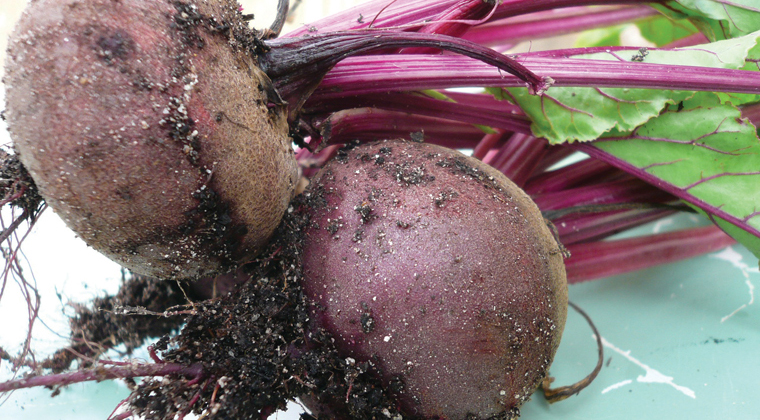
Earthy, colourful and remarkably versatile, beetroot has moved far beyond its traditional place beside the salad plate. Today, beetroot and beetroot juice are widely studied for their potential effects on cardiovascular health, blood pressure and exercise performance.
But what actually makes beetroot good for you? Much of the scientific interest centres on its naturally occurring dietary nitrates, which the body can convert into nitric oxide. Beetroot also provides fibre, folate and potassium, alongside plant pigments known as betalains.
From adding roasted beetroot to a salad to drinking beetroot juice before exercise, there are plenty of ways to include this colourful root vegetable in a balanced diet.
What are the benefits of beetroot?
Beetroot is a nutrient-rich vegetable that can make a useful contribution to a varied, plant-rich diet. Its potential health benefits are linked both to its nutritional content and to naturally occurring compounds including dietary nitrate and betalain pigments.
Research has particularly explored beetroot in relation to:
cardiovascular and blood vessel health
blood pressure
exercise performance and endurance
nitric oxide production
recovery from exercise
digestive health as part of a fibre-rich diet
increasing vegetable variety and plant compounds in the diet
Beetroot shouldn't be regarded as a miracle food or treatment for disease, but there is increasingly interesting research surrounding some of its naturally occurring compounds.
Why is beetroot good for you?
Beetroot contains a combination of vitamins, minerals, fibre and plant compounds.
It provides folate, a B vitamin involved in normal cell division and blood formation, as well as potassium, which has important roles in muscle and nerve function. Beetroot also contributes dietary fibre when eaten whole rather than juiced.
The leaves shouldn't automatically be discarded either. Beet greens are edible and can be cooked in much the same way as spinach or chard.
USDA FoodData Central includes both raw beetroot and beet greens within its nutritional database and has continued to update the nutritional analysis of beetroot, including its folate content.
One of the most interesting characteristics of beetroot, however, isn't a vitamin at all.
It is its nitrate content.
Beetroot, nitrates and nitric oxide
Beetroot is naturally rich in dietary nitrate. After nitrate is consumed, the body can convert it through a series of processes into nitric oxide, a signalling molecule involved in widening blood vessels and regulating blood flow.
This nitrate–nitrite–nitric oxide pathway helps explain why scientists have become particularly interested in beetroot juice.
Nitric oxide has a vasodilatory effect, meaning it can help blood vessels relax and widen. This has led researchers to investigate whether nitrate-rich foods such as beetroot could influence blood pressure and the delivery of oxygen during exercise.
Interestingly, bacteria in the mouth play an important part in the conversion process. Research suggests that practices which disrupt oral bacteria may reduce some of the exercise-related effects of dietary nitrate.
Can beetroot help lower blood pressure?
This is one of the better-researched potential benefits of beetroot juice.
A systematic review and meta-analysis examining people with hypertension found that nitrate-rich beetroot juice was associated with a reduction in systolic blood pressure of approximately 5 mmHg compared with controls, although the same significant effect wasn't found for diastolic blood pressure.
Earlier research has also found an association between inorganic nitrate or beetroot juice consumption and reductions in systolic blood pressure.
This doesn't mean beetroot juice should replace medication or medical treatment for high blood pressure. Instead, it is one area in which incorporating nitrate-rich vegetables into an overall healthy diet is attracting scientific interest.
Anyone being treated for high or low blood pressure should speak to their doctor or healthcare professional before using concentrated beetroot juice or nitrate supplements specifically to influence their blood pressure.
Does beetroot juice improve exercise performance?
Beetroot juice has become particularly popular among runners, cyclists and other endurance athletes.
This isn't simply a wellness trend. Dietary nitrate and beetroot juice have been extensively researched in sports nutrition.
One systematic review and meta-analysis involving 123 studies and 1,705 participants found that dietary nitrate improved exercise performance overall, with beetroot juice and nitrate-rich diets appearing particularly effective. Benefits were most apparent for exercise lasting between approximately two and ten minutes.
More recent research continues to investigate these effects. A 2026 systematic review and meta-analysis of 33 studies found improvements across several measures of aerobic and anaerobic exercise performance following beetroot juice supplementation.
However, the effect isn't identical for every type of exercise. Other reviews have found little or no significant improvement in some measures of sprint and high-intensity interval performance.
So while beetroot juice may offer a modest performance benefit in certain circumstances, drinking it won't suddenly transform someone's fitness. Training, recovery, sleep and overall nutrition remain considerably more important.
When should you drink beetroot juice before exercise?
Timing appears to matter.
A large systematic review examining dietary nitrate and exercise found that acute doses were most effective when consumed at least 150 minutes before exercise. The researchers found benefits were particularly apparent during exercise lasting between two and ten minutes.
However, nitrate concentrations vary considerably between beetroot juices and products, so simply specifying a particular volume of juice isn't always useful.
For recreational exercisers, there is also no need to view beetroot as a sports supplement. Eating beetroot as part of a varied diet can be an easy way of increasing vegetable intake while providing naturally occurring nitrates.
Is beetroot good for exercise recovery?
Research is also exploring whether beetroot juice could have a role after exercise.
A systematic review examining exercise-induced muscle damage found some evidence that beetroot juice could support the recovery of certain measures of muscle function following exercise. However, the researchers also highlighted limitations within the existing studies.
It is therefore better viewed as an interesting area of emerging sports nutrition research rather than a proven recovery treatment.
Does beetroot boost the immune system?
Beetroot is sometimes described as an "immune-boosting" food, but this oversimplifies how the immune system works.
No individual food can simply switch immunity on or dramatically strengthen it. Beetroot can, however, form part of a varied diet containing vegetables, fruit, whole grains, proteins and healthy fats that collectively provide the nutrients the body needs for normal function.
For everyday wellbeing, the benefit of beetroot is therefore best considered within the context of the whole diet rather than as an isolated superfood.
Can beetroot prevent or treat cancer?
Claims about beetroot and cancer need particular care.
Older wellness literature sometimes suggested that beetroot or beetroot juice could improve cellular oxygenation or be used therapeutically by people with cancer. There isn't sufficient clinical evidence to recommend beetroot as a cancer treatment.
Cancer Research UK specifically warns against claims that individual "superfoods", including beetroot, can prevent or treat cancer. Eating plenty of vegetables is an important part of a healthy diet, but laboratory findings involving plant extracts shouldn't be interpreted as evidence that a particular food can treat cancer in people.
People undergoing cancer treatment should discuss major dietary changes, supplements or concentrated juices with their healthcare team.
Whole beetroot or beetroot juice: which is better?
They offer slightly different advantages.
Whole beetroot retains its fibre, making it a good everyday food choice. It can be roasted, boiled, grated raw or added to soups, salads and grain bowls.
Beetroot juice provides a more concentrated and convenient source of beetroot compounds and has been the form used in many studies investigating dietary nitrate and exercise.
For general wellbeing, there is no need to choose one exclusively. Whole beetroot works particularly well as part of a fibre-rich diet, while beetroot juice can offer a convenient alternative.
Are beetroot leaves edible?
Yes. In fact, buying beetroot with its leafy tops attached effectively gives you two vegetables in one.
Young beetroot leaves can be eaten in salads, while larger leaves can be steamed, sautéed or wilted in a pan in much the same way as spinach or Swiss chard.
Try sautéing the leaves briefly with olive oil, garlic and a squeeze of lemon rather than throwing them away.
How to buy beetroot
Fresh beetroot should generally feel firm and have a relatively smooth, undamaged surface.
Smaller roots are often more tender, while very large beetroot can sometimes develop tougher or woodier centres.
If you're planning to eat the leaves, look for bunches with fresh, crisp-looking foliage rather than badly wilted leaves.
Raw beetroot is available for much of the year, but vacuum-packed cooked beetroot provides a convenient alternative. Check the ingredients if buying prepared products, particularly pickled beetroot, as sugar and salt content can vary considerably.
How to store beetroot
If you've bought beetroot with the leaves attached, remove the leaves before storing the roots. Leaving them attached can draw moisture from the beetroot.
Keep the roots refrigerated and use the leaves relatively quickly.
Don't automatically throw slightly tired-looking beetroot away. Roasting is particularly forgiving and can be a good way to use roots that are no longer at their freshest.
How to prepare and cook beetroot
One of beetroot's advantages is its versatility.
Eat beetroot raw
Young beetroot can be peeled or scrubbed and finely grated into salads. Try combining it with apple, carrot, walnuts and a simple lemon dressing.
Roast beetroot
Roasting concentrates beetroot's natural sweetness. Scrub the roots, cut into wedges and roast until tender. Beetroot works particularly well with goat's cheese, feta, lentils, walnuts and herbs.
Boil beetroot
Whole beetroot can be boiled until tender. Leaving the skin and root intact while cooking can help retain its colour. Once cool enough to handle, the skin usually rubs away easily.
Juice beetroot
Fresh beetroot can be juiced alone or combined with ingredients such as carrot, apple, ginger or lemon.
Remember that juicing removes much of the fibre found in the whole vegetable, so juice and whole beetroot aren't nutritionally identical.
Cook the leaves
Wash beet greens thoroughly and cook them as you would spinach. They can be steamed, sautéed or added towards the end of soups and stews.
And one practical warning: beetroot's intense pigment stains hands, chopping boards and clothing remarkably efficiently. Gloves can be useful when preparing larger quantities.
Why does beetroot turn urine pink?
After eating beetroot, some people notice pink or reddish urine. This is known as beeturia and is usually harmless.
Beetroot can also change the colour of stools.
However, don't automatically assume unexplained blood-coloured urine or stools are caused by something you've eaten. If you're unsure, if the change persists, or if you have other symptoms, seek medical advice.
Is beetroot high in sugar?
Beetroot has a naturally sweet taste and contains more natural sugar than some leafy or watery vegetables, but that doesn't make whole beetroot an inherently "high-sugar" or unhealthy food.
When beetroot is eaten whole, its carbohydrate comes packaged alongside fibre, water and micronutrients.
Concentrated juices are different because it is much easier to consume a larger amount quickly and much of the fibre has been removed.
Are there any disadvantages to eating beetroot?
For most people, beetroot can be enjoyed as part of a balanced diet.
Concentrated beetroot juice and nitrate supplements deserve more consideration than simply eating beetroot as a vegetable, particularly for people taking medication or managing a medical condition.
Anyone concerned about blood pressure, kidney problems, kidney stones, medication interactions or another health condition should seek personalised advice from a healthcare professional before consuming large amounts or using concentrated products therapeutically.
How to grow beetroot at home
Beetroot is relatively straightforward to grow and doesn't require a large vegetable garden. It can be grown in raised beds and containers as well as directly in the ground.
Seeds can be sown successionally to provide crops over an extended period. Keep the soil moist while plants establish and thin seedlings if they become overcrowded.
Both the roots and young leaves can be harvested, making beetroot an especially useful crop for smaller gardens.
Traditional varieties such as Boltardy remain popular with UK gardeners because of their resistance to bolting and reliable roots, but gardeners can also experiment with golden, striped and cylindrical varieties.
Harvesting beetroot while the roots are relatively young generally gives a sweeter, more tender result.
Easy ways to eat more beetroot
You don't have to drink concentrated beetroot shots to enjoy it. Try grating raw beetroot into coleslaw, adding roasted wedges to salads, blending cooked beetroot into hummus, serving it with lentils and feta, adding beet greens to stir-fries or soups, or making a beetroot, apple and ginger juice.
Beetroot also pairs particularly well with earthy, acidic and creamy flavours including walnuts, horseradish, goat's cheese, citrus, dill, balsamic vinegar and yoghurt.
Frequently asked questions about beetroot
Is beetroot good for you?
Yes. Beetroot is a nutritious vegetable providing fibre, folate, potassium and naturally occurring plant compounds. It is also particularly interesting nutritionally because of its dietary nitrate content.
What happens if you eat beetroot regularly?
Eating beetroot regularly can help increase the variety of vegetables and plant compounds in your diet. Its dietary nitrate content may also support nitric oxide production, while research suggests nitrate-rich beetroot juice can influence blood pressure and certain measures of exercise performance.
Is it better to eat beetroot raw or cooked?
Both can form part of a healthy diet. Raw beetroot is crisp and works well grated into salads, while roasting and boiling make it softer and often sweeter. The best option is the one you enjoy and are therefore likely to eat regularly.
Is beetroot juice good for you?
Beetroot juice contains many of beetroot's naturally occurring compounds and provides dietary nitrate. It has been widely studied for its potential effects on blood pressure and exercise performance. However, juice contains less fibre than eating the whole vegetable.
Does beetroot lower blood pressure?
Research suggests nitrate-rich beetroot juice may produce a modest reduction in systolic blood pressure in some people. It shouldn't be used as a substitute for prescribed blood-pressure medication.
Is beetroot good before exercise?
Potentially. Research suggests dietary nitrate from beetroot juice may improve some types of exercise performance, although the size of the benefit varies according to the activity, dose and individual.
How long before exercise should I drink beetroot juice?
Research reviewing nitrate supplementation suggests consuming it at least around 150 minutes before exercise may be effective, although products vary considerably in nitrate concentration.
Can you eat beetroot leaves?
Yes. Beetroot leaves are edible. Young leaves can be eaten raw, while larger leaves can be steamed or sautéed like spinach.
The Wellbeing takeaway
Beetroot deserves its place in a healthy kitchen, but not because it is a miracle "superfood".
Its real appeal is much more interesting. It is a versatile vegetable that provides useful nutrients and fibre while also being one of the better-known dietary sources of nitrate. Research into the nitrate–nitrite–nitric oxide pathway has produced particularly interesting findings around blood pressure, circulation and exercise performance.
Whole beetroot, its leaves and beetroot juice can all have a place in a varied diet. Rather than looking to one vegetable as a cure-all, think of beetroot as another colourful way to increase the diversity of plant foods on your plate – with a growing body of science behind some of its more intriguing properties.
Filed underNutritional therapy, Energy & vitality

About the author
Rachel BransonFounder & Editor in Chief
With over 30 years in publishing and a background in Naturopathic Medicine, she has made it her mission to challenge mainstream health narratives and empower people to take control of their wellbeing. Now expanding her vision across the Atlantic, Rachel is bridging UK and US audiences with inspiring stories, trusted insights, and pioneering partnerships that align with a new era of health innovation.