Beyond Polish: How Nail and Foot Care Fit Into a Modern Self-Care Routine
Self-care usually gets filed under a few familiar headings: skincare, sleep, movement, maybe a quiet hour with a book. Hands and feet rarely make the list.…
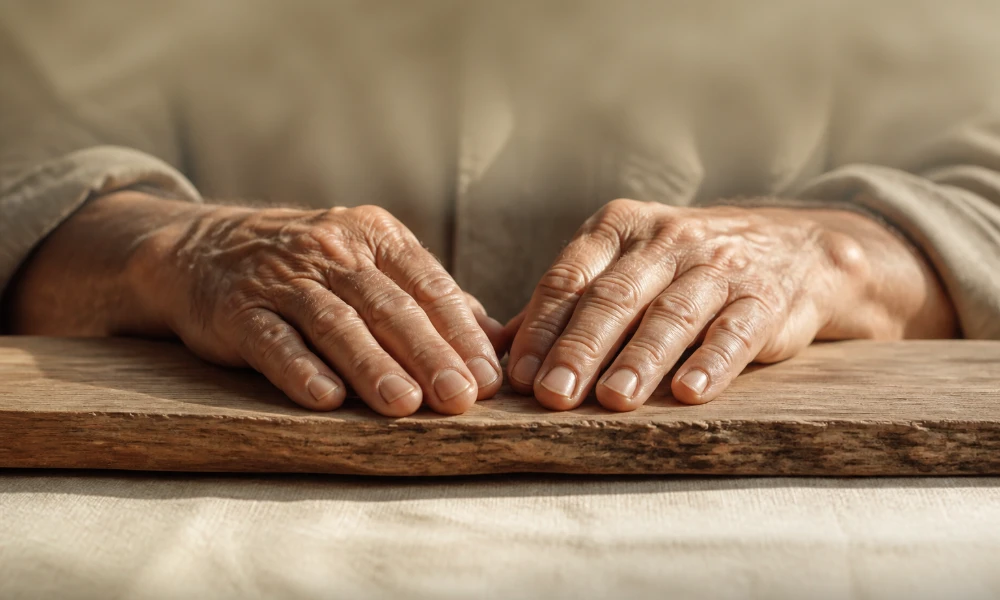
Self-care usually gets filed under a few familiar headings: skincare, sleep, movement, maybe a quiet hour with a book. Hands and feet rarely make the list. They do more work than almost any other part of the body and receive the least deliberate attention — noticed only when a nail splits, skin cracks, or a favourite pair of shoes stops feeling comfortable.
It is a strange gap, because nail and foot care sits at the intersection of two things wellbeing writing tends to treat separately: practical health maintenance and intentional personal time. Approached thoughtfully, it is neither vanity nor indulgence. It is upkeep, with a pleasant side effect. What follows is a practical look at what good nail and foot care actually involves — at home, and when you hand the job to someone else.
Why Small Personal-Care Rituals Matter
There is a tendency to imagine that self-care requires scale: a weekend away, a full reset, an entire routine adopted at once. In practice, the habits people sustain are usually small and unglamorous.
A ten-minute nail-care routine on a Sunday evening, or a standing appointment once a month, has one clear advantage over the grand gesture — it is repeatable. It fits into an ordinary week without negotiation. And because it has a defined beginning and end, it creates something increasingly rare: a block of time with a single, modest purpose.
There is a practical case for it as well. Hands and feet are where small problems become uncomfortable ones fastest: a torn nail, a callus that catches, dry skin that splits at the knuckle. A basic nail care routine catches those early, before they need solving.
It is worth being honest about what this does and does not do. Trimming your nails will not resolve stress, and an appointment is not therapy. But setting aside time for personal maintenance is a way of treating your own upkeep as something worth scheduling, rather than the first thing dropped when the week fills up. That is a reasonable working definition of care.
What a Healthy Nail and Foot-Care Routine Actually Includes
The core advice from dermatologists is far less elaborate than the beauty aisle suggests.
Keep nails clean and dry. Moisture trapped in and around the nail encourages bacterial and fungal growth, which is why the American Academy of Dermatology recommends drying thoroughly after washing — including between the toes.
Trim sensibly. Straight across for toenails, with a gentle curve at the corners for fingernails if you prefer, using clean, sharp clippers. Filing in one direction smooths a snag before it catches and tears further.
Moisturise the nail as well as the skin. Working a cream into the hands, feet, nails and surrounding skin helps with the dryness that leads to peeling and splitting — worth noting anywhere the air is dry for much of the year.
Leave the cuticles alone. This is the recommendation people most often ignore. The cuticle seals the gap between nail and skin; cutting it removes that barrier and creates an opening for infection. Both the American Academy of Dermatology and the American Podiatric Medical Association advise against it, whether at home or in a salon chair.
Clean your tools. Clippers, files, and nippers collect debris, should be washed and disinfected, and are not for sharing — a point the CDC makes about grooming equipment generally.
Most of good nail care and foot care, in other words, is restraint. The habits that cause trouble tend to be the enthusiastic ones: aggressive trimming, over-buffing, picking at the edges of a nail that has started to lift.
Salon Hygiene Should Be Part of the Beauty Conversation
Most conversations about choosing a salon revolve around price, polish selection, and how the finished work looks. Hygiene deserves equal weight — and unlike design skill, it is something you can assess before you sit down.
The CDC's foot-hygiene guidance is direct: choose a salon that is clean and licensed, and make sure instruments are sterilised between clients. That translates into a handful of things you can actually look for.
Tools. Metal implements should come from a sealed pouch or a visibly maintained sterilisation system, not from a drawer or an open jar. Files, buffers and pumice stones are porous and should be single-use or kept for you alone.
Basins. Pedicure tubs are the most common source of trouble, because warmth, water and skin debris are a poor combination. Disposable liners, or basins drained and disinfected between clients, are what you want to see.
Surfaces and hands. Workstations wiped between appointments, technicians washing their hands, clean towels.
Licensing. In Texas, salons and technicians are licensed through the Department of Licensing and Regulation, which sets requirements covering establishment sanitation, disinfectant containers, and the cleaning of manicure and pedicure implements. Licences are meant to be displayed. Looking for one takes a second.
None of this requires expertise. It requires noticing — and a willingness to leave if what you notice is wrong. A salon that takes hygiene seriously will not be offended by the question; in most cases, staff are pleased to explain how their equipment is handled between clients.
Choosing a Salon With Wellbeing in Mind
Beyond hygiene, choosing well is mostly a question of fit.
For local readers, a search for nail salon Lubbock is usually the starting point, but the more useful comparison begins after the results load: cleanliness, licensing, the range of services offered, how a technician answers questions, and whether an appointment realistically fits into your week.
As an illustration of what that looks like on paper, Bnails Lubbock sits at 12811 Indiana Ave., Suite 400, opened in early 2023, and is open seven days a week for both walk-ins and online bookings. Its published pedicure menu runs from 30-minute maintenance treatments up to 75-minute spa-style services, and the salon states that it uses disposable pedicure liners and individually sterilised tool kits. Those last points are the business's own descriptions of its practice — as with any salon, they are worth confirming with your own eyes on the day.
Service length matters more than most people expect. Half an hour is maintenance; an hour or more is a different experience entirely. Choosing by the time you genuinely have, rather than by the longest option on the menu, tends to produce a better appointment.
Ask questions, too. A good technician will tell you what they are using, what they would recommend, and what they would leave well alone. That conversation is often more revealing than any review.
Caring for Hands and Feet Between Appointments
Between visits, the nail care routine stays the same: clean, dry, moisturised, trimmed sensibly, cuticles intact. Protect your hands during washing up, gardening or any prolonged wet work, and apply cream afterwards. File snags rather than pulling at them.
It also helps to know where foot care stops and medicine starts. Nail discoloration, thickening, persistent pain, swelling or a nail separating from the bed are matters for a doctor or podiatrist, not for a salon — the CDC notes that some nail infections require treatment from a physician. A technician who suggests you get something looked at is doing you a favour; one who offers to fix it is not.
For readers weighing up local options, the phrase that tends to get typed into a search bar is pedicure Lubbock — but the deciding factors are the ones above. Consistency at home shapes the outcome far more than the length of any single treatment.
Turning an Appointment Into Intentional Downtime
If you do book, treat the time as time. Put the phone away rather than working through the appointment one-handed. Avoid wedging it between two other commitments, which turns a pause into a logistical problem. Choose a service length that suits the day you are having, not the one you wish you were having.
It also helps to lower the stakes. An appointment does not need to be a special occasion or a reward for a hard week; it can simply be a Tuesday. The value of a manicure or pedicure is not really the polish. It is an hour that belongs to nothing else — and that is a small, ordinary luxury worth protecting.
A Better Definition of Self-Care
Self-care is often sold as transformation. Most of the time it is maintenance: clean nails, dry feet, moisturised skin, a licensed salon and an hour on the calendar. Modest, repeatable, and quietly worth doing.