Biohacking was once limited to a small circle of startup founders, tech enthusiasts, and curious experimenters. Today, it has entered the mainstream, becoming part of everyday conversations about health and well‑being.
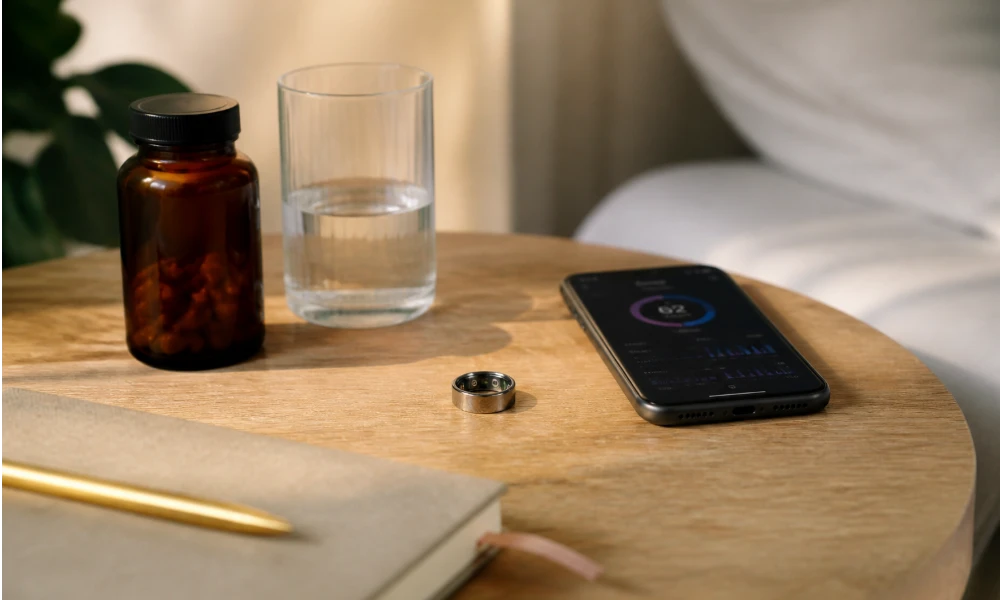
Wearable fitness trackers, sleep apps, customized dietary advice, and mindfulness practices — items commonly categorized as forms of biohacking — have long become integrated into daily life. We do not need to debate whether this phenomenon exists; we only need to explore whether it is a short-lived health fad or the starting point of personalized medicine.
Both types of cases hold true.
More Than a Buzzword
Many people, misled by the futuristic connotations of the term “biohacking,” mistakenly equate it with the extreme practice of implanting chips. In reality, biohacking is a scientific practice focused on understanding one’s own body and making small, informed adjustments to improve one’s physical and mental state.
Many ordinary people improve their sleep by detecting declines in their own energy levels, while others use wearable devices to track stress recovery, or adjust their eating times to maintain stable energy levels.
Biohacking is often not about “hacking” your body at all, it’s about noticing it more carefully.
Why More People Are Interested
Peoples perception of health has drastically changed in the last decade. Instead of waiting for trouble to happen, most are now concentrating on habits that resort somebody in stay healthy.
Many never realised how much they look after themselves — until COVID-19. Consumers soon started gaining more interest in immune health, mental toughness & sleep enhancement & metabolism, plus wearable tech got cheaper and easier to use.
In the meantime, research into healthy ageing and longevity has accelerated. More than at any time before, we are discovering what influences our lifespan and our healthspan.
That change has turned biohacking from a small hobby into something practical that supports everyday preventive healthcare.
The Habits That Matter Most
A common myth about biohacking is that you need pricey tech or hard, complicated routines to do it. In truth, the best proof still points to a few simple daily habits.
Sleep still ranks highest.
Getting a solid night’s sleep can shape how you remember things, feel emotionally, balance hormones, and fight off illness. No surprise here: most people curious about biohacking begin by watching their sleep habits, not by rushing to supplements or fancy high-tech gadgets.
Nutrition is a key base.
Instead of chasing strict diet fads, more and more people want to know how different foods change their bodies. Some people find that a protein-heavy breakfast keeps them sharp all morning, while others feel better energy and easier digestion after cutting back on ultra-processed foods.
Perfection isn’t the goal. It’s being aware.
People are now working out more for lasting health than for looks. By lifting weights, walking often, improving flexibility, and doing cardio, you can keep your muscles strong, support healthy metabolism, and age well.
More and more, recovery is finally getting the attention it deserves.
For years, everyone kept their eyes on working harder. Today, recovery is being seen as a key part of wellbeing, whether that means better sleep, managing stress, or taking regular breaks.
Technology Is Changing the Conversation
Technology helped biohacking become popular with the general public.
Today, tech once limited to research labs can be worn on your wrist, tracking your heart rate, daily movement, sleep quality, and how well you recover, quietly, all day and night.
Numbers by themselves won’t make you healthier. Real value comes from spotting patterns. If you see that late-night work keeps ruining your sleep, or that regular exercise helps you recover faster, use that knowledge to build better daily habits.
Technologies are making these tools work better by turning complicated health information into clear, personal suggestions people can actually understand.
As these technologies keep improving, they all point to the same big change: healthcare is becoming more personal every day.
The Growing Interest in Longevity
One big reason people are paying attention to biohacking is the growing desire for a longer life.
Living longer isn’t the only aim anymore. More and more researchers are working to increase healthspan, the years people stay healthy, active, and independent.
It has also drawn more attention to issues like inflammation, metabolic health, brain performance, and biological aging.
Scientists, doctors, and innovators worldwide are working to see whether lifestyle, food, exercise, sleep, and new technologies can help people age better.
Community such as Biohackers World have helped bring these conversations to a wider audience by connecting researchers, healthcare professionals, entrepreneurs, and wellness experts who are working at the intersection of science and human performance.
With new research coming in, talk about living longer is shifting from fantasy to real, everyday health choices.
Keeping Expectations Realistic
Like any booming industry, biohacking has its share of overblown claims.
Social media pushes fast solutions, magic supplements, or costly gadgets that claim big results, even though there’s little solid proof.
That’s why you should tell curiosity apart from credibility.
Most health professionals say that supplements, wearables, or therapy can’t fix poor sleep, bad food choices, ongoing stress, or a lack of exercise.
The biohackers usually learn the basics well before trying anything new.
They’ve learned that steady routines bring real progress more often than big, sudden changes.
Personalization Is the Future
The most thrilling part of biohacking may not be one specific tool, but the shift to health tailored to you.
Traditional health advice often treats one recommendation as right for all. But living things seldom work that simply. People react differently to food, workouts, stress, and sleep timing. Genetics, lifestyle, age, and environment shape each person’s results.
As wearable tech, lab tests, and digital health tools keep improving, they help people see those differences more clearly.
More people aren’t just following generic advice anymore, they’re using their own information to guide the choices they make.
It won’t take the place of healthcare professionals, but it helps people talk sooner and make better-informed decisions.
What Comes Next for Biohacking
Biohacking probably won’t stay its own movement for long.
Many of its ideas, like preventive care, tailored nutrition, constant health tracking, and decisions guided by data, are already shaping everyday medicine and wellness.
As studies go on, expect medical research, digital health tools, and daily habits to work together more closely.
Some trends won’t last, and not every new product will live up to what it promises. Still, the bigger move to understand our bodies better will likely keep going.
So, biohacking might not be trying to change what it means to be human. It’s really about helping people choose wisely with better tools, so they can live healthier, more active lives.
No matter what you name it, biohacking, preventive wellness, or personalized health, the message is simple: notice what your body is telling you, make smart changes, and keep going, because steady small improvements can add up over time.
Perhaps that’s why biohacking has moved beyond being a trend. At its best, it’s less about chasing perfection and more about building habits that help people feel and function at their best — today and well into the future.
- About the Author
- Latest Posts

Our Editorial Team are writers and experts in their field. Their views and opinions may not always be the views of Wellbeing Magazine. If you are under the direction of medical supervision please speak to your doctor or therapist before following the advice and recommendations in these articles.