
Huawei’s New Watches Put Health, Recovery and Outdoor Fitness Centre Stage
Huawei unveils its new GT 7, Watch D3 and Watch 6 smartwatches in Munich, with new features for fitness, recovery, blood pressure and everyday wellbeing.
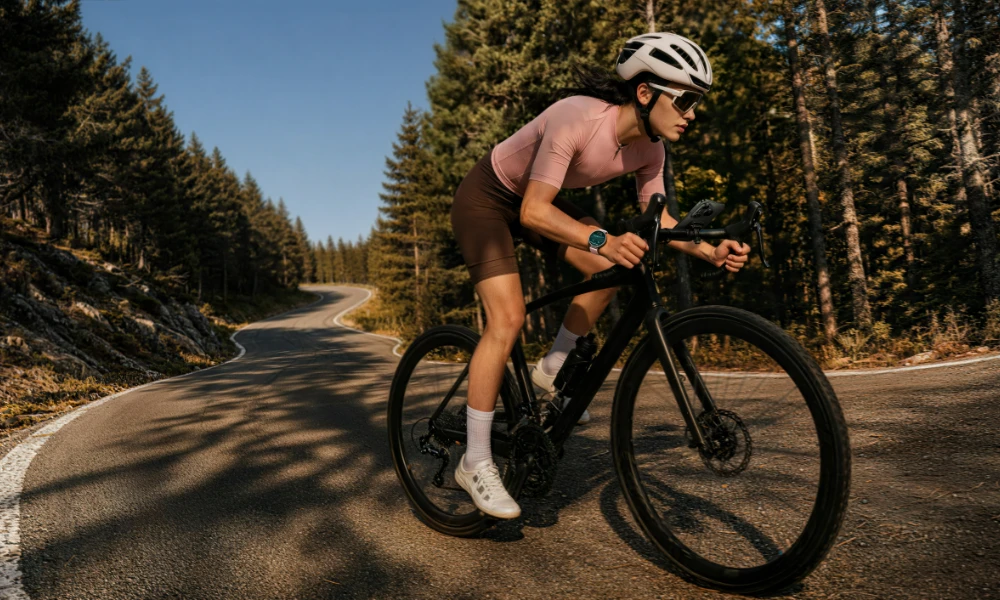
From blood pressure monitoring and physical readiness scores to cycling intelligence and ski mapping, Huawei’s latest wearables suggest the smartwatch is evolving from a fitness tracker into something closer to an everyday wellbeing companion. We travelled to Munich to put the new technology to the test.
There is a difference between being shown a new fitness watch in a presentation and being handed one, put on an e-bike and sent out into the Bavarian countryside to see what it can actually do.
This week, Wellbeing Magazine was invited to Munich by Huawei for the launch of its latest generation of wearable technology. Ahead of the company's global "Chase the Wild" product launch, I had the opportunity to try three of the new watches and put some of their fitness features through their paces during a 30km bike ride — considerably more revealing than simply scrolling through the health data from the comfort of a hotel room.
The following day, at Huawei's global launch event at Munich's Olympic Equestrian Stadium, we were given a closer look at the wider technology portfolio, including new watches, smartphones, tablets and earbuds.
For Wellbeing readers, however, it was the development of the wearables that was particularly interesting. Smartwatches have spent years telling us how many steps we have taken, how far we have run and approximately how many calories we have burned. Huawei's 2026 launches point towards something broader: technology designed not simply to measure exercise, but to help us understand recovery, sleep, cardiovascular health, readiness and the way our everyday habits interact.
The three watches take rather different approaches to that idea: the HUAWEI WATCH GT 7 Series is focused strongly on outdoor sport and performance; the HUAWEI WATCH D3 pushes further into health monitoring with medical-grade blood pressure functionality; while the returning HUAWEI WATCH 6 Series attempts to bring health, fitness and everyday smartwatch functionality together.
HUAWEI WATCH GT 7: taking fitness tracking outdoors

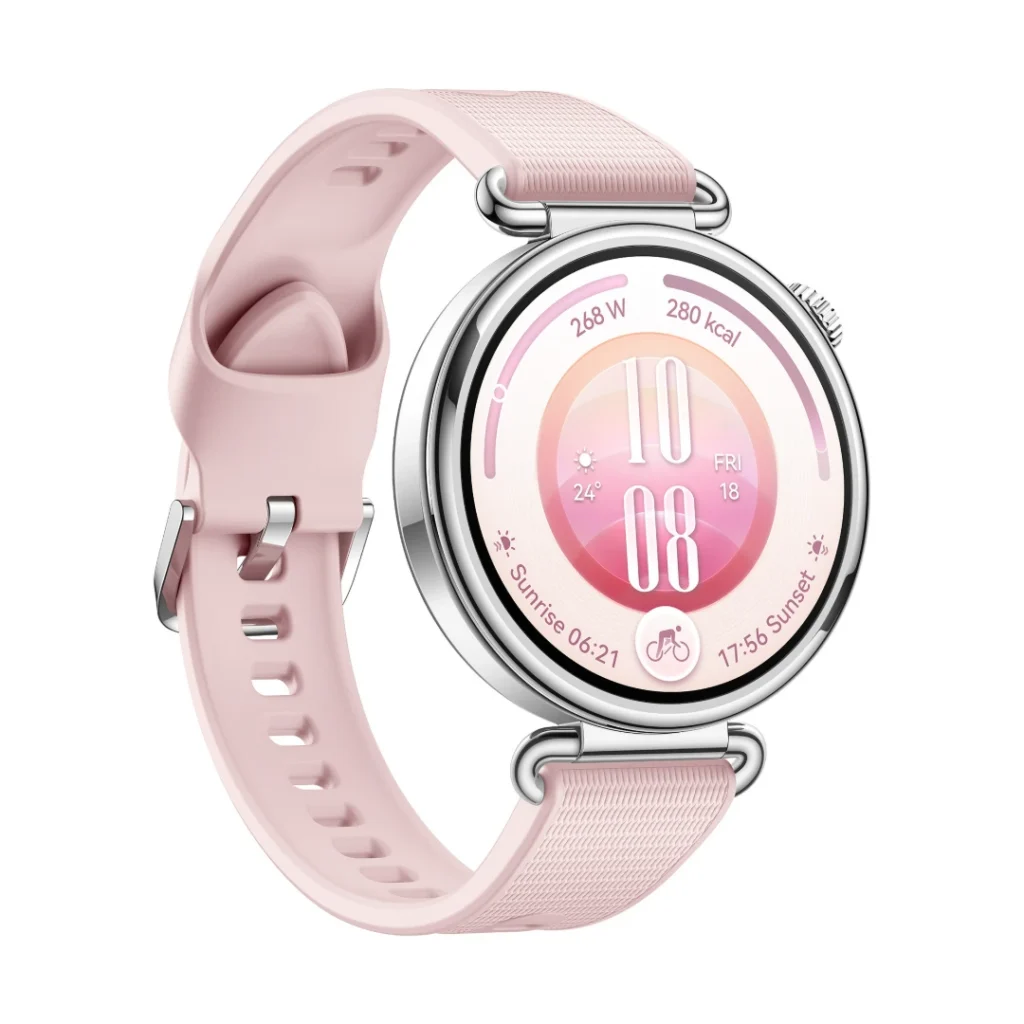
The new HUAWEI WATCH GT 7 Series is perhaps the most natural fit for anyone whose idea of wellbeing involves getting outside.
Available in 46mm and 41mm versions, alongside the more premium GT 7 Pro, Huawei has expanded its outdoor functionality considerably. The watch introduces indoor snow-sports tracking, downloadable maps for more than 3,000 ski resorts and new metrics including turn detection and G-force measurement.
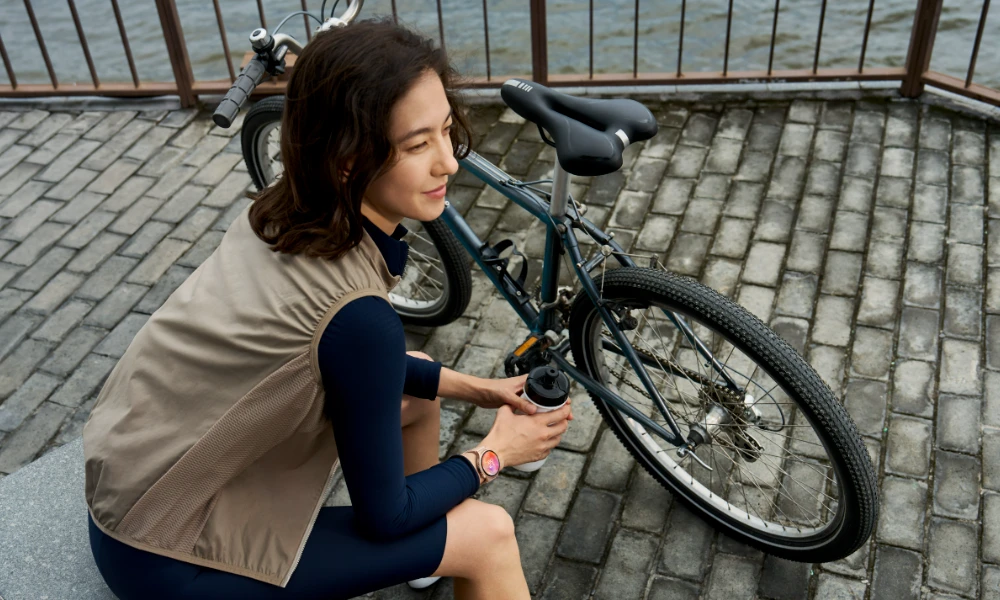
Cycling has received particular attention — something I was able to explore during our ride in Munich.
Rather than simply recording speed and distance, the GT 7 can generate a profile of upcoming climbs before a ride. During an ascent it can provide information about gradient and the distance remaining, while sharp-turn alerts are designed to warn cyclists when approaching a bend too quickly. Huawei is also introducing AI Workout Analysis, although some of its AI-powered cycling functionality is not yet available in Europe.
Having recently started to cycling myself, this is where wearable technology starts to become more interesting. Data after an activity can satisfy our curiosity, but information that helps us pace ourselves, understand what lies ahead or recognise when we might be pushing too hard has the potential to influence the experience itself.
The GT 7 also introduces a Physical Readiness score. Rather than treating every morning as if our bodies have magically reset overnight, the system brings together information including sleep quality, heart rate variability (HRV), emotion and active calories, placing recovery into five readiness levels.
This may prove one of the more useful developments for everyday exercisers. We have become very good at celebrating activity, but less good at respecting recovery. A watch that encourages someone to recognise when they are ready for a harder session — or when a gentler day might be more appropriate — potentially changes the relationship we have with fitness data.
Huawei says the GT 7 Pro and 46mm GT 7 can also deliver up to 21 days of battery life under light-use conditions, while the 41mm model can reach up to 14 days. Actual battery life will, of course, depend on how the watch is used.
HUAWEI WATCH D3: a greater focus on blood pressure monitoring
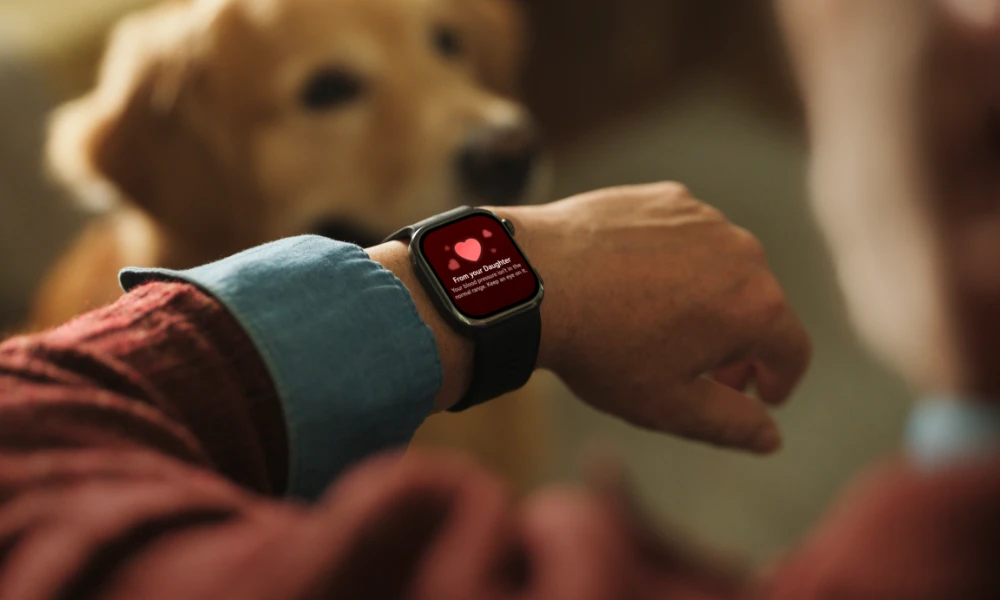
Alongside its sports and lifestyle watches, Huawei used the Munich launch to officially introduce the HUAWEI WATCH D3, a health-focused wearable that places blood pressure monitoring at the centre of its functionality.
According to Huawei, the D3 uses a mechanical airbag built into the strap, combined with a high-precision sensor and adaptive measurement technology, to take blood pressure readings from the wrist. Its blood pressure monitoring has obtained CE marking under the EU Medical Device Regulation (MDR).
The watch also supports 24-hour Ambulatory Blood Pressure Monitoring (ABPM). Measurements can be scheduled at intervals during the day, with automatic measurements continuing overnight using quieter inflation designed to reduce sleep disturbance. The intention is to allow users to see blood pressure patterns across a longer period rather than relying solely on individual readings.
Another new feature is pre- and post-exercise blood pressure measurement. Huawei says this has been designed to allow users to monitor changes around physical activity, adding another layer of information to the health data collected by the watch.
Beyond blood pressure, Health Glance can bring together up to 11 health indicators, including heart rate, blood pressure and SpO₂, while Health Insights can place blood pressure information alongside longer-term sleep and activity trends. Feature availability varies by market.
Huawei has also reduced the size of the device compared with its predecessor. The WATCH D3 measures 11.3mm thick and weighs 40g, with a narrower airbag strap intended to make it more comfortable for extended wear.
The HUAWEI WATCH D3 will go on sale later this month. We will be exploring the watch, its blood pressure technology and what it is like to use in more detail when we publish our full Wellbeing Magazine review later this month.
HUAWEI WATCH 6: one watch for work, wellness and workouts
The third watch takes a slightly different direction.
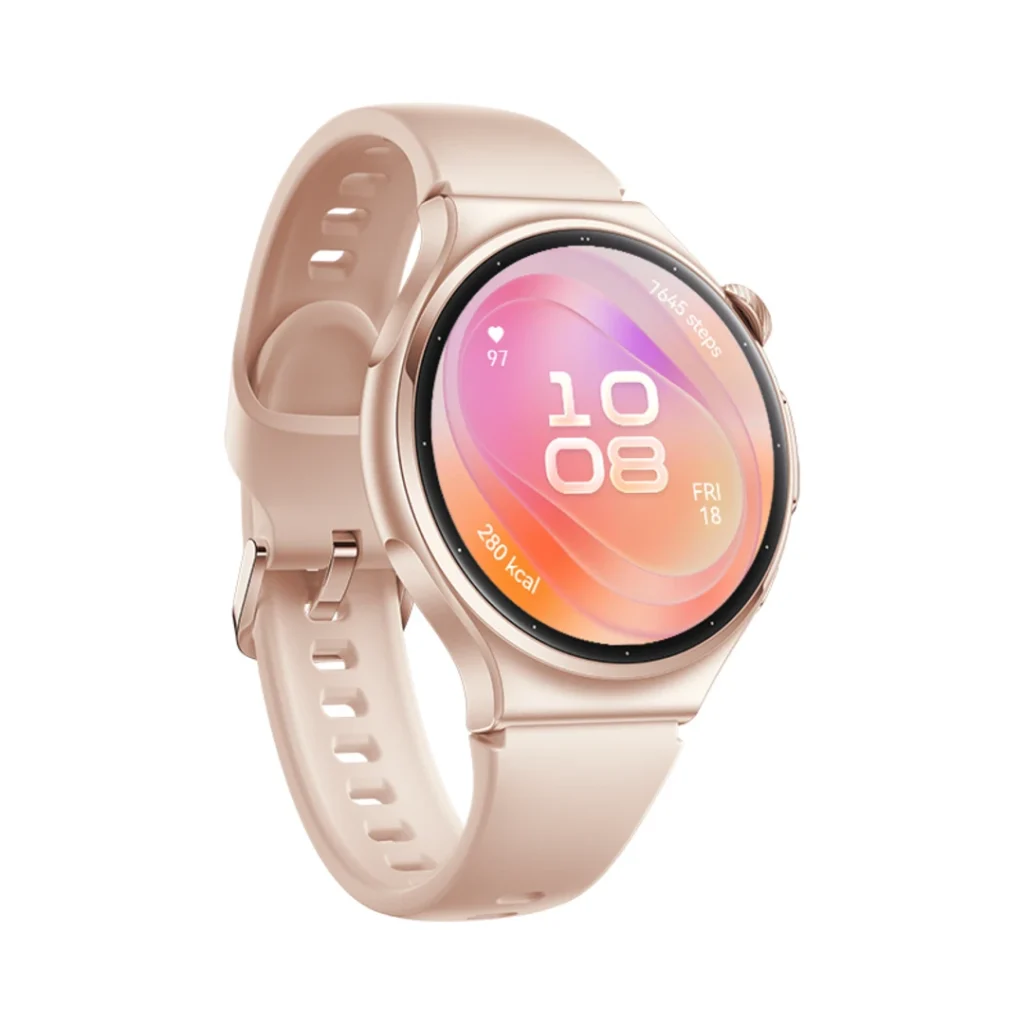
Returning to Europe after a year's absence, the HUAWEI WATCH 6 Series is intended as Huawei's premium all-round smartwatch: something designed to move between work, exercise, health tracking and everyday life without looking overtly like sports equipment.
The WATCH 6 comes in 42mm and 46mm versions, with the smaller model weighing 38g and measuring 10.2mm thick. The WATCH 6 Pro adds more premium materials, including ceramic options.
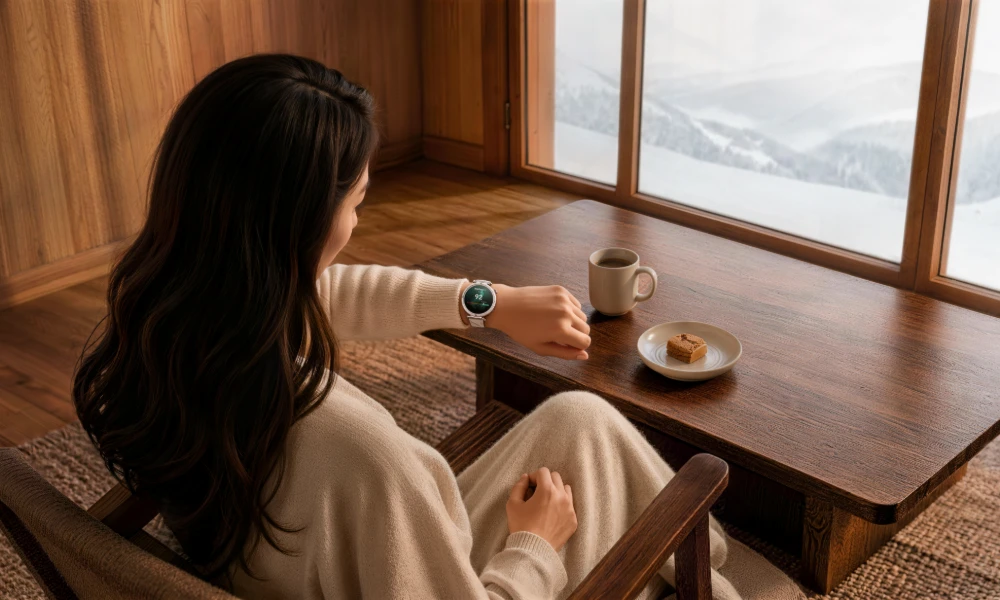
From a wellbeing perspective, Huawei has expanded Health Glance to cover 11 health metrics across four areas that it describes as basic, endocrine, cardiovascular and respiratory health. Health Insights then looks at longer-term trends and provides personalised suggestions, while Healthy Living brings exercise, sleep, mood and diet into its daily habit-tracking model.
There are more than 100 workout modes, and the WATCH 6 Series incorporates the fitness features offered by the GT 7, while the Pro edition also includes Huawei's Expedition app.
For people who don't necessarily want a dedicated running, cycling or adventure watch, that crossover between everyday lifestyle technology and fitness tracking could make the WATCH 6 the more interesting proposition.
Beyond the watch: technology that follows us into everyday life
Huawei's Munich event was not solely about wearables.
The company also introduced its FreeBuds Neo, alongside a new MatePad Pro 12-inch tablet and the nova 16s smartphone series. The FreeBuds Neo include adaptive noise cancellation of up to 30dB, spatial audio and dual-device connectivity, while the new MatePad Pro combines a 12-inch flexible OLED PaperMatte display with features including AI speech-to-text and handwriting enhancement.
Taken together, the launches demonstrate how rapidly the boundaries between health technology, fitness equipment and everyday consumer electronics are disappearing.
A pair of earbuds can accompany a run, support concentration at work and create a quieter space on a train. A watch can navigate a cycling route, examine sleep, record a workout and increasingly monitor health indicators that once required separate equipment.
The more interesting question is no longer simply what can our technology measure?
It is what do we do with the information it gives us?
From counting steps to understanding ourselves
This is the part of the wearable technology story that Wellbeing Magazine will be exploring over the coming weeks as we spend more time with Huawei's latest watches.
Because there is a danger that health technology becomes another source of pressure. More scores, more targets and more notifications do not necessarily make us healthier. The real value comes when technology helps us recognise patterns we might otherwise miss: perhaps that poor sleep affects our ability to exercise, that recovery deserves as much attention as training, or that getting outside and moving regularly matters more than chasing a perfect number on a screen.
My first experience with the new watches was certainly more physical than theoretical. A 30km bike ride around Munich provided plenty of hills, changing terrain and opportunities to see how the technology behaved away from a presentation stage — and, after coming off the bike on one of the descents, an unexpected opportunity to discover that my stress readings were apparently coping rather better than I thought they might be.
Over the next few weeks, we will be reviewing the HUAWEI WATCH GT 7, WATCH D3 and WATCH 6 Series in more depth, looking beyond their specifications to explore what they are actually like to live, exercise and travel with.
Because ultimately, the best wellbeing technology should not make us spend more time looking at our wrists. It should help us understand our bodies a little better — and then encourage us to get on with living.
UK pricing and availability
The HUAWEI WATCH GT 7 is available to order in the UK from 2 September 2026, starting at £279.99, while the GT 7 Pro starts at £379.99.
The HUAWEI WATCH D3 will be available in the UK from 23 September 2026, starting at £399.99.
The HUAWEI WATCH 6 will also be available from 23 September, starting at £399.99, with the WATCH 6 Pro starting at £599.99.
Disclosure: Rachel Branson, Founder and Editor of Wellbeing Magazine, travelled to Munich as a guest of Huawei to attend the company's 2026 global product launch and experience its new wearable technology. Full independent reviews will follow after further testing.
Filed underHeart health, Fitness & movement, Sleep

About the author
Rachel BransonFounder & Editor in Chief
With over 30 years in publishing and a background in Naturopathic Medicine, she has made it her mission to challenge mainstream health narratives and empower people to take control of their wellbeing. Now expanding her vision across the Atlantic, Rachel is bridging UK and US audiences with inspiring stories, trusted insights, and pioneering partnerships that align with a new era of health innovation.