Everyday Movement and Pelvic Health: Building a Stronger Foundation for Long-Term Wellbeing
Physical wellbeing is about more than avoiding illness or recovering from an injury. It also involves maintaining mobility and developing strength

Physical wellbeing is about more than avoiding illness or recovering from an injury. It also involves maintaining mobility, developing strength, managing discomfort, and feeling confident in everyday activities. Whether someone spends long hours at a desk, participates in recreational sports, or is returning to normal routines after an injury, movement plays an important role in maintaining quality of life.
However, pain, muscle weakness, restricted movement, and pelvic health concerns can sometimes make ordinary activities more challenging. Understanding the body's needs and seeking appropriate professional guidance can help people make informed decisions about their wellbeing.
Physiotherapy is one approach that supports physical function through assessment, targeted exercises, education, and individualized rehabilitation. When combined with sustainable daily habits, it can help people work towards improved mobility and greater confidence in movement.
Why Everyday Movement Matters
The human body is designed to move, yet modern routines often involve extended periods of sitting, repetitive tasks, and limited physical activity. Over time, these habits may contribute to stiffness, reduced endurance, and discomfort, particularly when combined with poor ergonomics or inadequate recovery.
Regular movement helps maintain joint mobility, muscular strength, coordination, and general physical fitness. It does not necessarily require an intensive workout. Walking, taking movement breaks, performing gentle mobility exercises, and gradually increasing activity can all contribute to a more active routine.
The most effective approach is one that fits comfortably into daily life. Someone returning to exercise after an injury may need a different starting point from someone who already participates in regular physical activity.
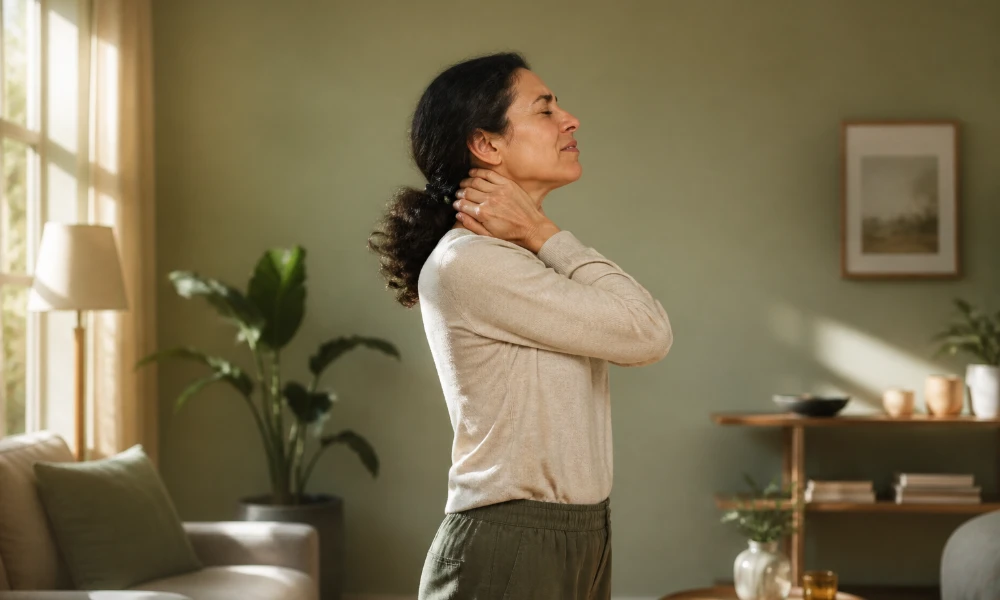
Listening to the body is equally important. Persistent pain, recurring discomfort, or a noticeable decline in mobility should not automatically be dismissed as a normal part of getting older or leading a busy life. These symptoms may benefit from professional assessment.
How Physiotherapy Supports Physical Recovery
Physiotherapy focuses on improving movement and function through evidence-informed assessment and treatment. Depending on a person's needs, care may include therapeutic exercises, mobility training, manual techniques, education, and strategies for gradually returning to everyday activities.
A rehabilitation plan should reflect the individual's condition, goals, activity level, and response to treatment. Someone recovering from a sports injury may need strength and balance exercises, while a person experiencing persistent back discomfort may benefit from a programme addressing mobility, endurance, and movement habits.
For people seeking guidance from physical therapists toronto, an individualized approach can help identify suitable treatment options and establish realistic recovery goals.
Physiotherapy is not simply about relieving symptoms temporarily. It can also help people understand contributing factors, improve movement patterns, and develop strategies for managing physical demands over time.
Progress may occur gradually, and the appropriate pace varies according to the condition and individual circumstances. A qualified healthcare professional can help determine which activities are suitable and when exercises should be adjusted.
The Importance of Strength, Flexibility, and Balance
Strength, flexibility, and balance work together to support everyday movement. When these elements are maintained, activities such as climbing stairs, carrying shopping, walking longer distances, and participating in recreational sports may become easier.
Strength exercises help muscles produce and control movement. Flexibility and mobility activities can support comfortable joint movement, while balance training helps develop coordination and stability.
These elements should be adapted to individual ability. A beginner may benefit from simple bodyweight movements, while someone recovering from surgery or injury may require a more carefully structured programme.
Consistency generally matters more than intensity when establishing sustainable habits. Short sessions performed regularly can be easier to maintain than occasional demanding workouts.
It is also important to distinguish ordinary muscular effort from pain that signals a potential problem. Sharp, worsening, or persistent symptoms warrant appropriate assessment rather than repeatedly pushing through discomfort.
Pelvic Health Is Part of Overall Wellbeing
Pelvic health is an important aspect of physical wellbeing, although it is not always discussed openly. The pelvic floor consists of muscles and connective tissues that support pelvic organs and contribute to bladder and bowel control, sexual function, and aspects of core stability.
Changes in pelvic floor function can affect people of different ages and backgrounds. Symptoms may include urinary leakage, pelvic discomfort, difficulty coordinating pelvic muscles, or pain during certain activities.
Pregnancy, childbirth, surgery, ageing, and other physical factors may influence pelvic health. However, symptoms should not automatically be considered an inevitable consequence of these life stages.
Seeking advice can help people understand what is happening and whether treatment may be appropriate. A healthcare professional can assess symptoms, consider relevant medical history, and recommend suitable next steps.
Understanding Pelvic Floor Physiotherapy
Pelvic floor physiotherapy is a specialized area of rehabilitation that addresses the function and coordination of the pelvic floor muscles. Treatment depends on the person's symptoms and assessment findings rather than following the same exercise routine for everyone.
For some individuals, treatment may involve improving strength and coordination. Others may need techniques that address excessive muscle tension, relaxation, breathing, or movement patterns.
This distinction is important because pelvic floor difficulties do not always result from weak muscles. Repeatedly performing strengthening exercises without understanding the underlying problem may not be appropriate for every person.
Those exploring pelvic floor physiotherapy can learn more about how specialized assessment and individualized treatment may support pelvic health.
A pelvic health assessment may include a discussion of symptoms, daily activities, relevant medical history, and personal goals. Depending on the situation, the practitioner may recommend additional assessment methods or explain different treatment options. Any internal examination should be discussed beforehand and performed only with informed consent.
The aim is to develop an appropriate plan that addresses the individual's concerns while respecting their comfort, preferences, and privacy.
Building Healthy Habits Alongside Professional Care
Professional treatment can be more effective when supported by practical habits that fit into everyday life. Although individual recommendations vary, several general strategies can help people remain physically active and support recovery.
Take regular movement breaks. People who work at desks for long periods can benefit from standing, walking briefly, or changing position throughout the day.
Increase activity gradually. Sudden increases in exercise intensity may place unnecessary demands on muscles and joints. Gradual progression allows the body time to adapt.
Prioritize recovery. Adequate sleep and rest between demanding activities support general health and can help people maintain a consistent routine.
Pay attention to ergonomics. Adjusting workstation height, screen position, and seating arrangements may improve comfort during prolonged desk work.
Follow an individualized exercise plan. Exercises should reflect personal needs, symptoms, and physical capacity. Professional guidance is especially valuable when recovering from an injury or managing persistent discomfort.
These habits are not substitutes for medical evaluation when symptoms require attention. Instead, they provide a practical foundation for maintaining activity and supporting long-term physical health.
When Should You Seek Professional Advice?
Occasional stiffness after unfamiliar activity is not necessarily a cause for concern. However, persistent pain, recurring injuries, reduced mobility, or symptoms that interfere with work, sleep, exercise, or daily routines may warrant professional assessment.
Pelvic symptoms also deserve attention, particularly when they affect bladder or bowel function, cause ongoing discomfort, or limit normal activities.
A qualified healthcare professional can help determine whether physiotherapy is appropriate, identify possible contributing factors, and recommend further evaluation when necessary.
New loss of bladder or bowel control accompanied by severe back pain, numbness around the groin or saddle area, or progressive leg weakness requires emergency medical assessment. These symptoms can indicate a serious neurological problem and should not be managed through routine exercises alone.
Early guidance can help people make informed decisions instead of relying on guesswork or continuing activities that aggravate their symptoms.
A More Sustainable Approach to Wellbeing
Long-term physical wellbeing is rarely achieved through one exercise, a short rehabilitation programme, or a sudden lifestyle change. It develops through consistent habits, realistic goals, and an understanding of the body's changing needs.
Physiotherapy can provide useful support for people managing injuries, movement difficulties, and pelvic health concerns. Combined with appropriate activity, recovery, and professional guidance, it can help individuals make progress towards meaningful functional goals.
Ultimately, taking care of physical health means paying attention to both large and small changes. Moving regularly, seeking advice when symptoms persist, and choosing an approach suited to individual needs can help people remain active and engaged in everyday life.
Filed underInjury & recovery, Physiotherapy
Guest Contributor
Articles published under Guest Contributor have been provided by independent writers, experts or external contributors where an individual author is not credited. These contributions are selected for their relevance to health, wellbeing and lifestyle, with the aim of sharing useful information, fresh perspectives and ideas with Wellbeing Magazine readers. Views expressed are those of the original contributors and do not necessarily reflect those of Wellbeing Magazine.