From Stand-Up Comedy to Santa Hats: How One British Farmer is Putting Honesty Back on the Menu
In a wellness world saturated with airbrushed perfection and curated morning routines, Ben Aveling is a breath of crisp countryside air.

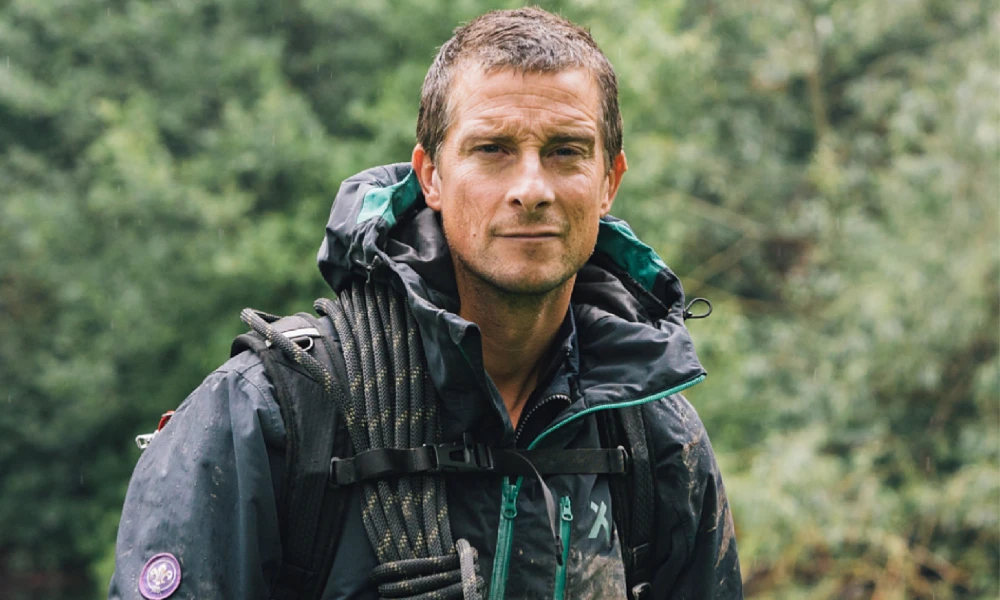
A UK farmer and former part-time stand-up comedian, Ben describes himself with characteristic bluntness: "I'm not pretty. I'm rough. I'm untidy. And I say things as they are." Alongside his wife, Vicki, Ben runs Radmore farm and a thriving online farm shop that delivers locally reared meat and soon-to-be-milled fresh flour straight to doorsteps across Britain. Over the past year alone, their online orders have skyrocketed by roughly 1,000 per cent, propelled by Ben’s wildly popular social media videos. With the sharp timing of a seasoned comic and the pragmatism of a man who works with his hands, he has tapped into a growing hunger among everyday shoppers—not to be lectured about what they eat, but simply to be told the truth about where their food comes from.
From Pub Pints to Cambridge Shopkeepers
Surprisingly, Ben didn’t grow up on a tractor. Raised in Cambridge, he was working in a local pub when he met Vicki while the two were on holiday with separate groups of friends. Vicki came from a farming family, and within months, Ben found himself spending time on her parents' farm, soaking up a completely different way of life.
When Vicki began bringing fresh meat from the farm into Cambridge for Ben’s pub regulars, the pair spotted an opportunity. Still unwilling to leave city life behind completely, they made a leap that Ben now looks back on with amused disbelief.

"If my kids did what I did, I’d think they were absolutely mental," he laughs. "I was nineteen going on twenty,and Vicki and I opened a shop in the city of Cambridge with farm produce in it and no idea what we were doing. We put up shelves from the local B&Q. We literally just did it like kids."
What they lacked in retail experience, they made up for in sheer energy and warmth. For more than twenty years. Ben and Vicki built a loyal following in Cambridge. Half their customers were European expats from France, Spain, Italy, and Poland who missed the daily culture of shopping for fresh, high-quality ingredients. People would walk through the door asking questions about what was in supermarket meat or why certain ingredients appeared on labels, sparking honest conversations that would later become the blueprint for Ben’s online presence.
Then came COVID-19. Changing footfall spelled the end of their high-street shop, just as Ben and Vicki had invested heavily in bringing livestock back onto the family farm. Left with fields full of animals and no storefront,they built a website and decided to ship their produce nationwide.
Stand-Up Comedy Meets Radical Transparency
To sell meat online, Ben realised people needed to know the face behind the farm—and trust him. Fortunately,he already had a knack for holding an audience's attention. Between 2018 and 2022, Ben performed part-time stand-up comedy, only stepping back when taking it further would have meant giving up his livelihood. Making short-form farm videos scratched that creative itch.

Unlike many food accounts that rely on glossy marketing buzzwords or preach a rigid lifestyle, Ben’s appeal lies in his refusal to pretend he is infallible. He openly admits that, like any busy family, his kids still enjoy oven chips and chicken nuggets on hectic nights when Vicki gets home late from her job lecturing at an agricultural college.
"When you're vocal on social media, people think you have to be at one extreme or the other. For me, the most important thing is that people know I'm credible and they trust me. Trust is my biggest currency."
That same candour applies to his newest venture: milling the farm's own wheat into fresh, folic-acid-free flour.After Ben posted about the idea online, the videos racked up millions of views—so much so that his father-in-law promptly dedicated all of the farm's wheat fields to milling wheat. Because flour is a fresh product that shouldn’t sit in storage, Ben plans to send a tonne of wheat down to a miller in Devon and pre-sell the batch so it ships to customers the very day it returns.
When talking about how the wheat is grown, Ben refuses to hide behind vague eco-jargon. He is upfront that commercial wheat crops require careful nurturing and inputs early in the season to thrive, while highlighting what truly sets their grain apart: they never spray glyphosate at the end of the season to artificially dry and force the harvest. For Ben, transparency beats perfection every time.
Escape-Artist Goats and a Bare-All Santa
Today, the online shop is a true reflection of the farm’s natural rhythm. Ben handles all the butchery himself,ensuring every cut meets his exacting standards. Their pork, lamb, and goat all come straight from their own pastures—though Ben has a word of warning for anyone romanticising the idea of keeping goats.

"I don't recommend them," he jokes. "They're escape artists! Unless you're keeping them well fenced in, they are hard work—though they are nice things, and all our goat mums have names so we can remember who's who."
Where the farm doesn't produce an item directly, Ben relies on tight-knit, transparent partnerships. Their beef currently comes from the agricultural college where Vicki lectures—meaning she helps raise the cattle, the farm pays full market price, and the proceeds go straight back into supporting agricultural students. And when a sudden surge of orders outpaces their weekly supply of steaks,Ben turns to a local family-run abattoir and butcher as his safety net, ensuring every cut remains locally sourced.
That safety net has been tested recently. When Ben first opened his courier account a couple of years ago, he bluffed his way past the minimum requirement of eight parcels a week while barely sending two. Now, they ship between 70 and 100 boxes every week.
With Christmas approaching, Ben is bracing for another whirlwind—especially since fresh meat cannot be prepared months in advance; everything must be cut and packed during the final festive rush, leaving little time for sleep. Yet no matter how busy the website gets, Ben still loads up his van every December for a personal delivery run back to his loyal Christmas customers in Cambridge.
When asked if he dresses up for the occasion, Ben doesn't miss a beat. "Just a Santa hat," he deadpans."Nothing else. That's how you keep customers happy—though I do have to explain to them every time that it's very, very cold."
Rethinking the Value of What We Eat
Beneath the quick-fire jokes and pub-banter charm lies a deeply held conviction. Ben insists he isn't trying to "educate" the public—a word he dislikes because it implies talking down to people—but rather offering a perspective from inside the food chain.
He often thinks back to a lesson he learned in his twenties while running a pub, when breweries began aggressively marketing "extra cold" beers. When Ben asked a brewery rep why beer needed to be chilled even further, the answer stuck with him for life: the colder a drink is, the less you can taste it, allowing manufacturers to get away with lower-quality ingredients.
Ben sees the exact same dynamic across modern industrial food production, where massive supermarkets treat groceries like numbers on a spreadsheet rather than nourishment. At the same time, he challenges shoppers to rethink how they value what goes into their bodies.

"People won't bat an eyelid at paying five pounds for a muffin at a coffee shop, yet they'll look at a pack of properly reared meat or fresh flour and call it expensive," he says. "We've started treating food like a utility bill—just water, electricity, and how cheap we can get our food."
Even so, Ben remains genuinely optimistic about the future. He believes that as modern technology and AI gradually take over tedious administrative work and free people from the exhausting commuter rat race,communities will naturally gravitate back toward local high streets, independent butchers, and farm hubs.
For Ben, protecting those local food systems isn't about nostalgia or wellness trends—it is about safeguarding the essentials that make life worth living. "Quality food, good drink, real connection with people—it all goes hand in hand," he says. "We owe it to our children to protect those things, because if we lose them, we won't realise how much they mattered until they're gone."

About the author
Sara AndrewJournalist
Sara is also a Certified Yoga Teacher, Meditation Instructor, and Recovery Coach, guiding individuals toward balance, healing, and self-discovery. Whether uncovering truths through investigative reporting, curating transformative travel experiences, or empowering others through wellness practices.