
How Creative Apparel Projects Can Support Everyday Wellbeing
Creativity can be a simple way to slow down, focus attention, and spend time doing something meaningful.
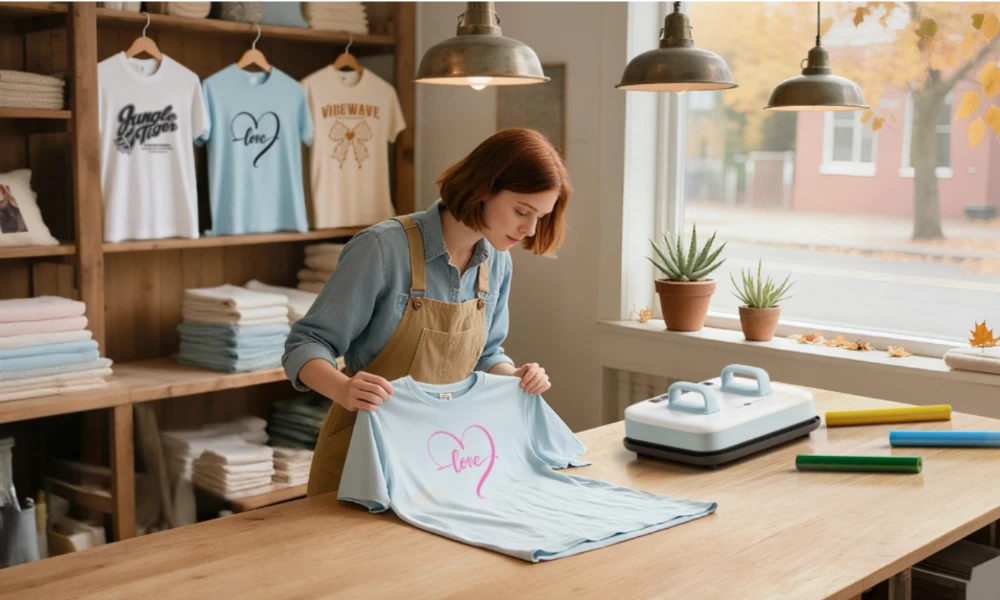
Creativity can be a simple way to slow down, focus attention, and spend time doing something meaningful. For many people, making something with their hands provides a welcome break from screens, work routines, and everyday responsibilities. Personalized apparel projects can be particularly appealing because the creative process ends with something practical that can be worn, shared, or given as a gift.
Making a custom T shirt or decorated hat does not require professional artistic skills. Modern crafting equipment allows beginners to experiment with colors, lettering, illustrations, and personal messages. The process can become a small creative ritual that encourages concentration while giving people an opportunity to express their personality.
Heat transfer projects are especially accessible because the workflow can be broken into manageable stages. Designing an image, preparing the material, positioning it on a garment, and applying heat each provide a different part of the creative experience. With the right approach, these activities can become an enjoyable addition to a balanced lifestyle.
Why Creative Activities Can Feel Meaningful
Creative activities often provide a different type of attention from routine tasks. Instead of focusing on deadlines, notifications, or repetitive responsibilities, a person can concentrate on a tangible project. Choosing colors, arranging a design, or carefully preparing a garment requires attention to small details.
The process does not have to produce a perfect result to be valuable. Experimenting with different ideas can be part of the enjoyment. A slightly imperfect first project can also teach useful skills and encourage a person to try something new.
Personalization adds another meaningful element. A shirt featuring a favorite phrase, artwork, hobby, or personal message can represent something important to its creator. The finished product becomes a physical reminder of the time and thought invested in making it.
Creative projects can also become social activities. Friends or family members can collaborate on designs, create personalized gifts, or work on projects together. This turns apparel decoration from an individual hobby into an opportunity for connection.
Creating Personalized T Shirts With a T Shirt Heat Press
A T shirt heat press is a useful tool for people who want to turn prepared designs into customized shirts. The equipment applies controlled heat and pressure to help bond a suitable transfer material to the garment.
The process begins with choosing the shirt and design. Before applying anything, consider the fabric, garment color, design size, and placement. A simple mockup can help visualize how the finished shirt will look.
Once the design is ready, the shirt should be positioned flat on the pressing surface. Wrinkles and uneven areas should be addressed before the transfer is placed. Careful positioning is important because a crooked design can change the appearance of the entire garment.
The actual temperature, pressure, and pressing time should come from the instructions for the specific transfer material. Different products can require different application conditions. Following those instructions is more reliable than assuming one setting will work for every project.
For a beginner, the process can be satisfying because each stage has a clear purpose. Preparing the design encourages creativity, positioning requires attention, and pressing creates the final transformation from a digital or prepared concept into a physical garment.
Adding Personality With a Hat Heat Press
Hats provide another interesting surface for customization. Unlike a flat shirt, a hat has a curved shape, which means applying a design requires different equipment and positioning considerations.
A hat heat press is designed for working with suitable curved headwear. The design area needs to be positioned carefully on the front panel so that the finished result looks balanced when the hat is worn.
Choosing the right hat is part of the creative process. Different caps can have different panel structures, materials, seams, and shapes. These details can influence how easily a transfer can be positioned and applied.
For someone using apparel decoration as a relaxing hobby, hats can also offer a smaller canvas for experimentation. A short phrase, simple logo, initials, or small graphic can create a distinctive result without requiring a large or complicated design.
As with shirts, testing is helpful when using an unfamiliar combination of transfer material and hat fabric. Following the manufacturer's recommended application conditions helps reduce avoidable mistakes.
Exploring HTV Vinyl as a Creative Material
HTV Vinyl provides another accessible way to personalize apparel. HTV stands for heat transfer vinyl, a material that can be cut into letters, shapes, graphics, and other designs before being applied to fabric with heat.
The creative possibilities are broad. Someone might create a motivational phrase, a favorite word, a simple illustration, a personalized name, or a design connected to a hobby. Because vinyl can be cut into different shapes and colors, creators can experiment with combinations that match their personal style.
The preparation stage itself can become part of the creative experience. Digital artwork needs to be adjusted for cutting, and the material then needs to be weeded so that only the intended design remains. Careful work at this stage encourages patience and attention to detail.
Beginners often find it easier to start with larger letters and uncomplicated shapes. Very detailed designs can require more time and precision during weeding. Starting with manageable projects can help build confidence before moving to more complicated artwork.
Different HTV products may have different application requirements. Always check the manufacturer's recommendations for the selected vinyl and garment rather than assuming that all vinyl behaves the same way.
Using Creativity as a Break From Routine
One reason crafting can be enjoyable is that it provides a different rhythm from everyday digital activities. Instead of constantly switching between applications or responding to notifications, a person can focus on a physical project from beginning to end.
Apparel decoration naturally divides into small tasks. Designing the artwork, preparing the material, cleaning the garment, positioning the transfer, and applying heat can each be completed separately. This makes it possible to work on a project even when there is limited free time.
The finished product can also create a sense of progress. A blank shirt becomes a customized garment, or an ordinary cap becomes a personalized accessory. Seeing that transformation can make the time spent creating feel tangible.
It is important, however, not to turn a relaxing hobby into another source of pressure. The goal does not have to be perfect production or maximum output. Trying different ideas, learning from mistakes, and enjoying the process can be more valuable than producing a flawless item every time.
Making Personalized Gifts for Others
Creative apparel projects can also be a thoughtful way to make gifts. A personalized shirt or hat can reflect someone's interests, favorite phrase, initials, or a shared memory.
The design process encourages the creator to think about the recipient. Choosing the right colors, garment style, wording, and graphic can make the finished item feel more personal than a generic purchase.
Small mistakes can also become useful learning experiences. If a first design is slightly misaligned or the material behaves unexpectedly, the creator can adjust the process for the next project. Over time, this naturally builds practical crafting skills.
Personalized gifts can also create opportunities to spend time with others. Families or friends can collaborate on ideas and help prepare projects for birthdays, celebrations, or other occasions.
Choosing Materials Carefully
The quality of a creative project depends partly on choosing compatible materials. Before starting, check whether the transfer material is suitable for the selected fabric. Cotton, polyester, blends, and specialty textiles can respond differently to heat.
Garment color should also be considered. The design needs enough contrast to remain visible, while the material itself should be appropriate for the fabric. Testing a new combination before making several items is a simple way to reduce waste.
The pressing surface should be clean and reasonably flat. Seams, buttons, pockets, and textured areas can interfere with consistent pressure. Taking a little time to prepare the garment can make the application process easier.
Keeping supplies organized can also make crafting more enjoyable. When vinyl, tools, garments, and design materials are easy to find, less time is spent searching and more time can be devoted to creating.
Building a Relaxing Creative Routine
A creative hobby does not need to occupy an entire afternoon. Even a small project can provide an opportunity to focus on something enjoyable. Setting aside a regular period for crafting can help make creativity part of an ordinary routine.
Some people may prefer designing while listening to music or a podcast, while others may enjoy working quietly. There is no single correct way to approach the activity. The important part is finding a process that feels comfortable and sustainable.
Keeping expectations realistic is also important. Not every project will work perfectly, especially when learning a new material or technique. Treating mistakes as part of the learning process can make the experience less frustrating.
Over time, completed projects can also become a visual record of progress. Comparing an early shirt with a later project can show how skills have developed. This can provide motivation to keep experimenting with new techniques.
Caring for Finished Apparel
Once a design has been applied successfully, proper garment care can help preserve the finished appearance. Washing and drying instructions should follow the recommendations provided for the specific transfer material and garment.
Customized apparel should generally be treated according to the care guidance supplied with the materials. Different transfers can have different requirements, so generic advice should not replace product-specific instructions.
For gift projects, including simple care information can be useful. The recipient will know how to handle the garment and can take appropriate steps to maintain the design.
Inspecting the finished garment before giving it away is also worthwhile. Check the design placement, adhesion, and overall appearance. A final inspection provides an opportunity to catch obvious problems before the project is considered complete.
Conclusion
Creative apparel projects can offer more than a finished shirt or hat. They provide an opportunity to slow down, experiment, learn practical skills, and express personal ideas through something tangible.
A T shirt heat press can help turn prepared designs into personalized garments, while a hat heat press provides a way to work with curved headwear. HTV Vinyl adds flexibility by allowing creators to cut and apply custom lettering, shapes, and graphics.
The most enjoyable approach is often the simplest one. Start with a manageable project, choose compatible materials, follow the recommended application instructions, and allow room for experimentation. Whether the finished item is made for yourself, a friend, or a family member, the creative process can be just as meaningful as the final product.