How Long Do Veneers Last? What Actually Determines Their Lifespan
Veneers tend to be discussed in terms of the transformation they create: straighter-looking teeth, a more uniform smile, fewer visible chips or stains.
Veneers tend to be discussed in terms of the transformation they create: straighter-looking teeth, a more uniform smile, fewer visible chips or stains. What gets less attention is what happens five, ten or fifteen years later.
If you are considering veneers, that is arguably the more useful question.
How long do veneers last?
For porcelain veneers, a commonly cited expectation is around 10 to 15 years with appropriate care, although some last considerably longer. Composite veneers generally have a shorter lifespan and may need repair or replacement sooner.
Those numbers are useful for planning, but they are not expiration dates. A veneer does not automatically fail when it reaches its tenth birthday. One may remain in excellent condition well beyond the average while another needs attention earlier because of grinding, a change in the bite, gum recession, trauma or something as simple as repeatedly biting hard objects.
The material matters, but so does everything around it.
Porcelain Veneers Can Last 10 to 15 Years or More
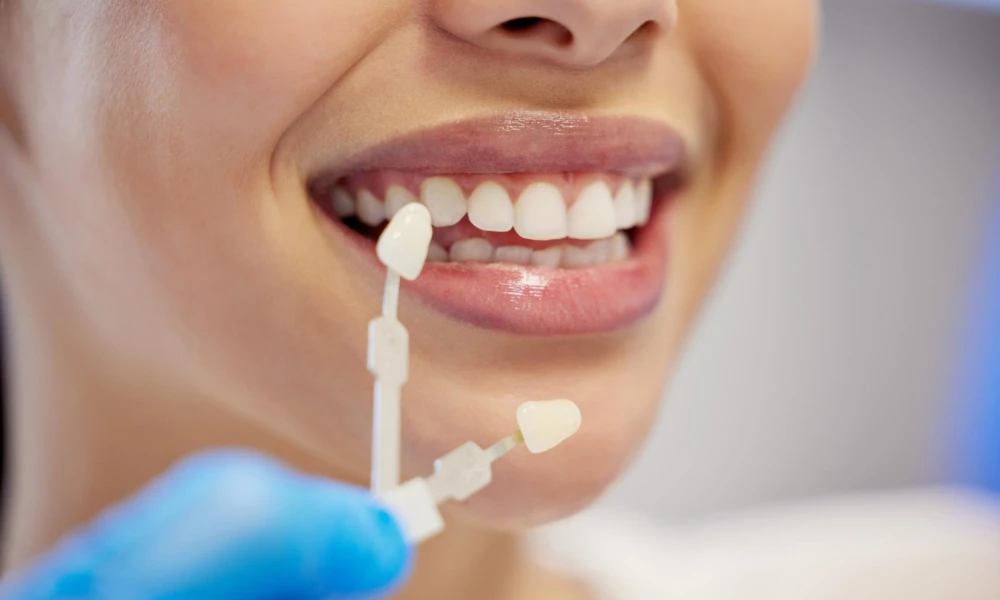
Porcelain veneers are thin ceramic restorations bonded to the front surfaces of teeth. They are commonly used to change tooth shape, conceal discoloration, close small spaces or improve the appearance of chipped and worn teeth.
Cleveland Clinic gives an average lifespan of approximately 10 to 15 years for dental veneers with proper care. Long-term research on ceramic veneers also suggests that many remain successful for years beyond the initial treatment period.
That does not mean every patient should expect exactly the same result.
A veneer placed on a healthy tooth with sufficient enamel, a stable bite and good oral hygiene begins its life under very different conditions from one placed in a mouth where someone grinds heavily at night or has untreated gum problems.
This is one of the reasons cosmetic dentistry is less predictable than choosing a material from a catalog. The veneer itself may be exceptionally strong, but it is still functioning inside a living mouth that changes over time.
Composite Veneers and Bonding Usually Have a Shorter Lifespan
Porcelain is not the only material used to alter the appearance of teeth.
Composite resin can also be applied directly to the tooth and sculpted into the desired shape. Depending on the extent of treatment, you may hear this described as composite bonding, dental bonding or composite veneers.
Composite treatment has some appealing advantages. It can often be completed quickly, may require less alteration to the tooth and can usually be repaired relatively easily if a small area chips.
The compromise is durability.
Composite resin tends to be more susceptible to wear, staining and chipping than porcelain. Cleveland Clinic places the lifespan of dental bonding at roughly five to eight years, although individual results vary substantially.
That does not automatically make porcelain the better choice.
If someone wants to correct one small chip, close a modest gap or make a conservative adjustment to the shape of a tooth, replacing a large amount of natural structure for the sake of maximum longevity may not make sense. In another case involving several heavily stained or worn front teeth, porcelain may offer advantages that justify a different approach.
The treatment should fit the problem, not the other way around.
The Condition of Your Natural Teeth Matters
A veneer may be artificial, but the tooth underneath it is not.
This is easy to forget because once the restoration is in place, the visible surface looks finished. The natural tooth still needs to remain healthy.
Decay can develop around or underneath a veneer. Gum disease can affect the tissues surrounding the tooth. If either problem becomes significant enough, the veneer may need to be removed as part of treating the underlying condition.
The American Dental Association specifically advises that existing decay and gum disease should be treated before veneers are placed.
That makes the health of the starting tooth an important part of veneer longevity.
Someone pursuing cosmetic treatment should expect the dentist to examine more than tooth color and shape. The gums, enamel, bite and existing restorations all deserve attention before permanent changes are made.
A beautiful veneer sitting over an unhealthy tooth is not a good long-term result.
Your Bite Can Matter More Than You Realize
People sometimes picture biting forces as something that affects only the back teeth. The front teeth deal with considerable force too, particularly during certain jaw movements.
If the bite places excessive pressure on the edge or surface of a veneer, that repeated stress can contribute to chipping, cracking or debonding.
The problem can be more pronounced in people who clench or grind their teeth.
Bruxism often happens during sleep, which means people may not realize how much force they are generating. A partner may notice the grinding sound, or a dentist may identify wear patterns, small fractures, flattened tooth surfaces or other signs during an examination.
This does not necessarily rule out cosmetic treatment, but it needs to be part of the planning.
A dentist may recommend addressing bite issues before treatment or wearing a protective night guard afterward. In some cases, another cosmetic approach may be more appropriate.
This is also why choosing a veneer shade and shape is only one part of treatment. The restoration has to look right when you smile and behave properly when you close your mouth.
Preparation and Bonding Make a Difference
Veneers have changed considerably over the years, but one principle has remained important: the quality of the bond matters.
For traditional porcelain veneers, a dentist generally removes a conservative amount of enamel to create space for the restoration and prepare the surface for bonding. The exact amount depends on the case.
Enamel is particularly useful for predictable adhesive dentistry. Preserving it whenever appropriate can therefore be beneficial.
Problems arise when cosmetic treatment is planned primarily around creating a dramatic visual change without enough attention to the underlying tooth.
This is where the consultation becomes important.
Someone comparing cosmetic dentists in Chicago, or in any other city, should look beyond before-and-after photographs and ask how the dentist evaluates tooth structure, gum health, bite, material selection and long-term maintenance before recommending veneers.
The most impressive smile on the day treatment is completed means less if nobody has considered how those restorations are expected to function years later.
Do You Have to Shave Your Teeth Down for Veneers?
Social media has created some understandable confusion around this question.
Videos occasionally show teeth dramatically reduced into small pegs and describe the treatment as veneers. In many of those cases, what viewers are actually seeing may involve crowns or a much more aggressive preparation than would normally be associated with conservative veneer treatment.
Traditional porcelain veneers usually require removing some enamel from the front and sides of the tooth, but the amount depends on the clinical situation. Some minimal-preparation or no-prep veneer techniques remove less.
That does not mean no-prep veneers are automatically superior. Adding material without removing enough tooth structure can make a tooth look bulky in the wrong case.
A patient beginning with small or slightly recessed teeth may be a very different candidate from someone whose teeth already project forward.
There is no universally ideal preparation. The goal is to use as conservative an approach as the desired result and existing tooth position reasonably allow.
One important point should be understood before proceeding: once significant enamel has been removed for veneers, the treatment is generally considered irreversible.
What You Eat Usually Isn't the Biggest Problem
People with new veneers are sometimes terrified that one wrong meal will break them.
Normal eating is generally not the issue.
The habits that cause trouble are more often things teeth were never designed to do in the first place: opening packaging, biting fingernails, chewing pens, crunching ice or routinely biting extremely hard objects with the front teeth.
Even natural enamel can fracture under enough force.
With veneers, those habits create unnecessary stress at the ceramic, tooth and bonding interface.
There is no need to spend the next decade cutting every sandwich into tiny pieces, but some common sense helps. If something seems like a questionable object to bite with a natural front tooth, putting a veneer against it probably does not improve the idea.
Porcelain Is Stain-Resistant, but Your Smile Can Still Change Color
One of porcelain's advantages is its resistance to staining compared with natural tooth enamel and composite resin.
That can also create an interesting problem over time.
Your veneers may retain their shade while the surrounding natural teeth gradually darken. If you drink coffee, tea or red wine regularly, or simply experience normal age-related changes in tooth color, the difference can eventually become noticeable.
Whitening complicates this further because bleaching treatments work on natural teeth but do not whiten porcelain restorations in the same way.
For someone considering both whitening and veneers, it often makes sense to discuss the desired final shade before the veneers are made. The dentist can then plan the cosmetic treatment around the color the patient hopes to maintain.
This kind of sequencing is another reason a smile makeover should be planned as a whole rather than as a series of unrelated procedures.
Gum Recession Can Change How Veneers Look
Your teeth are not the only part of the smile that changes with age.
Gums can recede over time for several reasons, including periodontal disease, brushing habits, tooth position and normal changes in the tissues.
If the gumline moves after a veneer has been placed, a small portion of the natural tooth or the margin of the restoration may become visible.
The veneer itself may still be intact, but the cosmetic result can change.
Maintaining healthy gums is therefore part of maintaining cosmetic dental work. Daily brushing, cleaning between the teeth and regular dental visits matter just as much after veneers as they did before.
If anything, there is more reason to protect the health of the underlying teeth once you have invested in cosmetic treatment.
What Happens When a Veneer Reaches the End of Its Life?
Veneers do not all fail in the same way.
A veneer may chip. It may fracture more significantly or become loose. The gumline may change enough that the appearance is no longer satisfactory. Decay may develop around the underlying tooth, or the patient may simply want to update an older cosmetic result.
A small defect does not always require complete replacement. Composite restorations in particular can sometimes be repaired, while management of damaged porcelain depends on the location and extent of the problem.
When replacement is necessary, the existing veneer is removed and the tooth is evaluated before a new restoration is made.
This is something worth considering before choosing veneers in the first place.
If tooth structure must be removed to place the initial veneers, you should plan on maintaining restorations on those teeth over the long term. Getting veneers at 25 may therefore mean dealing with replacement or repair more than once during your lifetime.
That does not make the treatment a poor choice. It simply makes long-term planning part of informed consent.
Can Veneers Get Cavities?
The porcelain itself cannot develop a cavity. The natural tooth can.
A veneer covers only part of the tooth, and bacteria can still affect exposed tooth surfaces or areas near the restoration margin.
This is why having veneers does not reduce the importance of brushing, flossing and routine examinations.
If anything, people sometimes become too focused on protecting the cosmetic material while forgetting the biological structure underneath it.
Fluoride toothpaste remains useful. Cleaning between the teeth remains useful. Regular dental exams remain useful. If a hygienist or dentist recommends changes to home care around the veneers, those recommendations are worth following.
There is no special secret maintenance routine that replaces ordinary oral hygiene.
Will Veneers Last Longer If You Get More of Them?
No.
The number of veneers is usually determined by the cosmetic goal, not an assumption that treating more teeth makes each restoration stronger.
Someone may need one veneer to restore a single damaged tooth. Another patient may need four, six, eight or more to create the appearance they want across the visible smile.
The number of teeth showing when you smile, their position, existing restorations and the amount of change desired all influence the plan.
Treating additional healthy teeth purely for symmetry should be discussed carefully because veneer preparation may involve irreversible alteration of enamel.
Sometimes there are more conservative ways to create harmony, including whitening, orthodontics or bonding.
Good cosmetic dentistry is often as much about deciding what not to treat as deciding what to change.
Veneers vs. Bonding: Does Longevity Decide the Winner?
If porcelain generally lasts longer than composite, it may seem logical to use porcelain whenever possible.
Dentistry is rarely that simple.
Suppose someone has a tiny chip on one front tooth. Composite bonding might correct it with minimal preparation in one appointment. Even if the material eventually needs repair, preserving more natural tooth structure may make that tradeoff entirely worthwhile.
Now consider someone with several heavily discolored or worn front teeth who wants a substantial change in shape and color. Porcelain veneers may provide better color stability and durability.
The decision depends on the starting condition and the desired result.
Longevity is one factor. Cost, reversibility, reparability, aesthetics, enamel preservation and the extent of the problem all matter too.
A good cosmetic consultation should involve those tradeoffs rather than presenting one treatment as universally superior.
How Can You Make Veneers Last Longer?
Most of the useful advice is pleasantly ordinary.
Brush twice a day with a fluoride toothpaste and clean between your teeth regularly. Attend dental exams and professional cleanings according to the schedule recommended for your oral health.
Do not use your teeth as tools.
If you grind or clench, tell your dentist and use a night guard if one is recommended. If you participate in sports where facial impact is possible, wear appropriate protection.
Pay attention when something changes. A veneer that suddenly feels loose, a bite that feels different or sensitivity around a restored tooth is worth having checked.
None of these habits guarantee a particular lifespan, but they address many of the factors that can shorten one.
The Better Question Isn't Just “How Long Will They Last?”
Ten to fifteen years is a useful estimate for porcelain veneers, but it should not be the only number guiding the decision.
Ask how much natural tooth structure needs to be changed. Ask whether your bite creates any concerns. Ask whether bonding, whitening or orthodontics could achieve the result more conservatively. Ask what happens when the veneer eventually needs repair or replacement.
Most importantly, make sure the teeth and gums are healthy before treating their appearance.
Veneers can create a dramatic improvement for the right patient, but the best cosmetic dentistry should still respect the fact that the natural teeth underneath need to serve you for the rest of your life.
A veneer that looks excellent on day one is satisfying.
A veneer that was thoughtfully planned to still make sense years later is a much better measure of success
Filed underDental, Cosmetic & aesthetics, Spa, Longevity