Oral health is an integral part of overall wellbeing, influencing not just physical health but also mental health. Understanding the connection between oral health and mental wellbeing can lead to improved health outcomes and a better quality of life.
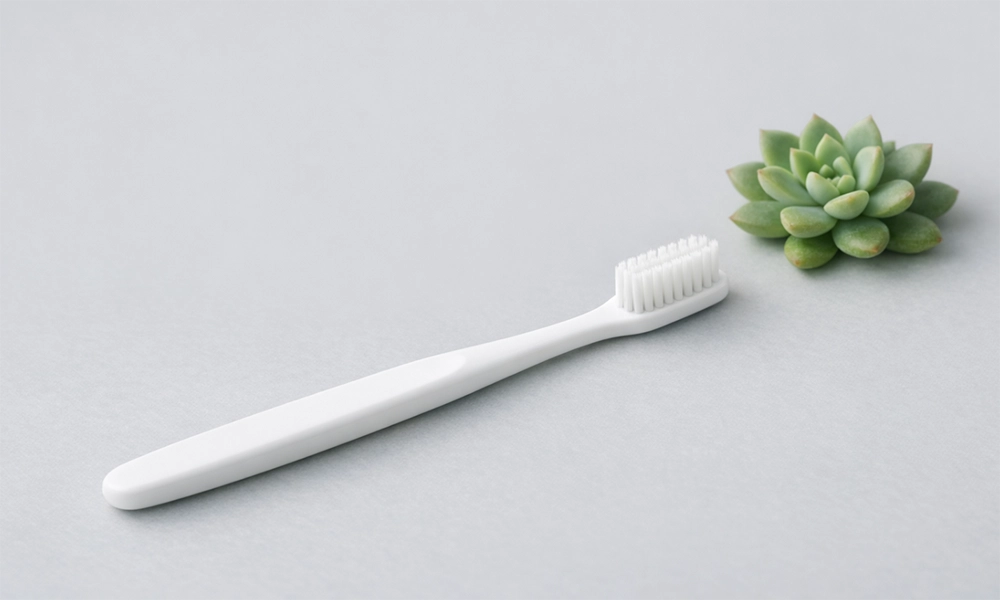
Oral health is often overlooked when considering factors that support mental health. However, maintaining good oral hygiene can have a significant impact on mental wellbeing. Issues such as gum disease and tooth decay can cause pain and discomfort, leading to stress and anxiety. Moreover, the aesthetic aspects of oral health, such as having a bright smile, can boost self-esteem and confidence, which are crucial for mental health. It’s also important to note that choosing a right orthodontist in Peoria IL plays a role in addressing some oral health issues that can affect mental wellbeing.
The connection between oral health and mental wellbeing
Good oral health practices can prevent many issues that might otherwise contribute to mental health challenges. For instance, regular brushing and flossing help prevent cavities and gum disease, which can be painful and lead to further health complications. Pain and discomfort from oral health issues can contribute to stress, impacting mental health negatively. Additionally, poor oral health can lead to social anxiety due to concerns about bad breath or the appearance of teeth, affecting one’s ability to interact confidently with others.
Conversely, mental health conditions can also affect oral health. Stress and anxiety can lead to habits such as teeth grinding or neglecting oral hygiene, which can exacerbate dental problems. This bidirectional relationship highlights the importance of addressing both oral and mental health together. By understanding and managing this connection, individuals can improve their overall health and wellbeing.
Research has increasingly shown that chronic oral health conditions can contribute to feelings of depression and social isolation. When individuals experience persistent dental pain or feel embarrassed about the appearance of their teeth, they may withdraw from social situations, avoid smiling in photographs, or decline opportunities for professional advancement. This social withdrawal can create a cycle where reduced social interaction further impacts mental health, while declining mental health makes it more difficult to maintain proper oral care routines. Breaking this cycle requires awareness of how deeply interconnected these aspects of health truly are, and taking proactive steps to address both simultaneously.
Strategies for improving oral health and mental wellbeing
Adopting good oral hygiene practices is essential for supporting mental health. Regular dental check-ups, brushing twice a day, and flossing can prevent many oral health issues that might otherwise lead to stress or anxiety. Additionally, maintaining a healthy diet rich in nutrients supports both oral and mental health by strengthening teeth and boosting mood.
Incorporating stress-reduction techniques into daily routines can also benefit oral health. Practices such as yoga, meditation, and deep-breathing exercises help reduce stress, which can prevent habits like teeth grinding. Seeking professional help for mental health issues can also provide strategies to manage stress and anxiety, further supporting oral health. Recognizing the link between oral and mental health encourages a holistic approach to wellbeing.
Creating a consistent daily routine that incorporates both oral care and mental health practices can significantly improve overall wellbeing. Setting reminders for brushing and flossing helps establish healthy habits, while scheduling time for mindfulness or physical exercise supports emotional balance. It’s also beneficial to stay hydrated throughout the day, as proper hydration supports saliva production which naturally protects teeth and gums. Building a support network of friends, family, or support groups can provide encouragement for maintaining these healthy habits. When oral care becomes part of a broader self-care routine rather than an isolated task, individuals are more likely to maintain consistency and experience the mental health benefits that come from taking care of themselves comprehensively.
Holistic approaches to maintaining overall wellbeing
Addressing both oral and mental health holistically ensures comprehensive care for the individual. Regular check-ups with healthcare providers, including dental professionals, are crucial in preventing complications related to both oral and mental health. By prioritizing self-care practices and seeking medical interventions when necessary, individuals can maintain healthier lifestyles.
Engaging in activities that promote relaxation and stress management, alongside maintaining good oral hygiene, fosters resilience against future challenges. This balanced approach supports lasting wellbeing, allowing individuals to thrive despite external pressures. By understanding and nurturing the connection between oral health and mental wellbeing, individuals can enhance their quality of life and overall health.
Integrating mental health screenings into dental visits and oral health assessments into mental health evaluations represents an emerging best practice in holistic healthcare. Healthcare providers are increasingly recognizing that patients benefit when professionals from different specialties communicate and coordinate care. For instance, dentists who notice signs of teeth grinding or neglected oral hygiene might recommend mental health resources, while therapists working with patients experiencing anxiety or depression might encourage regular dental care as part of a comprehensive treatment plan. This collaborative approach ensures that no aspect of health is overlooked and that patients receive well-rounded support. Additionally, educating oneself about the connections between various aspects of health empowers individuals to advocate for their own comprehensive care and make informed decisions about their wellbeing.
- About the Author
- Latest Posts

Our Editorial Team are writers and experts in their field. Their views and opinions may not always be the views of Wellbeing Magazine. If you are under the direction of medical supervision please speak to your doctor or therapist before following the advice and recommendations in these articles.