
How Physically Demanding Work Affects Long-Term Musculoskeletal Health
A sore shoulder after a hard shift, a stiff back on the drive home or aching wrists after a repetitive task can be easy to dismiss.
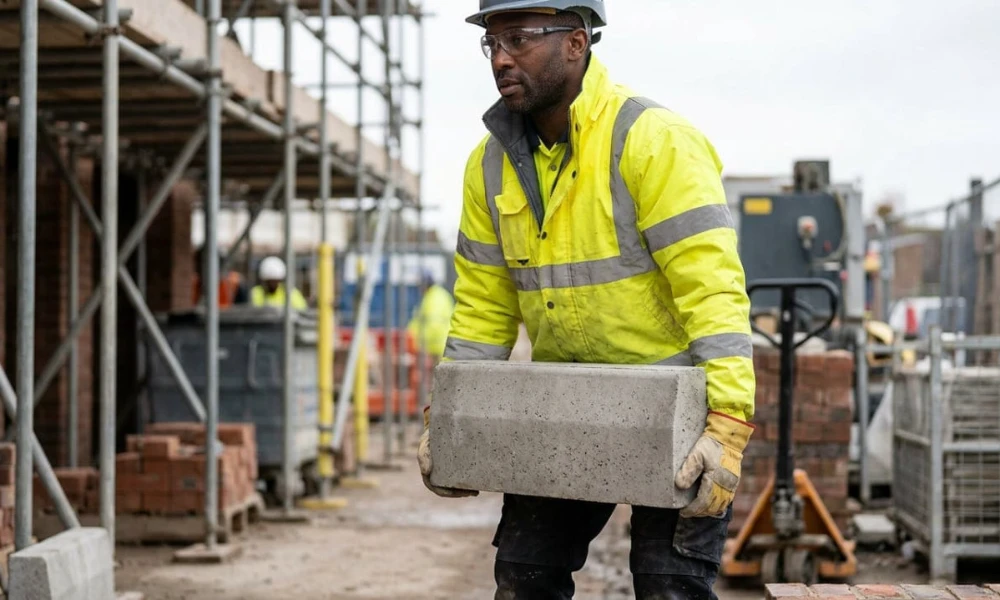
A sore shoulder after a hard shift, a stiff back on the drive home or aching wrists after a repetitive task can be easy to dismiss. Many workers simply expect physical jobs to leave them feeling worn out.
Discomfort may settle after rest, yet repeated physical strain can also develop into longer-term musculoskeletal disorders, commonly shortened to MSDs.
What Musculoskeletal Disorders Can Affect
MSDs are injuries and conditions affecting areas such as the back, neck, shoulders, arms, hands, hips, knees and other joints. Work can cause or worsen these problems, particularly where tasks involve manual handling, awkward posture or repetitive movement.
A single heavy lift can cause injury, but long-term problems may also build gradually. Reaching above shoulder height hundreds of times, twisting while carrying loads or working in a fixed posture can place repeated demand on the same tissues.
The Body Often Gives Early Clues
Persistent aching, tingling, numbness, weakness, reduced grip or stiffness are worth paying attention to. Workers sometimes push through early symptoms because the discomfort feels too minor to report. That delay can make the eventual problem harder to manage.
Early reporting gives employers a chance to look at the task before symptoms become more serious. It also helps distinguish an isolated complaint from a pattern affecting several people doing similar work.
Ergonomics Is About Fitting Work to People
Although ergonomics can sound technical, in practice it means designing work around what people can reasonably do and reducing reliance on the body adapting indefinitely to poor setup.
Tool height, reach distance, work pace, load weight, grip, repetition and recovery time can all matter. Industrial Ergonomics Training can help workers recognise common ergonomic hazards and understand safer ways to approach physically demanding tasks, while employers still need to assess and improve the work itself.
Good Handling Technique Needs Good Job Design
Technique helps, yet a badly designed task can still create risk. A load that is too heavy, a shelf that forces repeated twisting or a production rate that leaves no recovery time may remain demanding even when the worker knows good handling principles.
Employers should consider whether lifting can be avoided, whether mechanical help is available and whether the task, load and working environment can be changed. Training works best when it sits alongside those practical controls.
Physical and Screen-Based Work Can Overlap
Modern jobs are not always neatly divided into manual work and desk work. A supervisor may spend half a shift on the production floor and the rest reviewing orders, reports or maintenance records at a workstation. A facilities worker may move between physical tasks and prolonged laptop use.
Display screen work can bring a different set of ergonomic concerns. Employers who rely on regular screen use may need people who understand workstation assessment, and a DSE Assessor Course can support that role by covering posture, workstation setup and assessment principles.
Workplace Strain Needs Workplace Controls
Sleep, nutrition, general fitness and recovery habits all matter to health. They cannot compensate for avoidable workplace strain, and a stretching routine cannot make a consistently unsuitable workstation or repetitive lifting pattern safe.
A healthier approach shares responsibility: workers report symptoms and use controls correctly, while employers investigate patterns, review task design and make reasonable changes where risk is identified.
Small Changes Can Be Worth Making Early
Musculoskeletal health is rarely protected by one dramatic intervention. More often, the useful improvements are modest: changing a shelf height, rotating a repetitive task, providing a handling aid, adjusting a workstation or giving someone enough time to recover between demanding activities.
Those changes are easiest to make before pain becomes a lasting problem. The aim is work that remains sustainable over months and years, with fewer people finishing each shift sore simply because that has come to be treated as part of the job.
Look for Patterns Across the Workforce
One person reporting shoulder pain may have an individual problem. Several people doing the same task and describing the same discomfort should prompt a closer look at the work. Patterns matter because musculoskeletal risk is often easier to see across a team than in a single absence record or injury report.
Managers can compare where symptoms occur, which tasks people find most tiring and whether the same work is creating restrictions or repeated requests for help. The purpose is not to diagnose workers. It is to identify parts of the job that may be placing unnecessary demand on the body and decide whether the task needs to change.
Recovery Time Is Part of Job Design
Physical work is affected by how long a task lasts and what happens between demanding periods. Repetition becomes harder to tolerate when the same muscles are used for most of a shift with little variation. A job that is manageable for twenty minutes may feel very different when it fills several hours.
Task rotation can help in some settings, but only when the alternative task changes the physical demand. Moving a worker from one repetitive hand task to another similar one may provide little real recovery. Break arrangements, pace, staffing and production planning can all influence whether the body gets enough time away from the same movement or posture.
Sustainable Work Should Feel Sustainable
Physical jobs will still involve effort. The goal of ergonomics is not to remove every demanding movement or promise that nobody will ever feel tired after work. The practical aim is to keep avoidable strain from becoming an accepted feature of the job.
That means paying attention before discomfort becomes normal. Workers need a route to report concerns without being dismissed as unable to cope, and managers need enough information to examine the task rather than the person alone. Changes to layout, tools, workload or timing may be modest, but they can make the difference between work that people can sustain and work that gradually wears them down. Musculoskeletal health is easier to protect when the job is designed with the person in mind from the start.
Filed underInjury & recovery